Alocasia Care Indoors: Fix Elephant Ear Leaf Drop
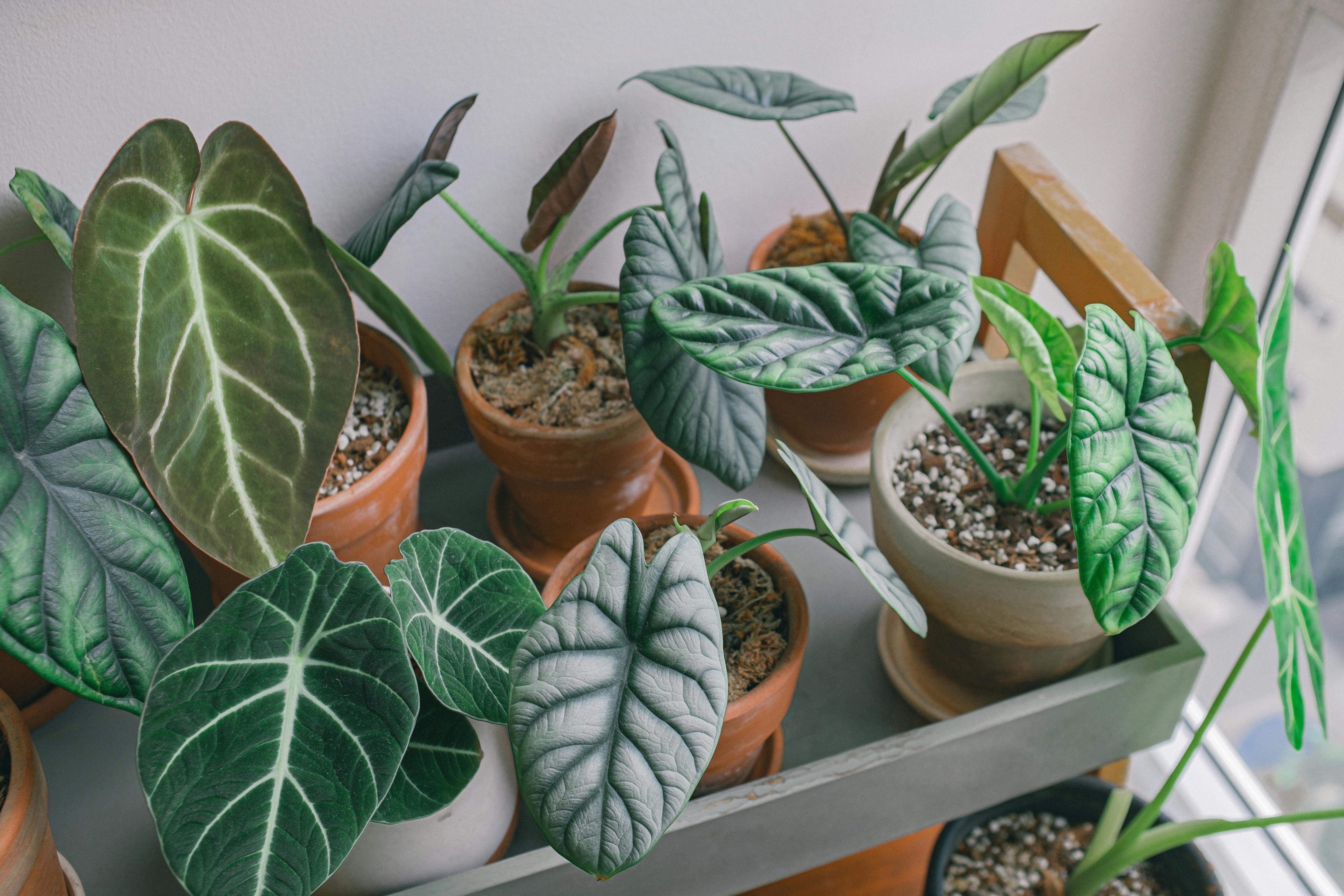
I've killed two alocasias before I figured out what they actually needed. The first was an Alocasia amazonica 'Polly' that I purchased in August — dramatic, dark green, with silver veins like lightning bolts. By October it had dropped every leaf and left me staring at a bare stalk, convinced I'd done something terribly wrong. What I hadn't understood was that alocasias are drama queens by design: they shed leaves at the slightest provocation and enter a genuine dormancy in winter that looks, to the untrained eye, exactly like death. Here's how to actually keep them alive and growing.
Why Alocasias Drop Leaves (And What's Normal)
Leaf drop in alocasias falls into two categories: normal attrition and stress response. Alocasias grow by producing new leaves from the center while older outer leaves naturally yellow and die — this is entirely normal, especially in plants that are otherwise healthy and actively growing. If your plant produces one new leaf for every old leaf it drops, it is likely cycling normally. The problem is when drop outpaces growth: multiple leaves yellowing simultaneously, no new growth emerging, and the plant reducing to fewer than two or three leaves.
Stress-triggered drop is caused by: sudden temperature changes (especially below 60°F / 15°C), drafts from air conditioning or heating vents, inconsistent watering (both drought stress and overwatering), low humidity, repotting shock, or simply being moved to a new location. Alocasias have among the lowest stress-tolerance of any popular houseplant. The Spruce's houseplant care section identifies temperature consistency as the single most important environmental factor for alocasia retention.
Light, Humidity, and Temperature: The Non-Negotiables
Alocasias need bright indirect light — similar to what filters through the forest floor in their native Southeast Asian tropical habitat. A north-facing windowsill will produce long, etiolated petioles and slow, weak growth. An east-facing window or a spot two to four feet from a south-facing window is ideal. Direct summer sun will bleach and burn their leaves; a sheer curtain provides adequate protection.
Humidity is where most indoor environments fail alocasias. They thrive at 60–80% relative humidity — far above the 30–50% typical of heated or air-conditioned North American homes. A small humidifier placed near your alocasia (not directly spraying leaves) makes the greatest practical difference. Pebble trays with water and grouping plants together help marginally. Misting is largely ineffective and can promote fungal leaf spotting. Temperature should remain consistently between 65–85°F (18–29°C); any dip below 60°F triggers dormancy or stress drop.
Watering and Soil: The Root of Most Problems
Alocasias want consistently moist soil — not wet, not dry. Unlike cacti or hoyas, they cannot tolerate significant dry-down periods between waterings. Water when the top inch of soil is dry, and ensure the pot drains freely. A chunky, well-aerated mix is essential: I use a combination of standard potting mix, perlite, and orchid bark in equal parts. This holds enough moisture while preventing the waterlogged conditions that cause root rot.
Symptoms of overwatering include yellowing leaves (especially lower ones), a sour or musty soil smell, and stem mushiness at the base. Symptoms of underwatering include drooping leaves that don't recover even after watering, and dry, crispy leaf edges. The Missouri Botanical Garden's tropical plant care guides note that alocasias are particularly sensitive to fluoride and chlorine in tap water, which can cause brown leaf tips. Using filtered water or leaving tap water out overnight helps.
Winter Dormancy: When Your Alocasia Disappears
If your alocasia drops all its leaves in late fall or winter and you cannot find a single sign of life, don't throw the pot away. Alocasias grow from corms — starchy, potato-like storage organs underground — and these corms remain viable through complete defoliation. Keep the soil very slightly moist (not wet, not bone dry) in a warm spot above 60°F (15°C) through winter, and by late February or March, new growth will typically emerge from the soil. This is a genuine survival adaptation, not plant death. Once you see a new leaf unfurling, resume normal care gradually. See our overwintering indoor plants guide for more dormancy management strategies.
To minimize the chances of dormancy, maintain consistently warm temperatures (70°F+) and use a grow light to supplement dwindling daylight hours through fall and winter. Alocasias that receive consistent bright light and warmth through winter often continue growing year-round. For troubleshooting related drooping issues across other houseplants, read our houseplant drooping diagnosis guide.
Common Mistakes to Avoid
- Placing near vents or exterior doors: The single fastest way to trigger mass leaf drop is exposing an alocasia to cold drafts or temperature fluctuations.
- Misting as a humidity solution: Misting creates wet leaf surfaces that invite fungal infection — invest in a humidifier instead.
- Watering on a schedule rather than by soil check: Soil moisture varies by season, temperature, and pot material. Always check before watering.
- Throwing away a dormant plant: A leafless alocasia in winter is almost certainly still alive. Check for a firm corm underground before discarding.
- Repotting too frequently: Alocasias need time to establish. Repot only when roots are visibly circling the bottom or emerging from drainage holes.
Quick Reference Alocasia Care Table
| Factor | Ideal Condition |
|---|---|
| Light | Bright indirect; 2–4 ft from south/east window |
| Water | Top inch dry; consistently moist, never waterlogged |
| Soil | Chunky, well-draining: potting mix + perlite + orchid bark |
| Humidity | 60–80%; humidifier strongly recommended |
| Temperature | 65–85°F (18–29°C); no below 60°F |
| Fertilizer | Balanced liquid monthly in spring/summer; none in winter |
| Repotting | When root-bound; spring only |
| Toxicity | Toxic to cats, dogs, and humans if ingested |
Frequently Asked Questions
Can alocasia survive in low light indoors?
Alocasia will survive briefly in low light but will not thrive — growth stalls, leaves lose their dramatic patterning, and the plant becomes increasingly susceptible to root rot because soil moisture evaporates more slowly in dim conditions. If your space lacks bright indirect light, consider a compact grow light. Species like Alocasia zebrina are somewhat more tolerant of lower light than 'Polly', but all varieties perform substantially better with good light.
Is my alocasia dead if it has no leaves in winter?
Almost certainly not. Gently dig a few inches into the soil and feel for a firm, dense corm — if it's present and solid (not mushy), the plant is dormant and very much alive. Keep the soil barely moist and the pot in a warm spot. Resume normal care when new growth emerges, typically late February through April in most North American indoor environments.
What is the easiest alocasia for beginners?
Alocasia zebrina and Alocasia macrorrhiza 'Stingray' are often recommended as slightly more forgiving than A. amazonica 'Polly'. A. zebrina tolerates slightly less humidity and recovers from stress more readily. However, all alocasias share the same fundamental sensitivity profile — consistent warmth, humidity, and light are non-negotiable regardless of species.
Alocasias are unquestionably demanding plants, but once you understand their language — and stop mistaking dormancy for death — they become some of the most spectacular foliage plants you can grow indoors. Start with stable conditions before experimenting with varieties, and you'll be rewarded with leaves that genuinely stop visitors in their tracks. Drop your biggest alocasia question in the comments below.
About the Author
Sage Avery is a passionate gardener and plant enthusiast sharing tips for a greener life.