Whether you're trying to keep a pothos from yellowing, work out why a
peace lily keeps drooping, choose the right soil for a monstera, or plan
a small companion bed, Plant Companion Guide is built around practical
decisions. The goal is not to make plant care sound perfect. The goal is
to help you notice what your plant is telling you and choose the next
step with more confidence.
Our articles focus on the details that change outcomes in real homes:
light direction, soil dry-down time, pot size, drainage, humidity, pest
checks, pruning, propagation, and seasonal changes. You will find plenty
of beginner-friendly guides here, but the advice is written for people
who want to understand the reason behind the fix.
Popular Categories
Indoor Plants
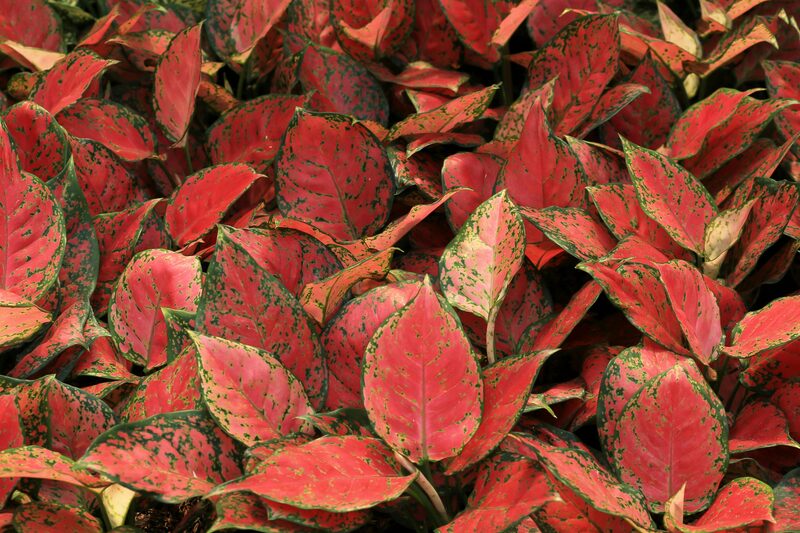
Aglaonema Care: The Pink Houseplant That Tolerated My Worst
Lighting Corner
I have a corner in my living room that I have always thought of as
a dead zone for plants, eight feet from the nearest window,
north-facing, no supplemental light...
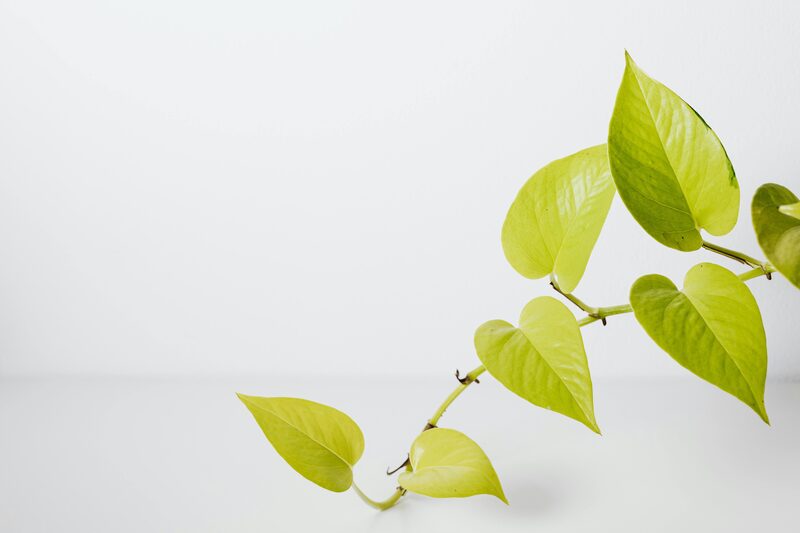
Pothos Yellow Leaves: 7 Causes I've Diagnosed and Exactly How to
Fix Each
When I see yellow leaves on a pothos, I run through this sequence
before taking any action. First, I check the soil at two-inch
depth, wet means overwatering suspects...
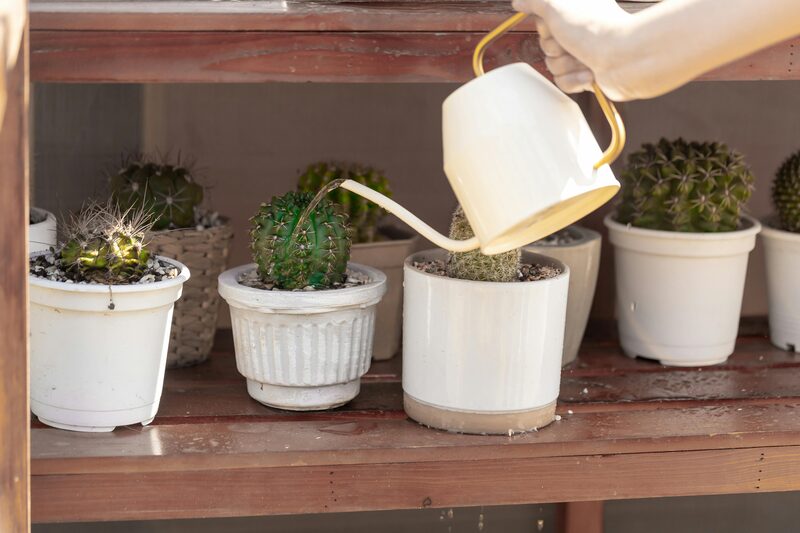
Overwatering vs Underwatering: The Diagnostic Chart I Use With
Every Plant
The most expensive mistake I made in my first year of keeping
houseplants was treating an overwatered pothos as if it were
underwatered. The leaves drooped, which I interpreted as thirst...
Start with the symptom in front of you, then narrow the likely
causes before you water, repot, prune, fertilize, or treat pests.
♻️
Real growing context
We explain how light, containers, soil, humidity, and season affect
the same plant differently from one home to another.
🤝
Accountable updates
Every guide links back to our editorial standards, and readers can
send corrections or plant details through the contact page.
How Our Plant Advice Is Built
Plant Companion Guide starts with observable symptoms before it suggests
a fix. A yellow leaf, a soft stem, compacted soil, or a pest mark can
mean different things depending on light, season, pot size, watering
history, and the plant's natural growth habit. Our guides are written to
slow that moment down so you can check the evidence before changing care.
We prioritize practical, repeatable steps: feel the soil at root depth,
check the newest growth, compare leaf texture, inspect undersides, look
at drainage, and watch what changes after one adjustment. When a topic
benefits from outside context, we point readers to extension resources,
botanical gardens, plant toxicity databases, or other reputable plant
care references.
The site is especially focused on indoor plant owners, renters, balcony
gardeners, and beginners who want plain explanations without being
talked down to. For transparency, each article connects back to the
author profile and editorial policy, and readers can send corrections or
real plant details through the contact page.
We use cookies to personalise content, serve ads, and analyse traffic.
By clicking Accept All you consent to our use of cookies,
including advertising partner cookies.
Learn more.