Overwatering vs Underwatering: The Diagnostic Chart I Use With Every Plant
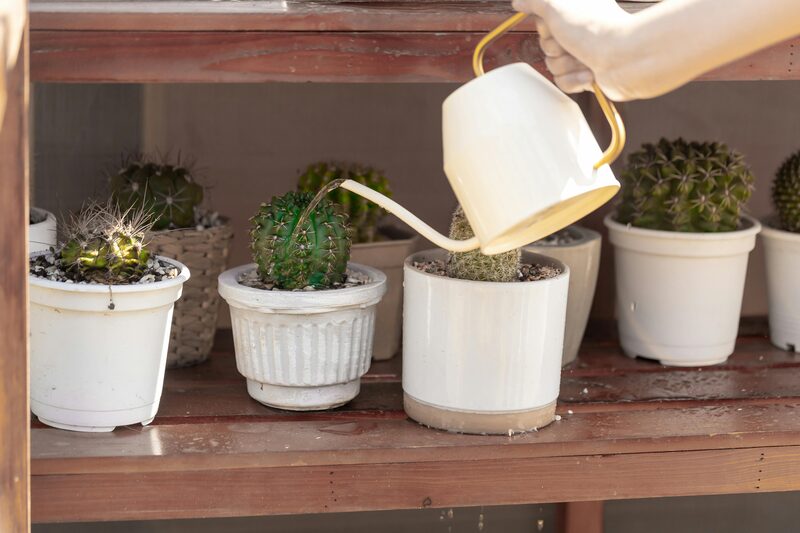
The most expensive mistake I made in my first year of keeping houseplants was treating an overwatered pothos as if it were underwatered. The leaves drooped, which I interpreted as thirst, so I watered more, and the plant collapsed two weeks later with completely rotted roots. That confusion, the drooping leaves that look identical whether the plant has too much or too little water, is the reason I developed a diagnostic process I now run before touching the watering can. After four years of applying it across every plant in my collection, I can tell overwatering from underwatering in under two minutes, on any species, without guessing. Here is the entire process.
Why Overwatering and Underwatering Produce Such Similar Symptoms
The overlap in symptoms between overwatering and underwatering is not a coincidence, it reflects a shared root cause. In both cases, the plant's root system is failing to deliver adequate water to the leaves and stems. When a plant is underwatered, the failure is obvious: there is no water available for the roots to absorb. When a plant is overwatered, the failure is less intuitive: the soil is saturated with water, but the roots are suffocating in anaerobic (oxygen-deprived) conditions and are physically incapable of absorbing or transporting that water to the rest of the plant.
The result in both cases is the same at the cellular level, leaf cells lose turgor pressure and the plant wilts. Yellow leaves, drooping stems, and slowed growth are symptoms of cellular water deficit, not of whether the soil is wet or dry. This is why checking the plant's appearance without checking the soil is unreliable, the leaves cannot tell you which problem they are experiencing. The soil, the roots, and the pot weight can. According to University of Minnesota Extension's houseplant troubleshooting resources, overwatering is the most frequently misdiagnosed houseplant problem precisely because the primary visible symptom, wilting, triggers an instinct to add water, which is the correct response to only one of the two possible underlying causes.
The 5-Step Diagnostic Process I Use Before Every Watering Decision
- Check soil depth: Push a finger or bamboo chopstick two full inches into the soil. If it comes out with damp soil clinging to it, do not water, moisture is present at root depth regardless of the surface. If it comes out clean and dry, watering may be appropriate depending on what the remaining steps reveal.
- Lift the pot: Pick up the pot and assess its weight relative to its size. A pot that feels heavier than expected for its size contains significant moisture, the water weight is retained in the soil. A pot that feels surprisingly light is likely dry throughout. This step is particularly useful for pots where the soil surface appears dry but the interior may still be moist.
- Examine leaf texture: Gently pinch a drooping or yellowing leaf between two fingers. Soft, slightly mushy, or easily torn leaf tissue suggests overwatering, the cells have expanded with excess water or begun to break down. Dry, papery, or crisp leaf tissue that crumbles slightly at the edges suggests underwatering, the cells have desiccated. This distinction is the most diagnostic single observation in the process.
- Examine the soil surface and pot edges: Dry soil pulls away from the edges of the pot, creating a visible gap, a clear sign of underwatering and sometimes of hydrophobic soil that repels water. A wet or glistening soil surface that smells earthy-sour rather than fresh indicates chronic overwatering with potential anaerobic conditions beginning to develop.
- Check the roots (if symptoms are severe): If the above steps don't provide a clear answer, gently unpot the plant. Healthy roots are white or light tan, firm, and resist gentle pressure. Overwatered roots are brown to black, soft or mushy, and may have a foul odor. Underwatered roots are dry, brittle, and may appear shrunken or pulled away from the soil mass.
Running through steps 1 through 4 takes approximately 90 seconds and resolves the diagnosis in the vast majority of cases. Step 5 is reserved for plants showing severe or persistent symptoms that the first four steps don't clarify. According to Clemson University's HGIC houseplant care resources, a simple soil moisture check at two-inch depth prevents the overwatering errors that cause the majority of indoor plant failures, and the observation that growers who implement this check before every watering dramatically reduce their plant loss rate compared to those who water on a fixed calendar schedule.
Overwatering: The Complete Symptom Picture
Overwatering produces a symptom cluster that, once you know what to look for, is distinct from underwatering despite the superficial similarity of wilting. The leaves are soft and slightly yellowing rather than dry and papery, yellow coloring that starts at the base of the plant rather than at leaf tips, and extends uniformly across the leaf rather than crisping from the margins inward. The soil surface may show green algae growth, a sign of consistently wet conditions. Fungus gnats flying around the soil are a near-certain indicator of chronically moist soil, because their larvae require wet organic matter to develop. The pot is heavier than expected. The stems may feel soft near the soil line rather than firm.
In advanced overwatering, root rot develops, the roots turn brown, mushy, and hollow, and the plant wilts despite the soil being saturated. At this stage the yellowing accelerates, leaves drop without drying out first, and the stem may develop dark or sunken patches at the soil line. If you observe this combination, check the root zone immediately, root rot caught early (at least one-third of roots still white and firm) is often survivable with prompt intervention. Our detailed companion post on overwatered plant symptoms and recovery covers the root rot intervention process in full. Recovery from overwatering without root rot requires simply withholding water and improving drainage conditions; the plant typically stabilizes within two to three weeks once the soil dries out fully and root function is restored.
Underwatering: The Complete Symptom Picture
Underwatering produces a distinct set of symptoms that cross-reference reliably against the diagnostic process. The drooping is more uniform and rapid, the entire plant wilts simultaneously rather than showing progressive decline from lower leaves upward. Leaves feel dry and slightly papery rather than soft. Leaf tips and edges brown and crisp before any yellowing develops (the opposite sequence from overwatering, where yellowing typically precedes browning). The soil is bone dry at depth and pulling away from the pot edges. The pot feels very light. Leaf curl, the leaf blade folding inward along its midrib, is a common early response to water stress in many species, particularly pothos, calathea, and rubber plants, and is distinctly associated with underwatering rather than overwatering.
Recovery from underwatering is typically faster and more complete than from overwatering. Water the plant thoroughly and most species will show visible improvement within two to eight hours as cells rehydrate. If the soil has become hydrophobic from complete drying, water beads on the surface and runs through the pot without absorbing, place the entire pot in a bucket of room-temperature water for 20-30 minutes to re-wet the medium uniformly. Leaves that have already turned crispy or papery will not recover, but firm leaf tissue that was drooping typically rebounds fully. For more on the specific leaf symptoms that accompany underwatering across different plant types, the guide to why houseplant leaves turn yellow covers the distinction between drought-stress yellowing and overwatering yellowing with additional examples. According to Missouri Botanical Garden's houseplant watering resources, the majority of houseplant species recover from a single significant underwatering event without permanent damage, while a single episode of severe overwatering producing root rot can set a plant back by months.
Common Mistakes
- Watering when leaves droop without checking the soil first: Drooping is caused by root failure to deliver water in both overwatering and underwatering. Adding water to an already-saturated plant accelerates root rot. The soil check must come before any watering decision.
- Watering on a fixed weekly calendar: Plants in different pot sizes, soil types, light levels, and seasons need water at different intervals. A calendar treats all plants and all conditions as identical. Soil moisture at depth is the only reliable guide.
- Concluding underwatering from a dry soil surface: The top half-inch of soil dries far faster than the root zone. A dry surface with moist soil at two inches means no watering is needed, checking depth is critical.
- Overcompensating after identifying underwatering: A plant that was underwatered needs one thorough watering, not multiple compensatory waterings over the following few days. Over-correction from drought directly into overwatering conditions is a very common failure pattern.
- Removing all yellow leaves before diagnosing: Yellowing distribution, base leaves vs. distributed across the plant, is one of the diagnostic indicators. Removing leaves before assessing the pattern removes evidence needed for accurate diagnosis.
- Assuming the same problem always applies to the same plant: A plant that was previously overwatered may shift to underwatering in summer when heat and light increase its water demand significantly. Run the diagnostic fresh each time rather than defaulting to the previous diagnosis.
Quick Reference Diagnostic Table
| Diagnostic Check | Overwatering Signs | Underwatering Signs |
|---|---|---|
| Soil at 2-inch depth | Damp or wet; may smell sour | Bone dry; may pull from pot edges |
| Pot weight | Heavier than expected | Surprisingly light |
| Leaf texture when drooping | Soft, slightly mushy, easy to tear | Dry, papery, crisp at margins |
| Yellowing pattern | Base leaves first; uniform yellow spreading upward | Tips and margins crisp brown before yellowing |
| Soil surface | Wet or glistening; possible algae or fungus gnats | Cracked or pulling away from pot walls |
| Root appearance (if checked) | Brown or black, soft, mushy, possible foul odor | Dry, brittle, possibly shrunken |
| Recovery after watering | Does not improve; may worsen | Improves within 2-8 hours |
Frequently Asked Questions
Can a plant show symptoms of both overwatering and underwatering at the same time?
Yes, and this is more common than most guides acknowledge. A plant in very dense, moisture-retentive soil can have waterlogged lower soil while the surface dries quickly, the roots in the wet zone suffer from anaerobic stress while the plant's upper root system is underserved. Additionally, root rot from previous overwatering can damage enough of the root system that the plant cannot absorb water even when soil moisture is adequate, producing underwatering symptoms despite normal watering frequency. In these cases, fixing the soil mix and pot drainage resolves both issues simultaneously.
How long does it take a plant to recover from overwatering?
Recovery from overwatering without root rot typically takes two to four weeks after the soil fully dries out and normal watering resumes. During this period, growth may stall, existing yellow leaves will not recover, and the plant may drop one or two additional leaves as it reallocates resources. Recovery from root rot depends on how much healthy root mass remains: a plant with one-third or more of its roots still white and firm typically stabilizes within four to eight weeks after repotting in fresh mix; a plant with less than one-quarter healthy roots has a lower survival probability and recovery may take several months if successful.
Is it better to err toward overwatering or underwatering if I'm unsure?
For the vast majority of houseplants, including succulents, tropical aroids, ferns, and most common foliage plants, erring toward underwatering is significantly safer than erring toward overwatering. Most houseplants have some degree of drought tolerance built into their biology, while waterlogged root conditions rapidly become anaerobic and begin the root rot process within days in warm temperatures. The practical rule I apply: when uncertain, wait two more days and check again. A plant that genuinely needed water yesterday will survive two more days. A plant that is watered when it didn't need it is one step closer to root rot.
Once this diagnostic process becomes a habit, ninety seconds before every watering decision, overwatering and underwatering mistakes effectively stop happening. The information is right there in the soil and the pot; it just needs to be checked consistently. If you want help with your exact setup, send the plant name, light, pot size, and recent watering notes through the contact page.

About the Author
Written by Sage Avery, a plant care writer at Plant Companion Guide. For how we create and update content, see our editorial policy.