Aglaonema Care: The Pink Houseplant That Tolerated My Worst Lighting Corner
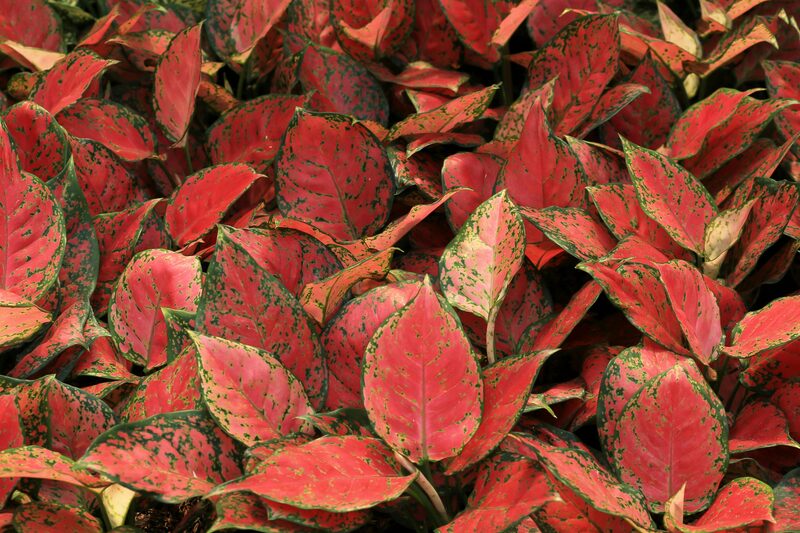
I have a corner in my living room that I have always thought of as a dead zone for plants, eight feet from the nearest window, north-facing, no supplemental light. Every plant I'd tried there had limped along for a few months and then quietly declined. The aglaonema 'Silver Bay' I placed there as an experiment two and a half years ago has not just survived, it has pushed new growth consistently, maintained its silver-green patterning, and asked for almost nothing in return. That success sent me down a rabbit hole of Aglaonema cultivars, and I now grow seven different varieties ranging from the very forgiving green-leaved types to the more demanding 'Red Siam' and 'Creta' that require proper bright indirect light to hold their color. This guide covers what I've learned across the full spectrum.
Green vs. Pink vs. Red: Light Requirements Are Not the Same Across Cultivars
The single most important thing to understand about aglaonemas before buying one is that light requirements are directly correlated with leaf color intensity. The rule is consistent across dozens of cultivars I've researched and tested: the more red, pink, or orange pigmentation in the leaves, the more light the plant needs to maintain that coloring. Green-and-silver cultivars, 'Silver Bay', 'Maria', 'Cutlass', 'Emerald Beauty', are genuinely low-light tolerant and can thrive in the conditions I described above, eight feet from a north-facing window or under overhead office fluorescent lighting. Bright indirect light is not required; consistent ambient light is sufficient.
Pink and red varieties, 'Red Siam', 'Siam Aurora', 'Pink Dalmation', 'Creta', 'Harlequin', are a different proposition. In low light, the colorful pigmentation fades progressively as the plant increases its chlorophyll production to compensate for reduced light availability. Within a few months in a dim corner, 'Red Siam' reverts to a mostly green plant with only hints of the red coloring that made it attractive at purchase. To maintain vivid red and pink coloring, these varieties need a spot within three to four feet of an east- or west-facing window, or within two feet of a south-facing window with a sheer curtain. According to University of Minnesota Extension's houseplant care guidance, the relationship between light intensity and anthocyanin (red pigment) production is consistent across many tropical foliage plants, inadequate light physically cannot maintain red and pink tones regardless of other care quality.
Watering, Soil, and the Conditions That Lead to Root Rot
Aglaonemas are more tolerant of imperfect watering than most tropical houseplants, but that tolerance has limits, particularly at the wet end. I water when the top two inches of soil are dry, which in a standard potting mix in a 6-inch pot in moderate indirect light lands on roughly every ten to fourteen days in summer. In winter, I stretch that to every eighteen to twenty-five days. The plant tolerates brief drought without drama, a slightly drooping leaf will recover within hours of watering, but sustained overwatering causes root rot that progresses invisibly until the plant suddenly collapses.
Standard all-purpose potting mix works adequately for aglaonema, but I've added perlite (roughly one part perlite to three parts mix) to improve drainage and reduce the window between waterings when moisture can damage roots. I use plastic or glazed ceramic pots rather than terra cotta, aglaonema actually benefits from soil that retains some moisture, unlike succulents, and terra cotta dries out faster than this plant's root system appreciates. The pot must have drainage holes; there are no exceptions to this for any houseplant I grow.
Fluoride sensitivity is a real issue with aglaonema. Brown leaf tips, distinct from the brown margins caused by low humidity, are often the result of fluoride accumulating in leaf tissue from tap water over months of regular watering. I switched to filtered water for my aglaonemas about eighteen months ago and new growth since then has come in clean to the tips. If tap water is your only option, allowing it to sit out overnight reduces chlorine (though not fluoride) and improves the situation somewhat.
Temperature, Drafts, and the Cold-Damage Problem
Aglaonemas are among the more cold-sensitive of common houseplants, a characteristic many guides understate. Below 60°F (15°C), the plant begins showing cold stress: water-soaked, dark patches appear on the leaves, and the margins may blacken within days of sustained exposure to cold drafts. I learned this during a winter when my 'Maria' sat near a single-pane window where nighttime temperatures at the glass surface dropped to around 55°F. The plant lost six leaves over two weeks and took two months to recover after I moved it.
The practical implication: in winter, keep aglaonemas at least two feet away from cold window glass, air conditioning vents, and exterior doors. The ideal temperature range is 65-85°F (18-30°C) year-round. If your home drops significantly below that at night, common in older homes or apartments with poor insulation, moving the plant to an interior wall or a warmer room for the coldest months is worth the disruption. Our collection of 15 best low-light plants includes several cold-tolerant alternatives to consider for drafty spots, and the peace lily care guide covers similar cold-sensitivity management for another common tropical that shares this vulnerability.
Fertilizing, Repotting, and Managing Pests
Aglaonemas are slow to moderate growers and do not need aggressive fertilizing. I apply a balanced liquid fertilizer at half strength once a month from April through August, then stop entirely for the rest of the year. Over-fertilizing causes salt buildup in the soil that manifests as brown leaf tips, identical in appearance to fluoride damage, so I flush the soil with plain water in early spring before resuming the season's fertilizing schedule.
Repotting is needed every two to three years, or when roots emerge from the drainage holes. I go up just one pot size, aglaonemas grow more slowly when root space is ample, and an oversized pot holds moisture too long for the root system's volume. Spring is the best repotting window; avoid disturbing roots in winter. Spider mites are the most common pest, particularly during dry winter months, and are most easily caught early by examining the leaf undersides weekly. A neem oil solution applied to all leaf surfaces at the first sign of fine webbing or stippling is effective when applied consistently every five to seven days for three treatments. According to Missouri Botanical Garden's houseplant pest resources, early intervention is substantially more effective than treating an established spider mite population, which can develop resistance to contact treatments when it has been allowed to cycle through multiple generations.
Warning: All Aglaonema species are toxic to cats and dogs, causing oral irritation, drooling, and gastrointestinal distress if ingested, per the ASPCA's toxic plant database. Keep out of reach of pets.
Common Mistakes
- Buying a pink or red variety for a low-light space: Colorful cultivars require bright indirect light to maintain their pigmentation. In dim conditions, they revert to green, still healthy, but not the plant you bought.
- Overwatering in winter: Growth slows significantly in low light and cool temperatures. Soil moisture lingers far longer than in summer, and the same watering frequency that works in July will cause root rot by December.
- Placing near cold windows or drafts: Cold air below 60°F causes water-soaked leaf patches and blackened margins within days. This damage is permanent, affected leaves will not recover.
- Using tap water exclusively long-term: Fluoride accumulates in leaf tissue and causes brown tips that are often misdiagnosed as underwatering. Filtered water is worth the switch for long-term leaf quality.
- Never wiping the leaves: Dust accumulation on aglaonema's broad leaves reduces light absorption measurably. Wipe monthly with a damp cloth to maintain maximum photosynthetic efficiency.
- Ignoring early spider mite signs: Inspect leaf undersides weekly in winter, when low humidity creates ideal mite conditions. A small infestation is manageable; a heavy one requires much more aggressive treatment.
Quick Reference Care Table
| Factor | Green/Silver Varieties | Pink/Red Varieties |
|---|---|---|
| Light | Low to medium indirect; tolerates fluorescent | Bright indirect; 3-4 ft from east or west window |
| Water | When top 2 inches dry; every 10-25 days | Same watering rhythm; slightly faster drying in brighter light |
| Temperature | 65-85°F; keep above 60°F at all times | Same; even more sensitive to cold drafts near bright windows |
| Humidity | 40-60%; tolerates household average | 40-60%; higher preferred to maintain leaf color intensity |
| Fertilizer | Half-strength balanced, monthly Apr-Aug | Same; avoid over-fertilizing which fades variegation |
| Toxicity | Toxic to cats and dogs | Toxic to cats and dogs |
Frequently Asked Questions
Why are the tips of my aglaonema leaves turning brown?
Brown tips on aglaonema most commonly result from one of three causes: fluoride accumulation in leaf tissue from tap water use over many months, low humidity during winter heating season, or fertilizer salt buildup in the soil. Check which applies by examining new growth, if new leaves also develop brown tips quickly, fluoride or salt is the likely cause. If only older leaves show tips and new growth is clean, low humidity is the more probable culprit. Switching to filtered water and flushing the soil in spring addresses all three over time.
Can I grow aglaonema in a room with no windows?
Green and silver-patterned cultivars can survive and grow slowly under consistent overhead artificial lighting, they are among the few houseplants that tolerate this condition. Standard office fluorescent lighting provides roughly 200-500 foot-candles, which is within the survival range for 'Maria', 'Silver Bay', and similar low-light cultivars. However, no aglaonema will truly thrive without any natural light or a dedicated full-spectrum grow light supplementing the artificial lighting. For windowless rooms, I recommend a full-spectrum LED panel on a 12-hour timer positioned 12-18 inches above the foliage.
How do I make my aglaonema bushier?
Aglaonemas naturally grow as a single crown but can be encouraged to become bushier by pruning the central growing tip, which redirects energy into lateral shoots. Use sterilized scissors to cut the main stem just above a leaf node. This works most reliably in spring and early summer when the plant is in active growth. The cut stem can be rooted in water or moist perlite as a cutting. Within four to six weeks of pruning, new lateral growth typically emerges from buds below the cut, eventually creating a fuller, multi-stemmed plant.
Two and a half years in, my 'Silver Bay' is still doing exactly what it was doing when I placed it in that difficult corner, growing slowly, looking good, and asking for almost nothing. That is the real promise of the green-variety aglaonema for difficult spaces. If you want help with your exact setup, send the plant name, light, pot size, and recent watering notes through the contact page.

About the Author
Written by Sage Avery, a plant care writer at Plant Companion Guide. For how we create and update content, see our editorial policy.