Begonia Care Indoors: Grow Blooming and Foliage Types
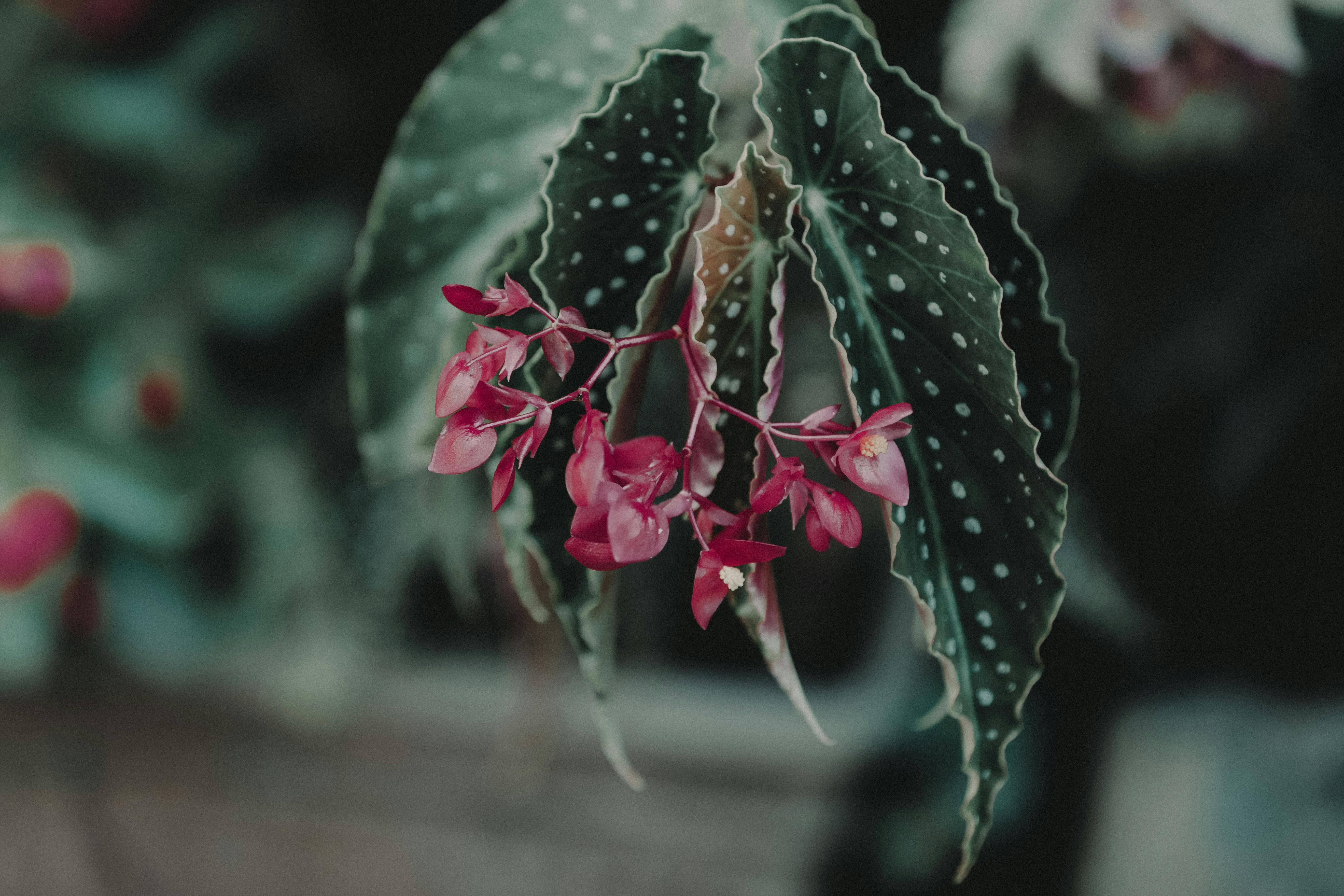
My first rex begonia — a 'Escargot' with spiral leaves patterned like a snail shell — lasted approximately three weeks before it collapsed into a powdery, mildew-spotted heap. I'd misted it daily, thinking humidity was the solution, and inadvertently created the perfect environment for botrytis. The second rex I tried, armed with a small humidifier and a strict no-misting policy, thrived for two years and produced new leaves monthly. Begonias are a genuinely diverse genus with over 2,000 species, and the care nuances vary meaningfully between groups — understanding which type you're growing is step one.
Understanding Begonia Types and Their Different Needs
The begonias commonly grown indoors fall into several groups with different light and care requirements. Rex begonias (Begonia rex-cultorum) are foliage plants grown for their dramatic, often metallic-patterned leaves; they need bright indirect light, high humidity, and excellent air circulation — they're the most sensitive to root rot and powdery mildew. Cane begonias (angel wing types like Begonia maculata) grow upright on bamboo-like cane stems, tolerate more direct light, and produce clusters of flowers reliably indoors. Wax begonias (Begonia semperflorens) are the compact, perpetually blooming type used in outdoor bedding, but they also thrive indoors in a bright window. Rhizomatous begonias (like eyelash begonias) grow from a creeping stem at soil level and prefer intermediate conditions between rex and cane types.
According to Missouri Botanical Garden's begonia resources, there are over 2,000 described Begonia species with remarkable variation in habitat preferences, making genus-wide care advice necessarily incomplete — type-specific guidance is essential.
Light for Indoor Begonias
Most indoor begonias want bright indirect light. Cane begonias and wax begonias appreciate some gentle direct morning sun through an east window — this promotes flowering in cane types, which produce their characteristic dangling flower clusters most prolifically with some direct light. Rex and rhizomatous types need bright indirect light but are more sensitive to direct sun, which causes bleached patches on their intricate foliage. North windows are generally insufficient for flowering and result in leggy growth; aim for east or a sheer-curtained south window.
In winter in USDA Zones 3–6, when ambient light diminishes, a grow light supplementing natural light for an additional four to six hours daily helps both foliage and flowering begonias maintain active growth through the darker months. Gardening Know How's begonia care resources note that cane begonias are among the most rewarding indoor flowering plants when given adequate light.
Watering, Humidity, and Avoiding Powdery Mildew
Begonias are particularly susceptible to two problems caused by improper moisture management: root rot from overwatering and powdery mildew from wet foliage combined with poor air circulation. Water begonias when the top inch of soil has dried, using room-temperature water applied to the soil surface — never on the leaves. Rex begonias in particular collapse rapidly when their thick rhizomes remain wet; allow the soil to dry slightly more between waterings for this group.
Humidity helps begonias but must be delivered without wetting leaves. A humidifier positioned nearby (not directly spraying foliage) or a pebble tray with water provides ambient humidity without misting-related disease risks. Ensure good air circulation — don't crowd begonias against walls or other plants where airflow is restricted. If powdery mildew appears (white powdery coating on leaf surfaces), remove affected leaves immediately, improve air circulation, and treat with a diluted neem oil solution applied to dry leaves. See our guide to diagnosing plant leaf problems for more on fungal issues.
Propagating Begonias Easily
Begonias are among the easiest houseplants to propagate. Cane begonias root readily from stem cuttings placed in water or moist potting mix — a three-to-four-inch cutting below a leaf node roots in two to three weeks. Rex begonias can be propagated from leaf cuttings: cut a healthy leaf into sections, each containing a main vein, press the cut sections into moist mix with the vein in contact with the soil, and new plantlets develop from the vein within four to six weeks. This leaf-section propagation method is unique to begonias and a few other genera and produces multiple plants from a single leaf. For more propagation techniques, see our guide to propagating by division.
Rhizomatous begonias can be divided at the rhizome, with each section producing a new plant. Always use clean, sharp tools and allow cut surfaces to callous briefly before placing in rooting medium to reduce rot risk. According to The Spruce's propagation resources, begonia leaf-section cuttings have a success rate approaching 80–90% when kept in high humidity and appropriate temperature.
Common Mistakes to Avoid
- Misting foliage: Wet leaves on begonias almost guarantee powdery mildew. Use a humidifier or pebble tray instead.
- Overwatering rex begonias: Rex begonias have thick rhizomes that rot quickly in consistently wet soil. Allow the soil to approach dryness before rewatering.
- Placing in direct afternoon sun: Most indoor begonias burn in direct afternoon sun. Morning sun or bright indirect light is the target.
- Poor air circulation: Stagnant air around begonias promotes fungal disease. A gentle fan or adequate spacing helps significantly.
- Not deadheading flowering types: Removing spent flowers on wax and cane begonias prevents energy loss and encourages continuous blooming.
Quick Reference Begonia Care Table
| Type | Light | Water Tolerance | Key Concern |
|---|---|---|---|
| Rex begonia | Bright indirect | Moderate; sensitive to overwatering | Powdery mildew, root rot |
| Cane (angel wing) | Bright indirect + morning sun | Moderate; let top inch dry | Leggy growth in low light |
| Wax begonia | Bright indirect to full sun | Moderate; water regularly | Overwatering in winter |
| Rhizomatous | Moderate to bright indirect | Low; drought-tolerant rhizomes | Rot if overwatered |
Frequently Asked Questions
Why is my cane begonia dropping its leaves?
Leaf drop in cane begonias most commonly indicates either insufficient light (especially in winter), cold drafts, or significant changes in their environment after being moved. Cane begonias that have been outside through summer and brought indoors in fall often drop leaves as they acclimatize. Provide bright indirect light, stable temperatures above 60°F (15°C), and consistent watering, and the plant typically stabilizes within four to six weeks of a location change.
How do I get my begonia to bloom more?
Increased light is the primary bloom trigger for most indoor begonias. Moving the plant to a brighter location — or adding a few hours of grow light supplementation — typically increases flowering significantly within four to six weeks. Deadheading spent flowers prevents the plant from redirecting energy to seed production and promotes continuous bloom. A fertilizer higher in phosphorus (the middle number in the N-P-K ratio) supports flower production over vegetative growth when applied monthly during the growing season.
Are begonias toxic to pets?
Yes. All parts of Begonia species are toxic to cats and dogs, with the tubers and roots being most toxic. Ingestion causes vomiting, excessive salivation, and difficulty swallowing. Keep begonias out of reach of pets. The level of toxicity is generally moderate — serious illness requires ingestion of larger quantities — but caution is warranted for households with cats or dogs that chew plants regularly.
Begonias reward attention to their specific type and conditions with some of the most dramatic foliage and prolific blooming available in the indoor plant world. Once you stop misting and start humidifying, most of the common problems resolve on their own. Drop your begonia challenges in the comments below.

About the Author
Sage Avery is a passionate gardener and plant enthusiast sharing tips for a greener life.