Best Bedroom Plants: Science, Sleep, and Air Quality
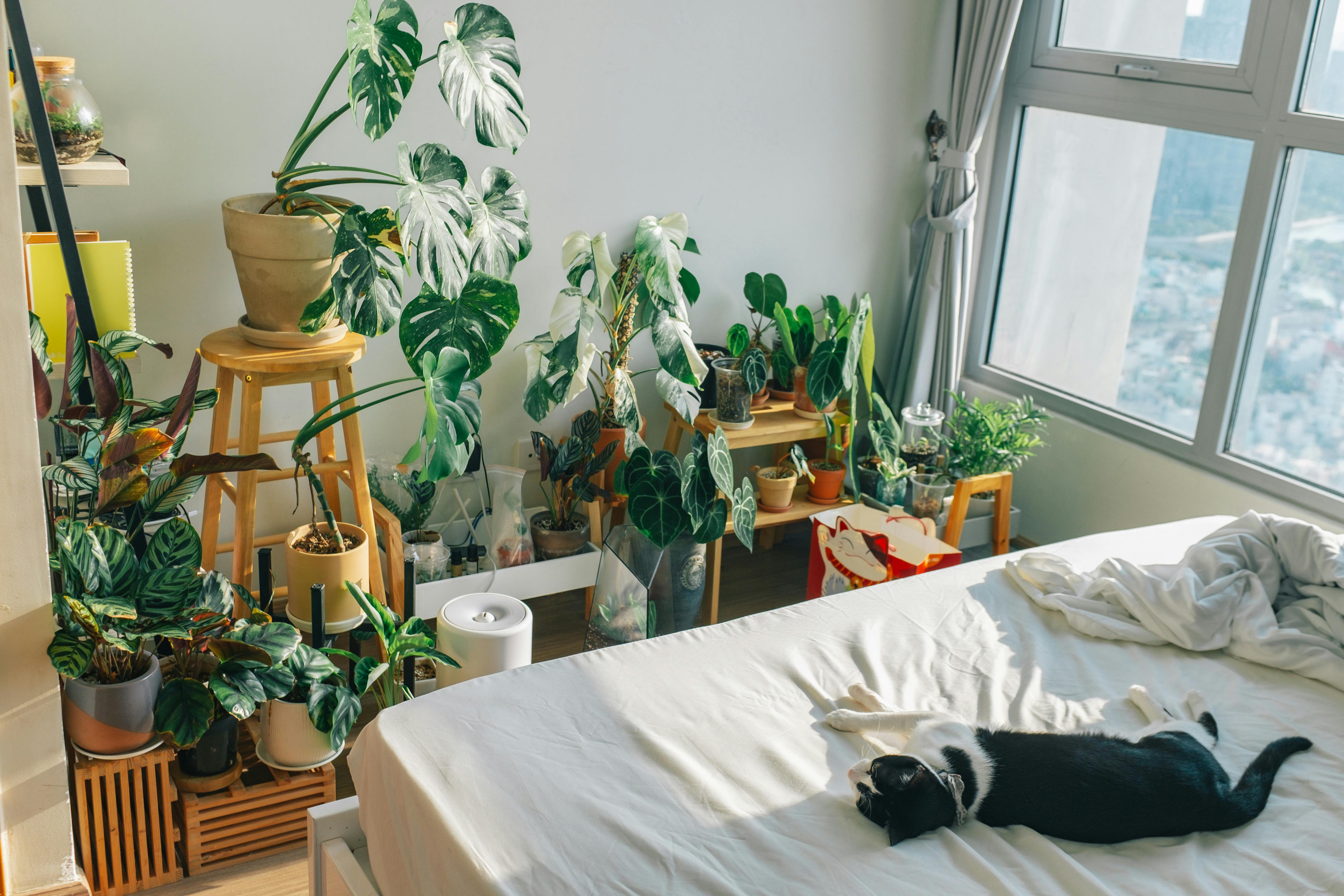
The idea that a bedroom plant will measurably improve your sleep and scrub the air while you rest is enormously appealing — and frequently overstated. Before filling your nightstand with pothos and snake plants, it's worth looking at what the science actually says, what the realistic benefits of bedroom plants are, and which varieties are genuinely suited to the conditions most bedrooms offer.
What NASA's Clean Air Study Actually Found
The famous 1989 NASA clean air study is frequently cited as proof that houseplants remove harmful VOCs (volatile organic compounds) from indoor air. What the study actually demonstrated was that plants removed certain chemicals — benzene, formaldehyde, trichloroethylene — in sealed test chambers over 24 hours. The scale of plant coverage in those chambers was far greater than anyone would maintain in a bedroom, and the chambers had no air exchange with the outside world. In a real home with normal ventilation, the effect is dramatically smaller. A 2019 meta-analysis in the Journal of Exposure Science & Environmental Epidemiology concluded that you would need 10–1,000 plants per square meter of floor space to match what a typical HVAC air exchange achieves in one hour. That's not a bedroom — that's a greenhouse.
This doesn't mean plants are useless indoors. They increase humidity slightly, which can be genuinely beneficial in dry climates or during heated winters. They reduce psychological stress — multiple studies show that simply being in view of plants lowers cortisol. And the act of tending plants is a proven mindfulness practice. The benefits are real; they just aren't the dramatic air-filtration effect marketing materials suggest.
The CO2 Question: Are Plants Safe at Night?
Some people worry that keeping plants in the bedroom is dangerous because plants release CO2 at night (photosynthesis stops but respiration continues). In practice, the amount of CO2 produced by one or even five houseplants overnight is negligible — far less than what a sleeping human exhales. Unless you're storing hundreds of plants in a sealed, unventilated room, nighttime CO2 from houseplants is not a concern. The one exception: succulents and cacti that use CAM photosynthesis actually fix CO2 at night rather than releasing it, which is why they're sometimes specifically recommended for bedrooms. The difference in effect is too small to matter either way, but it makes for a charming story.
Best Plants for Bedroom Conditions
Most bedrooms are low-light environments — curtained windows, north or east-facing exposure — and benefit from plants that don't demand direct sun. Pothos (Epipremnum aureum) is the most forgiving and grows even in the dim corners many bedrooms offer. Snake plants (Sansevieria trifasciata, now classified as Dracaena trifasciata) tolerate low light and infrequent watering, making them ideal for people who don't want another thing to remember to water. Peace lilies (Spathiphyllum) handle low light and high humidity from en suite bathrooms well, though they're toxic to cats and dogs. ZZ plants (Zamioculcas zamiifolia) are nearly indestructible in low-light conditions and go weeks without water.
For a bedroom that gets more light — a south or west-facing window — you have more options: lavender (Lavandula) has genuine evidence behind it for mild anxiety reduction and sleep quality; small citrus trees can work if the light is bright enough; and potted herbs like rosemary or mint thrive in good light and smell pleasant without being overwhelming.
Size and Pot Placement
A single medium-sized plant in a bedroom has no measurable air quality effect, but it has a real psychological one. Research from the University of Exeter found that workers with plants in their environment reported 15% higher productivity and 47% higher wellbeing — the effect comes from simply seeing plants, not from any biochemical interaction. Placed on a nightstand, dresser, or windowsill, a snake plant or pothos delivers the documented psychological benefits without demanding significant care. Keep pots on saucers to protect furniture, and choose lightweight containers for shelves and narrow surfaces.
What to Avoid in the Bedroom
Heavily scented flowers — gardenias, jasmine, some orchids — can be overwhelming in the enclosed environment of a bedroom and may disrupt sleep for scent-sensitive people. Very large plants in large decorative pots can feel oppressive in smaller rooms. And any plant that requires wet, perpetually moist soil in a dim room risks developing mold on the soil surface over time, which is a more real indoor air quality concern than CO2. Choose plants suited to the actual conditions (low light, moderate temperature, low water needs) rather than plants that are merely photogenic.

About the Author
Sage Avery is a passionate gardener and plant enthusiast sharing tips for a greener life.