Best Indoor Plants for Low Humidity Homes
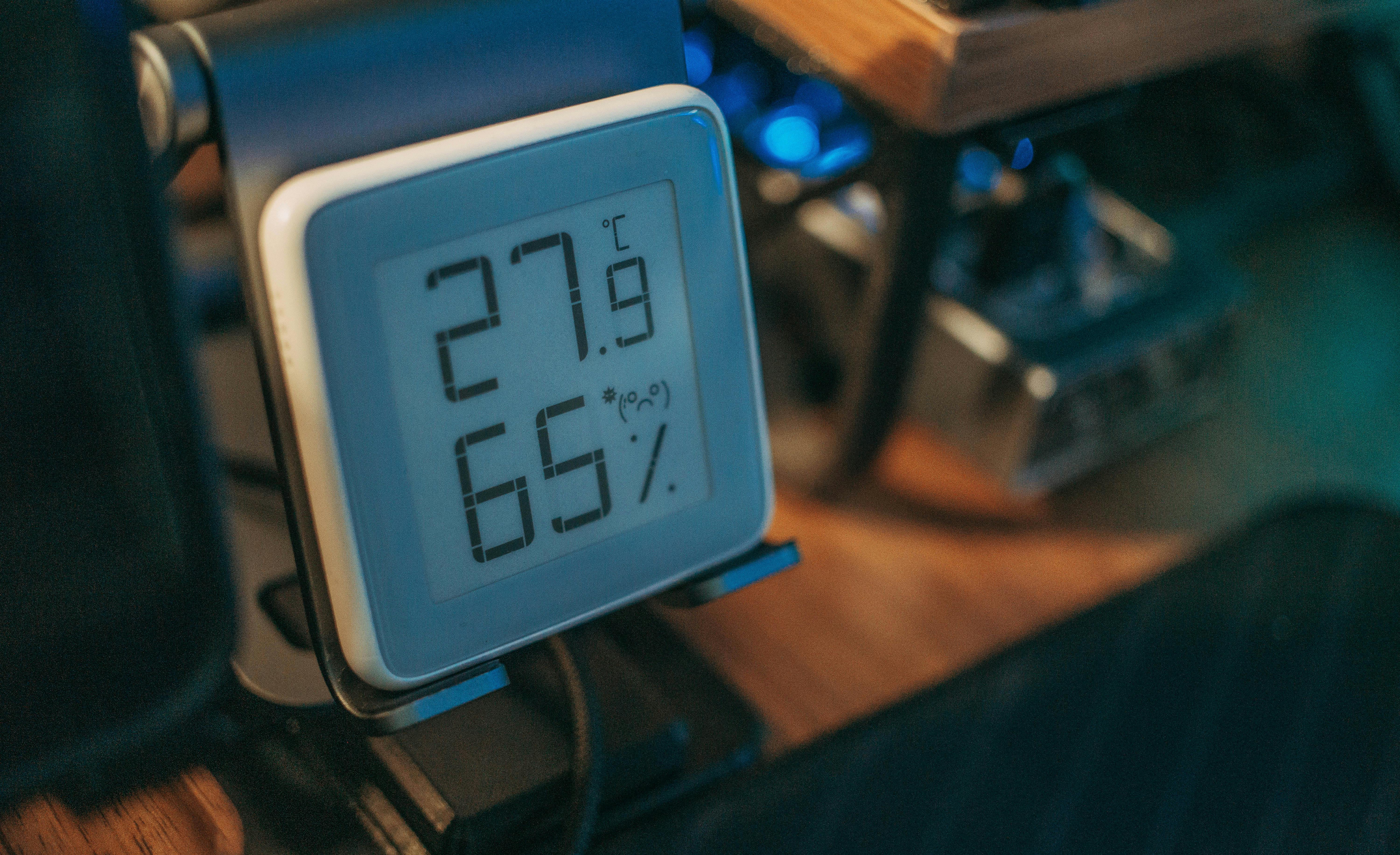
My apartment has the humidity of a desert in winter. I'm in a northern US city where central heating runs from October through April, and my hygrometer regularly reads 25 to 30% relative humidity during those months — well below the 40 to 60% that most tropical houseplants prefer. I've killed my share of calatheas, nerve plants, and maidenhair ferns trying to grow humidity-lovers in this environment. Eventually, I stopped fighting my home's conditions and started choosing plants that genuinely thrive in them. The shift was transformative — I went from replacing dead plants every few months to growing a lush, healthy collection that requires almost no humidity management at all.
Understanding Low Humidity in Indoor Environments
Relative humidity (RH) below 40% is common in centrally heated homes across USDA hardiness zones 3 through 7 during winter months, and in air-conditioned interiors throughout summer in arid regions like the Southwest. These conditions mimic the dry scrubland, semi-arid grassland, and rocky hillside habitats where many of the world's most resilient plants evolved. Choosing species from these environments — rather than trying to recreate a tropical rainforest microclimate indoors — is the most sustainable approach to successful houseplant growing in dry homes.
Low humidity primarily affects plants through increased transpiration: leaves lose water vapor faster than in humid conditions, placing greater demands on the root system to resupply moisture. Plants adapted to dry habitats counteract this through thick, waxy, or succulent leaves that reduce water loss; small leaf surfaces that minimize transpirational area; and specialized stomatal control that limits water vapor release during dry conditions. These are the traits to look for when selecting low-humidity houseplants.
The Best Low-Humidity Houseplants for Dry Homes
Succulents and Cacti
Succulents and cacti are the obvious champions of low-humidity indoor growing. Their thick, water-storing leaves and stems make them virtually immune to the effects of dry air, and most actively prefer the arid conditions that kill more delicate plants. Popular low-maintenance options include Echeveria species, Haworthia (which also tolerate low light better than most succulents), Aloe vera, various Sempervivum cultivars (which are frost-hardy to zone 3), and small cacti like Mammillaria and Gymnocalycium. All of these thrive at RH levels below 30% without any supplemental humidity.
Snake Plants (Dracaena trifasciata)
Snake plants are arguably the single most adaptable houseplant for challenging indoor conditions. They handle low humidity, low light, irregular watering, and temperature swings with remarkable equanimity. Cultivars like 'Laurentii,' 'Moonshine,' 'Hahnii,' and 'Black Gold' all perform well in dry environments and show no meaningful stress at humidity levels as low as 20%. Their tough, leathery leaves store significant moisture and lose it slowly, making them far more resilient in dry air than their tropical appearance suggests. According to Missouri Botanical Garden's houseplant resources, Dracaena trifasciata is one of the most tolerant houseplants for indoor environments with low humidity and irregular care.
ZZ Plants (Zamioculcas zamiifolia)
ZZ plants are semi-succulent aroids with thick, water-storing rhizomes that allow them to tolerate both drought and low humidity without visible stress. The glossy, dark-green leaves resist moisture loss far more effectively than the thin leaves of tropical aroids like calathea or prayer plants. 'Raven' and the standard green cultivar both handle 25 to 35% RH comfortably and are among the easiest plants I've grown in a dry apartment.
Cast Iron Plants (Aspidistra elatior)
True to their name, cast iron plants tolerate low humidity, low light, temperature fluctuations, and irregular watering with equal indifference. Their tough, deep-green strap leaves are adapted to the dry, shaded floor of Japanese and Chinese forests — an environment that has more in common with a dry, low-light interior than most people realize. They grow slowly but are virtually indestructible once established.
Pothos and Heartleaf Philodendron
Both pothos (Epipremnum aureum) and heartleaf philodendron (Philodendron hederaceum) are surprisingly tolerant of low humidity despite being marketed as tropical plants. They can develop slightly crisper leaf edges at very low RH (below 30%), but they adapt well to 35 to 45% humidity with no significant health effects. Their trailing habits and ease of propagation make them staples in low-humidity homes. The Spruce's tropical houseplant care guides confirm that both pothos and heartleaf philodendron show good adaptability to the moderate low-humidity conditions found in most centrally heated homes, making them reliable choices for beginners in dry environments.
Rubber Plants (Ficus elastica)
The thick, waxy leaves of Ficus elastica make it one of the better large-format tropical plants for dry interiors. Cultivars like 'Burgundy,' 'Tineke,' and 'Ruby' all handle 35 to 45% RH without the brown tip development that plagues thinner-leaved ficus relatives. Their leaves are adapted to resist moisture loss and wipe clean easily — a practical bonus in dusty, dry interiors.
Plants to Avoid in Low-Humidity Environments
Some popular houseplants genuinely struggle below 50% RH and are not worth attempting in very dry homes without dedicated humidity infrastructure. Calathea and Maranta (prayer plants) are notorious humidity-requirement plants — they show brown, crispy edges within weeks in dry conditions and require 60% or higher humidity to look their best. Maidenhair ferns are similarly demanding and will completely collapse in low humidity. Boston ferns, alocasias, and most tropical orchids also prefer higher moisture levels than most centrally heated homes naturally provide. According to Gardening Know How's humidity guides for houseplants, calathea and other Marantaceae family plants require consistently high ambient humidity and are among the most frequently failed houseplants in dry indoor environments, especially during heating season in cold climates.
Simple Ways to Modestly Raise Humidity
If you're committed to growing a few humidity-sensitive plants alongside your drought-tolerant collection, these strategies can help raise local RH without expensive equipment. Grouping plants together creates a shared humidity microclimate as they collectively transpire. A pebble tray with water maintained just below the pot base provides a steady evaporation source directly around the plant. A small ultrasonic humidifier running two to four hours per day near your humidity-sensitive plants can raise local RH by 10 to 15 percentage points — often enough to bridge the gap for moderately demanding species like pothos and philodendrons. For calathea and ferns, a full-room humidifier or a dedicated plant tent are more practical solutions.
Common Mistakes When Growing Plants in Low Humidity
- Misting as a humidity fix: Misting raises humidity for only a few minutes before the water evaporates. For most dry homes, it provides negligible benefit and can promote fungal issues on foliage.
- Choosing tropical rainforest plants because they "look easy": Many beautiful tropical plants — calathea, alocasia, nerve plant — have real humidity requirements that most dry homes can't meet without significant infrastructure.
- Watering more frequently to compensate for low humidity: Dry air increases transpiration from leaves, not soil moisture evaporation. Watering more frequently doesn't address low humidity and increases overwatering risk.
- Placing humidifier-dependent plants next to heating vents: Forced-air heating dramatically reduces local humidity. Positioning sensitive plants near HVAC vents is one of the fastest ways to stress them in winter.
- Ignoring humidity requirements when purchasing plants: Asking "what humidity does this plant need?" before buying is one of the most impactful questions a plant parent can ask — especially in climate-controlled homes.
Quick Reference Low-Humidity Plant Table
| Plant | Minimum Comfortable RH | Additional Low-Humidity Traits |
|---|---|---|
| Snake plant (Dracaena trifasciata) | 15–20% RH | Low light tolerant; drought resistant |
| ZZ plant (Zamioculcas zamiifolia) | 20–25% RH | Semi-succulent rhizomes; tolerates low light |
| Succulents and cacti | 10–20% RH | Prefer low humidity; require bright light |
| Pothos (Epipremnum aureum) | 30–35% RH | Slight tip browning below 30%; otherwise robust |
| Rubber plant (Ficus elastica) | 30–35% RH | Thick waxy leaves resist moisture loss |
| Cast iron plant (Aspidistra elatior) | 25–30% RH | Extremely tolerant; slow grower; very low light |
Frequently Asked Questions
What is considered low humidity for houseplants?
Most tropical houseplants prefer 40 to 60% relative humidity. Below 40% is considered low for tropical species, and below 30% is genuinely challenging for anything other than succulents, cacti, and other xeric-adapted plants. The plants recommended in this article are selected to perform well at 25 to 40% RH — the range common in centrally heated North American homes during winter months.
Does a pebble tray actually raise humidity enough to matter?
A pebble tray raises local humidity by a modest amount — studies suggest roughly 3 to 8 percentage points directly above and around the tray. This is enough to provide slight benefit to moderately humidity-sensitive plants like pothos and heartleaf philodendron, but it's not sufficient for high-humidity-demanding species like calathea or maidenhair ferns. For those, a genuine humidifier is necessary.
Can I tell if my plant is suffering from low humidity by looking at it?
Yes — the most common visual symptom of low-humidity stress is brown, dry, crispy leaf tips and margins, especially on newer growth. This is different from browning caused by overwatering (which is typically soft and yellow before browning) or underwatering (which affects the whole leaf, not just tips). If you see consistent crispy brown edges on a plant that is otherwise well-watered, low humidity is the primary suspect.
Working with your home's conditions rather than against them is one of the most liberating shifts you can make as a plant parent. Once you stock your shelves with plants that naturally thrive in your environment, you stop replacing dead plants and start genuinely enjoying your collection. Drop your humidity challenge in the comments below, and check out our related guides on choosing the best pot for low-maintenance snake plants and the best overall houseplants for beginners in any home.

About the Author
Written by Sage Avery, a plant care writer at Plant Companion Guide. For how we create and update content, see our editorial policy.