Best Plants for Bathrooms: Thrive in Humidity and Low Light
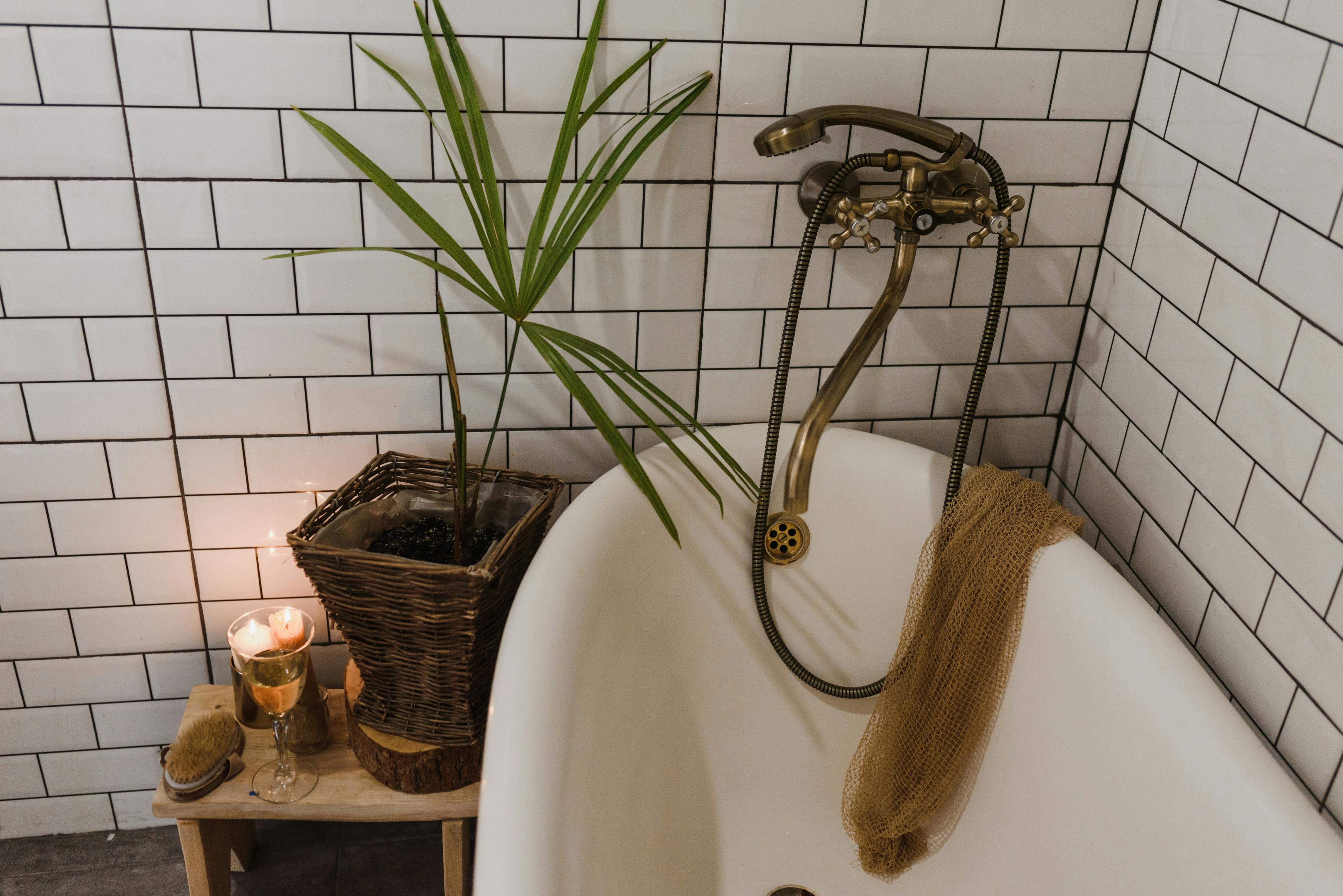
Bathrooms present a unique combination of conditions — high humidity from showers and baths, variable temperature, and often very low or artificial light — that eliminate most houseplants as viable candidates. But a handful of plants not only survive these conditions, they actively prefer them. Getting this match right means a bathroom plant that genuinely thrives rather than one that slowly declines over months before you give up on the idea entirely.
Understanding Bathroom Light
Light is usually the limiting factor, not humidity. Many bathrooms have frosted glass windows for privacy or no windows at all, reducing usable light to a few hundred lux at most — enough for survival but not active growth in most plants. Before choosing a plant, assess your bathroom's actual light situation honestly. A skylight or large, clear window facing east or south creates a genuinely different environment from a small frosted window above the toilet. If your bathroom has no natural light at all, grow lights are necessary — a small LED panel on a timer is an inexpensive solution that opens up your options significantly.
Top Plants for High-Humidity, Low-Light Bathrooms
Pothos (Epipremnum aureum) tolerates low light better than almost any houseplant and actively benefits from the humidity of a shower room. It grows quickly, trails attractively from shelves, and is almost impossible to kill through neglect. Golden pothos is the most widely available, but Marble Queen and Neon pothos both work equally well in bathrooms.
Peace lily (Spathiphyllum wallisii) evolved in the humid understory of tropical forests and is genuinely happiest with consistent moisture in the air. It tolerates very low light and droops visibly when thirsty — a useful signal. Its white spathes are a bonus in a room that can feel clinical. Note that peace lilies are toxic to pets, so keep this in mind if your cat wanders into the bathroom.
Boston fern (Nephrolepis exaltata) is the classic humidity lover that turns crispy in dry indoor air but thrives in a bathroom that gets regular showers. Hang it in a macramé planter or set it on a high shelf where it can trail. It needs moderate light — a frosted window is usually sufficient.
Cast iron plant (Aspidistra elatior) earned its name by tolerating conditions that would kill almost any other houseplant: deep shade, irregular watering, temperature fluctuations. It grows slowly and never looks spectacular, but it won't die, which in a difficult bathroom environment is the most important trait.
Plants That Love Bathroom Windows
If your bathroom has a clear window with good exposure, you can keep plants that need more light but still benefit from the humidity. Orchids — particularly Phalaenopsis — thrive in the moderate indirect light and high humidity of a bathroom with an east-facing window. They bloom longer in humid conditions and require less frequent watering. Bromeliads similarly love the steam and indirect light, and their architectural rosettes look striking against tile and white fixtures. Hoyas appreciate bathroom humidity and produce long, trailing vines if given something to climb or drape from.
Shelving, Hanging, and Placement
In most bathrooms, floor space is at a premium. Wall-mounted shelves near the window, hanging planters from a shower curtain rod hook, or a simple narrow shelf above the toilet are the most practical placements. Avoid placing plants directly on the edge of the bathtub or sink where they'll get splashed with soap. Choose containers without drainage holes (or use cachepots) over bathtubs and sinks to avoid water damage — just be careful not to overwater without drainage. Terracotta pots are excellent for bathroom plants that tend toward overwatering, as they wick moisture from the soil and help prevent root rot in humid conditions.
What Won't Work in a Bathroom
Desert plants — cacti, succulents, and most herbs — dislike the high humidity and low light typical of bathrooms. They evolved to handle dry conditions and direct sun; bathroom conditions stress them in the opposite direction, leading to soft, rotting tissue. Similarly, plants that prefer dry soil between waterings (ZZ plant, snake plant) can survive in bathrooms but may root-rot if the bathroom maintains very high constant humidity. Save the good light for plants that genuinely need it, and choose the naturally low-light, moisture-loving species for windowless spaces.

About the Author
Sage Avery is a passionate gardener and plant enthusiast sharing tips for a greener life.