Best Potting Soil for Indoor Plants
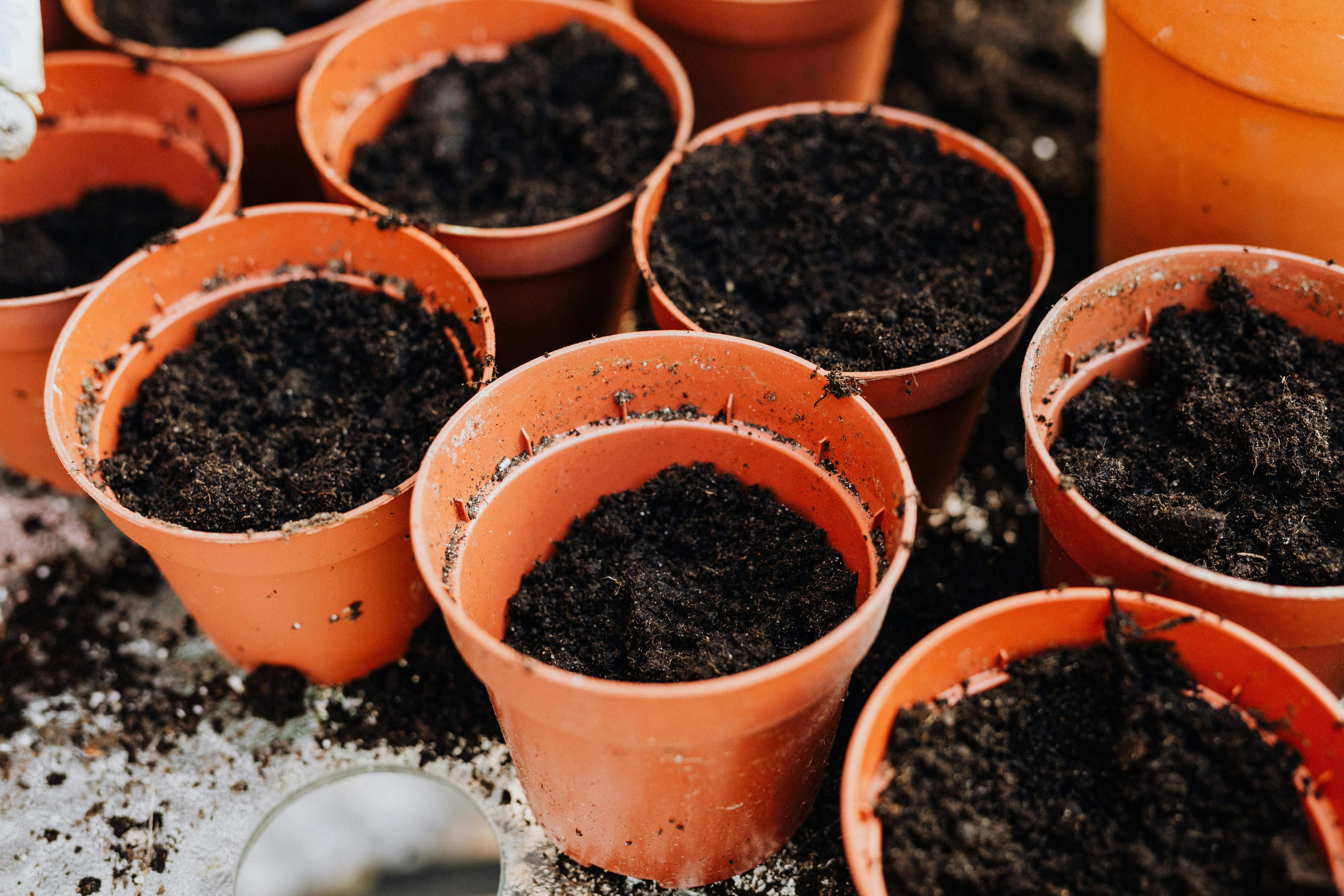
Beyond Dirt: Building the Perfect Home for Roots
As a hobbyist who has tested dozens of mixes, I can confirm that generic garden soil is a death sentence for houseplants. Indoor plants need a soilless, porous medium that balances water retention and drainage.
Deconstructing Potting Mix Ingredients
- Peat Moss/Coco Coir: Provides moisture retention and slight acidity. Coco coir is a more sustainable alternative to peat.
- Perlite/Pumice: Those white, lightweight chunks create vital air pockets for oxygen and improve drainage.
- Orchid Bark/Pine Fines: Chunky pieces provide structure and aeration, perfect for epiphytes like Monsteras and Philodendrons.
- Compost/Worm Castings: Adds organic matter and slow-release nutrients.
- Vermiculite: Holds water and nutrients, often used in seed-starting mixes.
Top 5 Tested & Trusted Brands
- FoxFarm Ocean Forest: A premium, nutrient-rich blend I use for most of my tropical plants. It has a great texture right out of the bag.
- Espoma Organic Potting Mix: Contains mycorrhizae to promote root health. Their cactus mix is also excellent.
- Miracle-Gro Indoor Potting Mix: A widely available, reliable budget option. Note: It contains synthetic fertilizer.
- Black Gold All Organic Potting Soil: Consistently well-aerated and high quality.
- Superfly Bonsai Succulent & Cactus Mix: An incredibly fast-draining, gritty mix perfect for succulents and Hoyas.
The Ultimate DIY All-Purpose Mix Recipe
For control and cost savings, I make my own blend, endorsed by many professional growers:
1 part Pine Bark Fines
1 part Coarse Perlite
1 part Coco Coir or Sphagnum Peat Moss
1/4 part Worm Castings (for nutrients)
Mix thoroughly. Adjust ratios: more perlite for succulents, more coco coir for moisture-loving plants.
Authority Reference: The Clemson Home & Garden Information Center provides a scientific breakdown of soilless media components.

About the Author
Written by Sage Avery, a plant care writer at Plant Companion Guide. For how we create and update content, see our editorial policy.