Bird of Paradise Indoors: Light, Water, and Growth Tips for Bigger Leaves
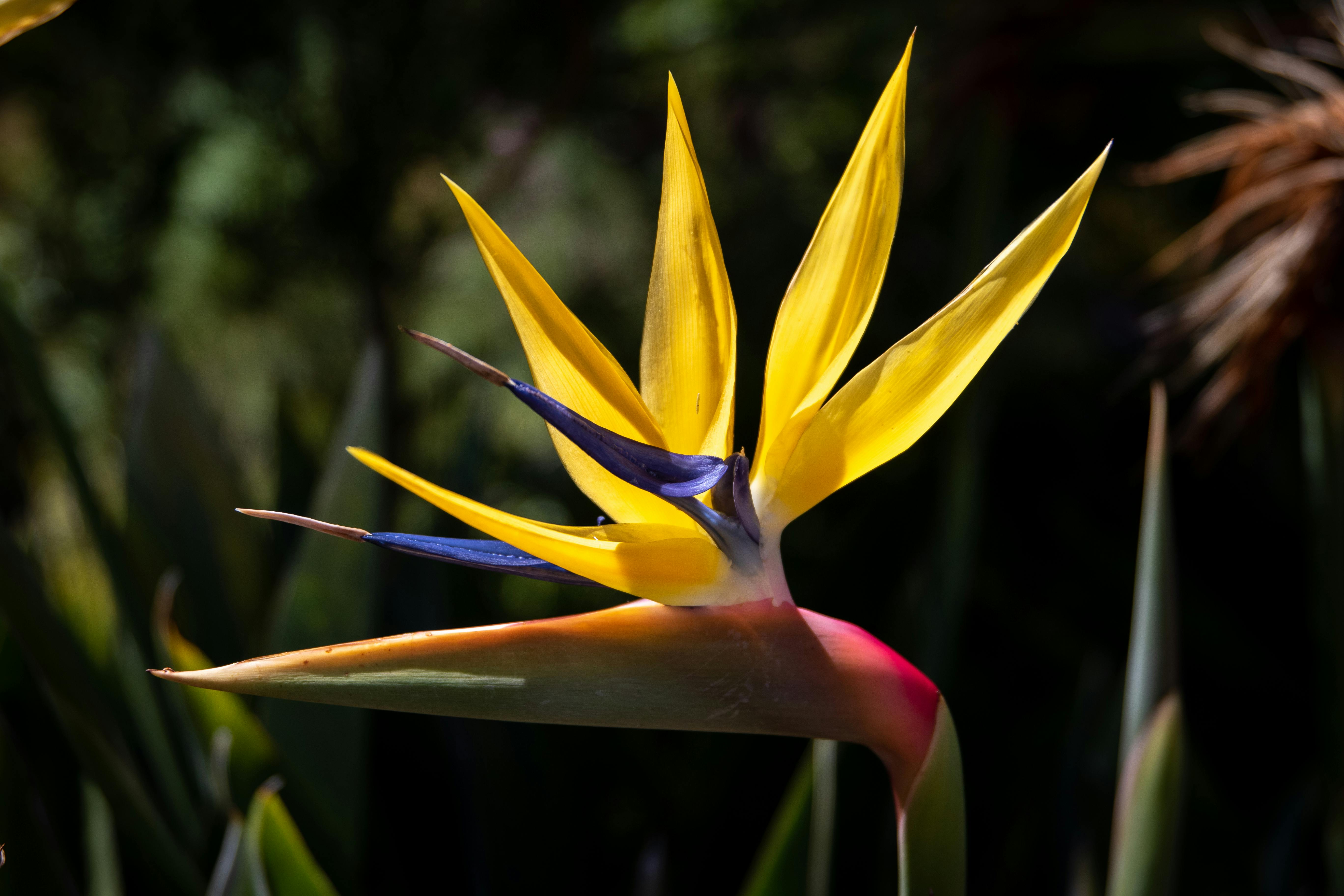
I moved my Strelitzia reginae to what I thought was a great spot — a south-facing corner of my living room — and waited two years for those iconic orange flowers that garden center photos had promised. They never came, and I spent months trying to figure out why before finally accepting the truth: flowering Strelitzia reginae indoors requires exceptional light that most homes simply can't provide, and I was growing it in a corner that, despite feeling bright to me, was receiving far less light intensity than the plant needed. What I learned during those two years, though, was how to grow the most impressive foliage version of this plant I'd ever seen — large, deep-green, upright leaves on a plant that had become a genuine focal point in my living room. Whether or not you ever see the flowers, getting the fundamentals right produces a plant that's worth every bit of the space it occupies.
Strelitzia Reginae vs. Strelitzia Nicolai: Which One Are You Growing?
Before anything else, it helps to know which bird of paradise you have, because they're quite different plants with distinct indoor care needs. Strelitzia reginae is the smaller of the two, typically reaching three to five feet indoors, with paddle-shaped blue-green leaves on long petioles and the famous orange-and-blue flowers. Strelitzia nicolai — the giant white bird of paradise — can grow eight to twelve feet tall indoors over time, with enormous, banana-like leaves that split dramatically at the edges as they mature. Both are stunning, but nicolai is the more commonly available of the two at most garden centers.
If you bought a "bird of paradise" without a species name, it's likely nicolai. The leaves will be notably larger, and the plant won't flower indoors under most conditions. For indoor display purposes, nicolai is actually the better choice — the dramatic foliage is the feature, and the scale it eventually achieves is genuinely spectacular. According to the Missouri Botanical Garden's indoor plant resources, both Strelitzia species perform best indoors when given the highest available light — a south-facing window with unobstructed exposure is the gold standard.
Light: The Non-Negotiable for Indoor Bird of Paradise
More than any other variable, light determines how your bird of paradise performs indoors. These plants are native to South Africa and evolved in full, intense tropical and subtropical sun. Indoors, they need to be as close to that as possible: a south-facing window with direct sun for several hours daily is the ideal placement. My nicolai sits two feet from a south-facing window and receives direct sun from mid-morning through early afternoon — the leaves are enormous, deep green, and the plant pushes out a new leaf approximately every four to six weeks during the growing season.
In inadequate light — medium indirect, north-facing windows, or positions more than six feet from any window — bird of paradise plants survive but grow extremely slowly, produce small, pale leaves, and become susceptible to root rot because the soil doesn't dry out at an appropriate rate. If your space genuinely can't provide bright, direct light for several hours daily, a large, high-output LED grow light is worth the investment. I run a supplemental grow light during winter months in USDA Zone 6 from November through March. The USDA Plant Hardiness Zone Map is a useful tool for understanding how much of the year your geographic region receives sufficient outdoor-equivalent light intensity to support growth without supplemental lighting.
Why Indoor Bird of Paradise Leaves Split
The distinctive splits along the edges of bird of paradise leaves are a natural adaptation to windy conditions in their native habitat — the splits allow wind to pass through without tearing the leaf. Indoors, leaves will split naturally as they age and dry slightly. This is completely normal and does not indicate a care problem. Very young plants kept in still, humid air may produce leaves with fewer splits — some growers actually run a fan periodically to encourage the process.
Watering and Humidity for Bigger Leaves
Bird of paradise plants prefer a consistent watering schedule that keeps the soil moderately moist but never waterlogged. I water when the top two inches of soil feel dry — typically every seven to ten days during the growing season. In winter, I reduce to every fourteen to twenty-one days. These plants have thick, fleshy rhizomatous roots that store some water, giving them modest drought tolerance, but they do not handle prolonged drought or root saturation well.
The connection between watering, light, and leaf size is direct: plants receiving bright light photosynthesize vigorously, push water through their system efficiently, and produce larger leaves. Plants in low light photosynthesize slowly, use water inefficiently, and produce noticeably smaller leaves even with identical watering. If your bird of paradise is producing small leaves, address the light before adjusting any other variable. The Spruce's indoor plant care resources highlight the relationship between light intensity and leaf size in large tropical houseplants, reinforcing what I've observed directly over years of growing both Strelitzia species indoors.
Bird of paradise benefits from moderate to high humidity — 50–60% is ideal. In dry apartments, the leaf edges can develop crispy brown margins. A humidifier nearby during winter heating season is worth it, particularly for nicolai specimens you're growing for their dramatic foliage.
Feeding, Repotting, and the Patience Required
Bird of paradise is a heavy feeder during the growing season. I fertilize monthly from March through September with a balanced liquid fertilizer at full strength — this is one of the few houseplants where I don't dilute to half strength, because the plant is large, actively growing, and uses nutrients efficiently in good light. In fall and winter, fertilizing stops completely.
These plants prefer to be slightly root-bound and actually bloom more readily (for reginae) when their roots are crowded. Repot only when roots are visibly growing out of drainage holes or the plant is tipping its pot. Move up two pot sizes at most — bird of paradise roots are thick and fleshy, and they appreciate having room to spread without being lost in a giant volume of soil. For companion planting ideas or display inspiration, see our guide on the best large-leaf tropical houseplants for dramatic indoor displays.
Finally: patience. Bird of paradise plants grow slowly indoors. A small nursery plant may take three to five years to reach impressive scale. Resist the urge to troubleshoot a plant that's simply still young — consistent good light and watering will get you there faster than any intervention. According to Gardening Know How's bird of paradise care resources, most indoor specimens don't begin producing their characteristic large, mature leaves until they're at least two to three years old and well-established in their root systems.
Common Mistakes with Indoor Bird of Paradise
- Placing in a low-light position: This plant needs the brightest spot in your home. A dim corner will produce perpetually small, pale leaves and slow, frustrated growth.
- Overwatering in winter: Growth slows dramatically in winter; reduce watering frequency to match reduced light and evaporation rates.
- Expecting flowers without exceptional light: Indoor flowering of S. reginae requires direct sun for most of the day — conditions few homes provide. Grow it for the foliage and treat any flowers as a bonus.
- Repotting too frequently: These plants bloom better when root-bound. Resist unnecessary repotting.
- Wiping the large leaves infrequently: Dust on large leaves reduces photosynthetic efficiency significantly. Wipe with a damp cloth monthly.
Quick Reference Care Table
| Care Factor | Requirement |
|---|---|
| Light | Bright direct to indirect; south-facing window preferred; 4+ hours direct sun ideal |
| Water | When top 2 inches dry; every 7–10 days growing season, 14–21 days winter |
| Soil | Well-draining, rich potting mix; add perlite for improved drainage |
| Humidity | 50–60% preferred; use humidifier in dry winter conditions |
| Temperature | 65–85°F (18–29°C); tolerates brief dips to 50°F; no frost tolerance |
| Fertilizer | Balanced liquid at full strength, monthly, March through September |
| Repotting | Every 2–3 years or when severely root-bound; prefers snug conditions |
| Outdoor USDA Zones | S. reginae: Zones 10–12; S. nicolai: Zones 9b–12 |
Frequently Asked Questions
How long does it take for a bird of paradise to produce a new leaf indoors?
In good light during the growing season, bird of paradise plants produce a new leaf approximately every four to eight weeks. Growth slows considerably in winter or in lower-light positions, sometimes pausing for months entirely. Each new leaf emerges as a tightly rolled cylinder that gradually unfurls over one to two weeks — a genuinely satisfying process to watch.
Why is my bird of paradise not growing despite good light and regular watering?
The most common cause of a stalled bird of paradise is root-bound conditions combined with depleted soil — the plant has used all the nutrients in its mix and the roots have nowhere left to grow. Repotting into fresh soil and a slightly larger pot (one to two sizes up) during the growing season, followed by consistent fertilizing, typically restores active growth within four to six weeks.
Can I grow bird of paradise outdoors in summer?
Yes — in USDA Zones 4–9, bird of paradise plants benefit enormously from spending summers outdoors in a sheltered, sunny position. Transition them gradually to outdoor light over two weeks to avoid sunburn on leaves acclimated to indoor conditions. Bring the plant back inside well before the first frost, when nighttime temperatures drop to around 50°F.
Bird of paradise is a genuine statement plant — one that rewards the patience to let it grow into its full potential. Give it the brightest window you have, feed it generously through the growing season, and don't rush the process, and you'll have a plant that anchors a room more effectively than almost any piece of furniture. Check our guide on why your bird of paradise isn't flowering if blooms are your goal, and share your bird of paradise progress photos (or questions) in the comments below — we'd love to see how it's growing in your space.

About the Author
Written by Sage Avery, a plant care writer at Plant Companion Guide. For how we create and update content, see our editorial policy.