Black Spots on Plant Leaves: Diagnose and Treat the Right Cause
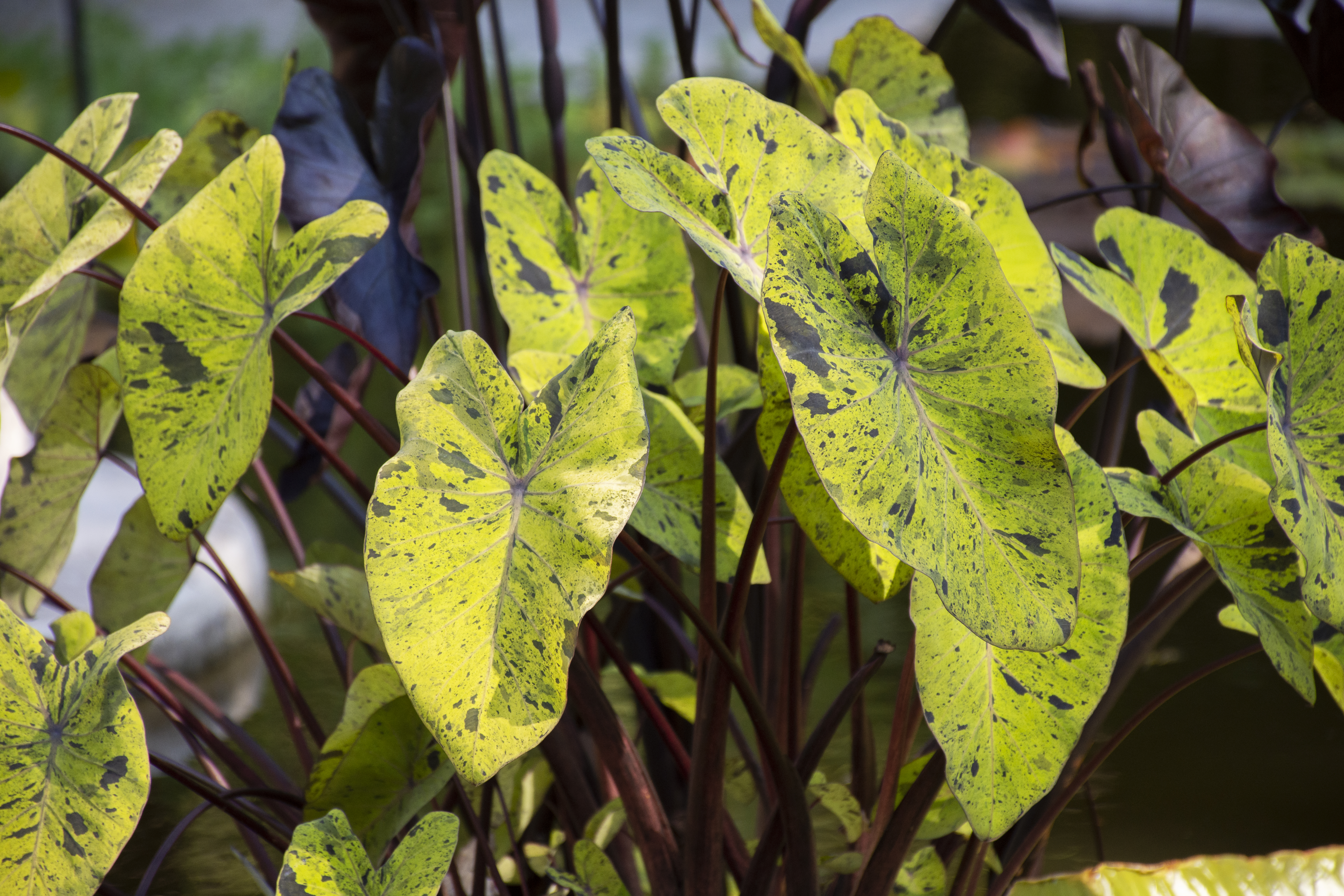
Black spots on plant leaves are one of the most common and most misdiagnosed problems in houseplant care. The mistake most people make is treating for fungal disease when the spots are actually caused by bacterial infection, sunburn, or water quality issues — or treating for sunburn when the problem is actually a pest. The pattern, location, and texture of the spots tell you almost everything you need to know about the cause, so learning to read them is the first step to fixing them.
Fungal Black Spots
Fungal black spots are typically circular or roughly round, often with a yellow halo around the dark center, and may appear powdery or fuzzy on close inspection. They usually start on lower leaves or leaves that are touching each other and spread upward as spores disperse. High humidity combined with poor air circulation is the primary trigger — a plant sitting in still, moist air with wet leaves is a perfect environment for fungal pathogens. Common culprits include Cercospora leaf spot, Alternaria leaf blight, and anthracnose.
Treatment: Remove and discard (don't compost) all affected leaves. Improve air circulation — move the plant somewhere with better airflow or use a small fan nearby. Water at the base of the plant rather than overhead. Treat with a neem oil spray or a diluted solution of baking soda (1 teaspoon per liter of water with a few drops of dish soap) applied to all leaf surfaces. Repeat weekly for three to four weeks. Avoid wetting leaves in the evening, as they'll stay wet overnight.
Bacterial Black Spots
Bacterial spots look different: they tend to have water-soaked, translucent edges before turning black, often with angular rather than circular shapes because bacteria spread through leaf tissue constrained by leaf veins. They may also feel wet or mushy rather than dry. Like fungal spots, bacterial infection spreads in humid, wet conditions, but it doesn't respond to antifungal treatments. Bacterial leaf spot (Pseudomonas, Xanthomonas) is common on Philodendron, Begonia, and many other houseplants.
Treatment: Remove affected leaves immediately. There are no household chemical cures for bacterial infection once it's established — control is through prevention. Water at the base, improve air circulation, reduce overhead irrigation, and avoid working with the plant when leaves are wet (you can transfer bacteria on your hands). Copper-based bactericide sprays can help slow spread but don't cure existing infections. Severely infected plants may need to be isolated to prevent spread to other plants.
Sunburn and Bleaching
Sunburn appears as pale tan or brown patches — not usually true black — with a distinct border between affected and healthy tissue. It typically appears on the side of the leaf facing the light source and affects leaves that were previously shaded and then suddenly exposed to direct sun. Moving a plant that lived in a north-facing window to direct afternoon sun will almost always cause leaf scorch within a week.
Black or very dark spots from sunburn occur most often in succulents and cacti exposed to intense, direct midday sun. In other houseplants, sun damage is usually pale rather than dark. If dark spots appear only on sun-exposed surfaces and not on shaded lower leaves, move the plant back from the window or provide a sheer curtain to diffuse light. Burned leaves won't recover, but new growth in the correct position will be fine.
Pests Causing Dark Spots
Spider mites create stippled, tiny yellowish or bronzed spots rather than large black patches, but scale insects and mealybugs leave dark sooty mold that grows on the honeydew they secrete — this appears as a dark, powdery coating on leaf surfaces, often in areas where pests congregate near stems and leaf joints. The sooty mold itself is a secondary fungal infection that follows the insect infestation. Treat the underlying pest first: wipe scale insects off manually with rubbing alcohol on a cotton swab, then treat with horticultural oil. The sooty mold will clear on its own once honeydew production stops.
Overwatering and Root Rot Symptoms
Root rot caused by overwatering often shows up first as yellowing leaves, but advanced cases produce dark, mushy patches that begin at leaf edges and tips. These spots have a waterlogged appearance and may extend inward from the margins. Unlike fungal spots, they don't have a distinct border and spread diffusely. If your plant has black, mushy patches at leaf edges combined with soft stems and soggy soil, root rot is the likely cause — remove from the pot, trim rotted roots to clean white tissue, and repot into fresh dry mix. Our stem rot guide covers the full diagnosis and rescue process.
Water Quality: Fluoride and Mineral Marks
Some plants — particularly Dracaena, spider plants, and peace lilies — are sensitive to fluoride and chlorine in tap water, producing brown or dark leaf tip burn that can be confused with disease. The pattern is distinctive: it starts at the leaf tip or edge and progresses inward uniformly, without spots or patches in the middle of the leaf. Switching to filtered water, rainwater, or water left overnight (to off-gas chlorine) usually stops new damage within a few weeks, though existing marks won't disappear from already-affected leaves.
About the Author
Sage Avery is a passionate gardener and plant enthusiast sharing tips for a greener life.