Can You Repot a Plant in Winter? The Honest Answer
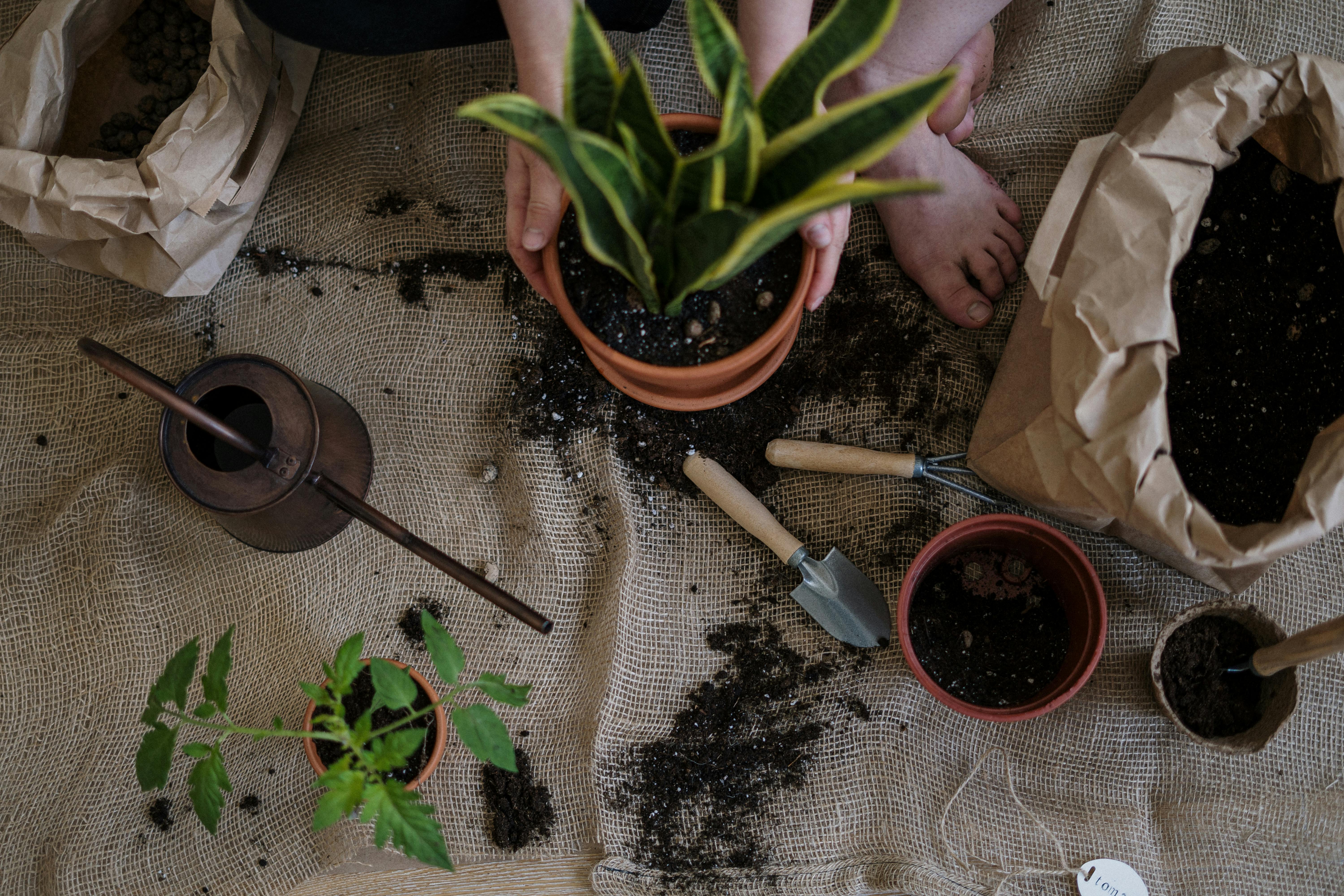
I repotted a monstera in January once — not because I wanted to, but because I tipped the pot while rearranging and discovered, from the resulting pile of roots and minimal soil on my floor, that it had been severely root-bound for probably two years. I didn't have a good choice about timing. What I learned from that experience is that winter repotting doesn't have to be a disaster — it just requires understanding what makes it harder than spring repotting, adjusting your approach accordingly, and being realistic about which situations genuinely can't wait until a better season.
Why Spring Is the Preferred Repotting Season
The advice to repot in spring isn't arbitrary — it's grounded in plant biology. As day length increases and light intensity improves in March and April, most houseplants shift from their reduced-activity winter state into active growth mode. Root systems become more metabolically active, cells divide faster, and the plant's overall resilience to stress increases. A plant repotted in spring recovers quickly because it's entering a period of active growth with the resources to rapidly grow new roots into fresh medium and heal any root damage from the repotting process.
In winter, the opposite is true. Lower light levels mean less photosynthesis, less energy production, and slower metabolic activity. Root cells divide more slowly, healing is delayed, and the plant has a narrower buffer between manageable stress and serious decline. A pot that a healthy spring plant would recover from in two to three weeks might take six to eight weeks for the same plant in winter — during which time it remains in a vulnerable state with potential for root rot at the disturbed wound sites. According to University of Maryland Extension's houseplant repotting resources, the reduced metabolic activity of houseplants during winter significantly slows post-repotting root establishment, making spring the universally preferred season for container plant work unless urgent circumstances require otherwise.
When Winter Repotting Is Genuinely Necessary
Despite the seasonal preference for spring, certain situations genuinely can't wait. Root rot is the most urgent — a plant with soft, mushy, foul-smelling roots cannot be left in its current medium hoping that spring arrives in time. Rot spreads progressively through the root system and can reach the stem and crown in days to weeks. Immediate repotting, regardless of season, is necessary. Remove all rotted root tissue with sterile scissors, let the root ball air-dry for 24 to 48 hours, and repot into fresh, very well-draining medium. Then manage watering very carefully — the plant needs minimal water through winter while it re-establishes in low-light, reduced-metabolic-rate conditions.
Acute root binding — where a plant has clearly outgrown its pot to the point of visible damage, with roots cracking terracotta or emerging densely in a solid mass from the drainage hole — is a second legitimate reason to repot in winter. Similarly, a severe pest infestation like root mealybugs, which live in the soil and require full medium replacement to treat effectively, warrants immediate repotting regardless of season. In all these situations, the risk of leaving the plant in its current state outweighs the risk of winter repotting stress. Gardening Know How's emergency repotting guides confirm that root rot, severe pest infestation, and structural root binding are the three conditions that override seasonal repotting timing recommendations, requiring action regardless of the time of year.
When Winter Repotting Should Absolutely Wait
If none of those urgent conditions apply, winter repotting should be postponed until early spring. If your plant is growing slightly slowly, has been in its pot for a year or two but shows no signs of acute stress, or if you simply want to refresh the medium — wait until February or March at the earliest. The plant is not at risk, and the improved recovery conditions of spring will produce a much better outcome.
Plants that are particularly poor candidates for winter repotting include: tropical aroids (monstera, philodendron, pothos) that are very sensitive to root disturbance; flowering houseplants currently in bud or bloom, which drop flowers and buds readily when stressed; and any plant that has recently been through another stressor like a move, pest treatment, or cold damage. Stacking stressors on top of each other is one of the fastest ways to lose a plant that was otherwise salvageable.
How to Minimize Stress When Winter Repotting Is Unavoidable
If you must repot in winter, these adjustments to your normal approach will significantly reduce the stress on the plant:
- Size up minimally: Move to a pot only one size larger (one to two inches) in winter. A larger pot than necessary holds excess moisture for longer at a time when the plant's reduced metabolic rate means it's using water more slowly. Excess moisture in winter equals elevated root rot risk.
- Use well-draining medium: Add extra perlite to your normal potting mix for winter repotting — approximately 30 to 40% rather than 20 to 25%. The additional drainage helps compensate for the plant's reduced water uptake capacity during the low-light period.
- Water minimally immediately after repotting: A light watering to settle the soil is sufficient. Then hold back on watering more aggressively than usual — the combination of disrupted roots and winter conditions makes waterlogging a serious risk.
- Don't fertilize: Hold all fertilization for at least six to eight weeks after a winter repot — longer than the spring standard. Damaged root systems are particularly fertilizer-sensitive, and winter's low light means the plant isn't growing enough to use nutrients productively anyway.
- Maintain warmth: Place the newly repotted plant in the warmest, brightest location available. Root growth is highly temperature-sensitive — roots at 60°F grow significantly more slowly than roots at 70°F. If you can temporarily increase the local temperature around the plant, it will improve recovery speed. According to Missouri Botanical Garden's plant care guides, maintaining soil temperature above 65°F is one of the most impactful factors in post-repotting root establishment for tropical houseplants, regardless of season.
Signs That Your Winter-Repotted Plant Is Recovering
Recovery after a winter repot is slower than after a spring repot, but the signs are the same: new leaves or stems emerging from growth points, roots becoming visible at the drainage hole when the plant has been given appropriate time to establish, and the overall plant maintaining its color and firmness rather than declining. Some winter-repotted plants will essentially pause visible growth for the rest of winter and begin growing again in spring — this is normal. The absence of decline (yellowing, wilting, mushy stems) is actually the positive indicator during winter recovery; active new growth may not appear until light levels improve in early spring.
Common Mistakes in Winter Repotting
- Repotting healthy plants in winter simply because "it's been a year": Routine maintenance repotting can almost always wait until spring. Unless there's an urgent reason, patience serves the plant better.
- Using the same watering frequency after repotting: Disrupted roots plus low winter light means the plant is using water more slowly than before. Overwatering after a winter repot is one of the most common causes of winter plant loss.
- Jumping more than one pot size: Excess soil volume is risky at any time of year, but especially in winter when the plant can't dry out the medium efficiently between waterings.
- Fertilizing immediately after repotting: A six-to-eight-week post-repotting fertilizer pause in winter is the minimum. Damaged roots in reduced-activity conditions are extremely susceptible to fertilizer salt burn.
- Placing repotted plants in cold or drafty positions: Root recovery requires warmth. A newly repotted plant placed near a cold window or drafty door in winter is fighting an uphill battle from the start.
Quick Reference Winter Repotting Table
| Situation | Repot in Winter? | Key Adjustments |
|---|---|---|
| Root rot present | Yes — immediately | Remove all rot; dry root ball; minimal watering post-repot |
| Severe root binding (cracking pot or dense mass at drainage) | Yes — promptly | Size up one pot only; extra perlite in mix; hold water and fertilizer |
| Root pests (root mealybug, fungus gnats) | Yes — treat and repot | Replace all medium; treat roots; quarantine from other plants |
| Plant growing slowly, not root-bound | No — wait until spring | Resume normal watering; repot Feb–March when growth resumes |
| Routine medium refresh | No — wait until spring | Spring flush as temporary fix if salt buildup is visible |
Frequently Asked Questions
What's the earliest in the year I should repot in colder climates?
In most of North America — USDA zones 3 through 7 — late February to mid-March is typically when indoor light levels have improved enough to support post-repotting recovery. Watch for the first signs of new growth on your plants as the seasonal trigger: when growth points begin showing movement, the plant has shifted into a more active metabolic state and is ready for the stress of repotting. In warmer zones (8 and above), February is generally safe, and in some parts of zone 9 and 10, late January repotting is appropriate.
My plant is clearly root-bound in winter but otherwise healthy — should I wait?
If the root binding is moderate — roots circling the bottom of the pot but not causing structural stress or significantly impaired water uptake — waiting until early spring (six to eight weeks away at most in January or February) is the more conservative and safer choice. If the root binding is severe — the plant is wilting between waterings because there's essentially no soil left to hold moisture — repot promptly and follow the winter-specific adjustments outlined above.
Can I bare-root a plant in winter if I need to remove all old soil?
Bare-rooting — removing all old soil from the root ball — is high-stress work at any time of year and significantly more so in winter when root recovery is slow. For urgent situations like severe root rot or a persistent root-pest infestation where all old medium must be removed, bare-rooting in winter is acceptable but requires the most careful post-repotting management: minimal watering, warm location, good light, and a long fertilizer pause. Avoid bare-rooting in winter for any non-urgent reason.
Winter repotting is not something to fear — it's just something to approach with extra care and realistic expectations about recovery timelines. When you need to do it, the guidelines above will give your plant the best possible chance. If you have the option to wait, spring is always kinder. Drop your winter plant care questions in the comments, and read our guides on whether to repot newly purchased plants right away and how to separate root-bound plants without causing damage.

About the Author
Written by Sage Avery, a plant care writer at Plant Companion Guide. For how we create and update content, see our editorial policy.