Chinese Evergreen Care: Bold Foliage in Low Light
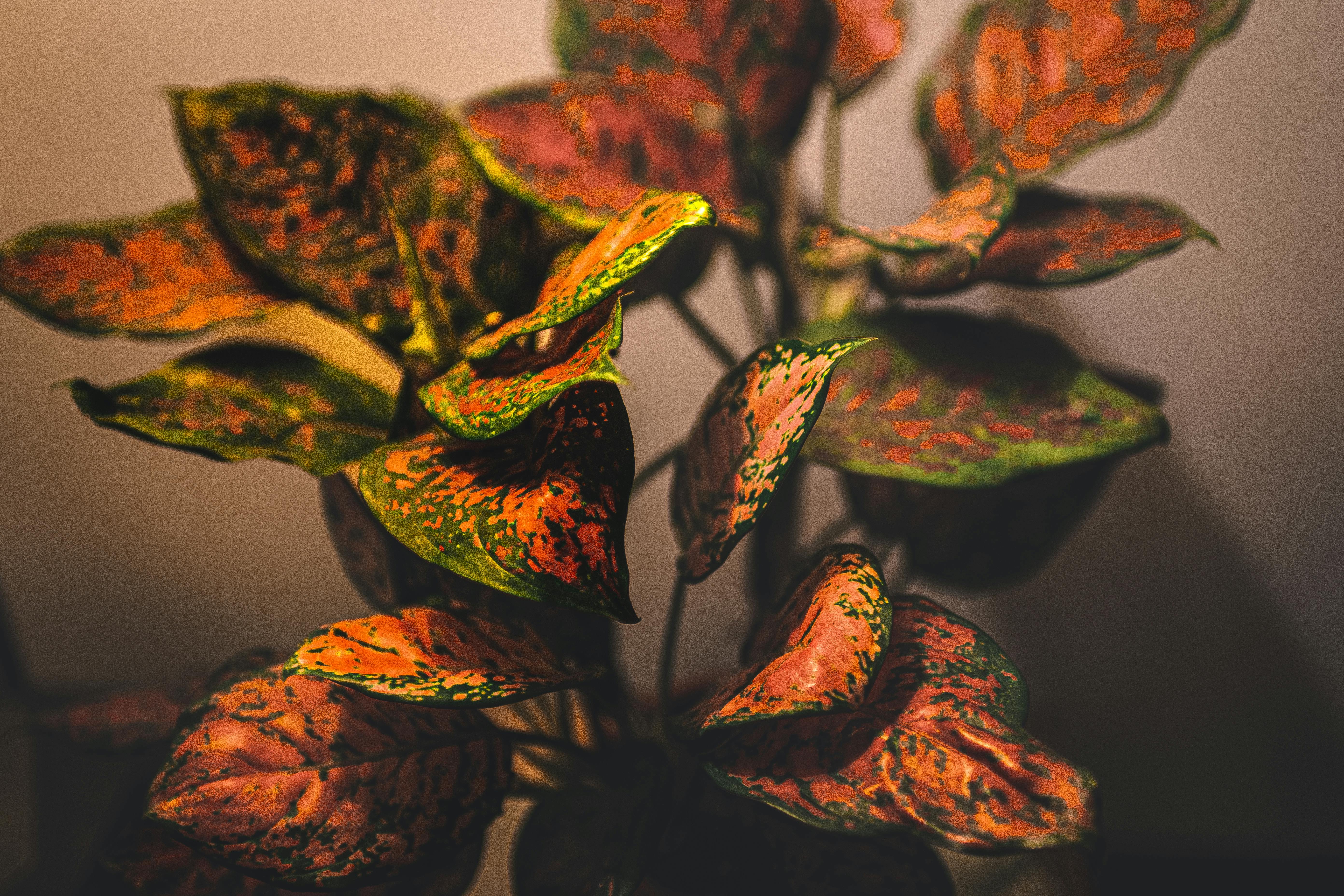
When I started recommending plants to friends with "no natural light," aglaonemas became my default answer almost immediately. I keep a cluster of them in my north-facing hallway — a spot where nothing else survives — and they've been producing new leaves steadily for three years. The trick I had to share was the cultivar selection piece: the deep green varieties like Aglaonema modestum genuinely tolerate low light, while the vibrant red and pink cultivars like 'Red Siam' and 'Siam Aurora' need considerably more brightness to maintain their color. Get that distinction right and Chinese evergreens become nearly foolproof.
Choosing the Right Aglaonema Variety for Your Light Level
The Aglaonema genus encompasses dozens of cultivated varieties with vastly different coloration and corresponding light needs. The rule of thumb is straightforward: the more green in the leaves, the more low-light-tolerant the variety. Aglaonema modestum, with its solid dark green leaves, can survive in north-facing rooms or office fluorescent lighting. 'Silver Bay' and 'Silver Queen', with their silver-green marbling, perform well in moderate indirect light. The highly pigmented pink, red, and orange varieties — 'Red Aglaonema', 'Lady Valentine', 'Siam Aurora' — need bright indirect light to maintain their vivid coloration and will revert toward green in low-light conditions.
According to University of Minnesota Extension's houseplant guidance, aglaonemas rank among the most adaptable foliage plants for interior environments, provided the correct variety is matched to available light. This variety-to-light matching is where most plant parents go wrong, purchasing a colorful cultivar for a dim room.
Watering Chinese Evergreens Without Overwatering
Aglaonemas have thick, semi-succulent stems and roots that store water, making them considerably drought-tolerant for a tropical foliage plant. The ideal watering approach is to allow the top one to two inches of soil to dry between waterings. In low-light environments, the soil dries more slowly — watering every ten to fourteen days is typical in darker conditions, while brighter placements may need water every seven to ten days during the growing season.
Yellow lower leaves on an otherwise healthy-looking plant almost universally indicate overwatering. Root rot develops quickly when aglaonemas sit in consistently wet soil. Use a well-draining potting mix with added perlite, and never allow the pot to sit in standing water. Missouri Botanical Garden's care resources confirm that aglaonemas are considerably more forgiving of underwatering than overwatering — when in doubt, wait an extra day or two before watering.
Humidity, Temperature, and Fertilizing
Chinese evergreens tolerate the humidity levels found in most North American homes (30–50%) better than most tropical foliage plants, making them practical choices for dry indoor environments. They prefer temperatures between 65–80°F (18–27°C) and are sensitive to cold: temperatures below 55°F (13°C) cause cellular damage visible as brown patches on leaves. Keep them away from drafty windows, exterior doors, and air conditioning vents.
Fertilize monthly during spring and summer with a balanced liquid fertilizer at half the recommended strength. Aglaonemas are not heavy feeders and excess fertilizer builds up as soil salts, which can cause root burn and brown leaf tips. Flush the soil with plain water every two to three months to prevent salt accumulation. In fall and winter, withhold fertilizer entirely as growth naturally slows. For related care advice, see our comparison of liquid vs. granular fertilizers for houseplants.
Pests and Common Problems
Aglaonemas are relatively pest-resistant but not immune. The most common pests are mealybugs (white cottony masses in leaf axils and stem joints) and spider mites (fine webbing on leaf undersides during dry conditions). Both respond to treatment with insecticidal soap or neem oil applied to all plant surfaces. Inspect new plants thoroughly before bringing them near your existing collection, as most pest introductions originate from purchased plants. For scale insects specifically — a more persistent pest on thicker-stemmed plants — see our complete guide to identifying and treating scale on houseplants.
Brown leaf tips in aglaonemas typically indicate fluoride sensitivity, salt buildup, or low humidity rather than a pest problem. Adjust watering water quality and flush the soil to address. Drooping stems with mushy texture at the base indicate bacterial or fungal stem rot from overwatering — unpot, trim affected tissue, and repot into fresh, dry mix.
Common Mistakes to Avoid
- Choosing a pink or red cultivar for a dim room: Colorful aglaonemas need bright indirect light to maintain pigmentation. Dark-green varieties are the low-light choices.
- Watering on a fixed schedule: Soil moisture varies by season, light level, and humidity. Always check the soil before watering.
- Placing in direct sun: Even low-light-tolerant varieties will develop bleached, burned patches in direct afternoon sun.
- Cold windowsill contact in winter: The glass of a cold window in winter can chill aglaonema foliage significantly below ambient room temperature, causing brown damage.
- Over-fertilizing: Aglaonemas are slow-growing and need minimal feeding. Half-strength monthly in the growing season is sufficient.
Quick Reference Chinese Evergreen Care Table
| Factor | Ideal Condition |
|---|---|
| Light (green varieties) | Low to moderate indirect; tolerates north windows |
| Light (pink/red varieties) | Bright indirect; 2–3 ft from south/east window |
| Water | Top 1–2 inches dry; less in winter |
| Soil | Well-draining potting mix with perlite |
| Humidity | 40–60%; tolerates average indoor air |
| Temperature | 65–80°F (18–27°C); no below 55°F |
| Fertilizer | Balanced liquid, half-strength, monthly in growing season |
| Toxicity | Toxic to cats and dogs |
Frequently Asked Questions
Can Chinese evergreen grow in a windowless office?
Dark green varieties of aglaonema can survive under standard office fluorescent lighting for extended periods, though growth will be very slow. For better results in windowless environments, place plants under LED grow lights on a 12–14 hour daily cycle, positioned eight to twelve inches above the plant's canopy. Pink and red varieties will lose their color entirely under fluorescent-only light and are not suitable for truly windowless spaces.
How often should I repot my aglaonema?
Aglaonemas are slow growers and typically need repotting every two to three years. Signs that repotting is due include roots circling the pot bottom, roots emerging from drainage holes, or the plant becoming top-heavy. Go up only one pot size at a time — oversized pots hold excess moisture and increase root rot risk. Spring is the best time to repot, when the plant is entering its active growing phase.
Why are the leaves on my aglaonema turning yellow?
Yellow leaves in aglaonemas most commonly signal overwatering — the soil stays wet too long and begins depriving roots of oxygen. Check that your pot drains freely, that the soil isn't compacted or hydrophobic, and that you're waiting for the top inch or two to dry before rewatering. If only the oldest, lowest leaves yellow while the rest of the plant looks healthy, it is simply normal attrition as the plant produces new growth from the center.
Chinese evergreens are the answer to the perennial question: "What will actually grow in my difficult space?" Choose the right variety for your light level, water conservatively, and these plants will reward you with bold foliage for years with minimal intervention. Drop your aglaonema questions in the comments — I love helping troubleshoot these underrated beauties.
About the Author
Sage Avery is a passionate gardener and plant enthusiast sharing tips for a greener life.