Companion Planting Made Simple
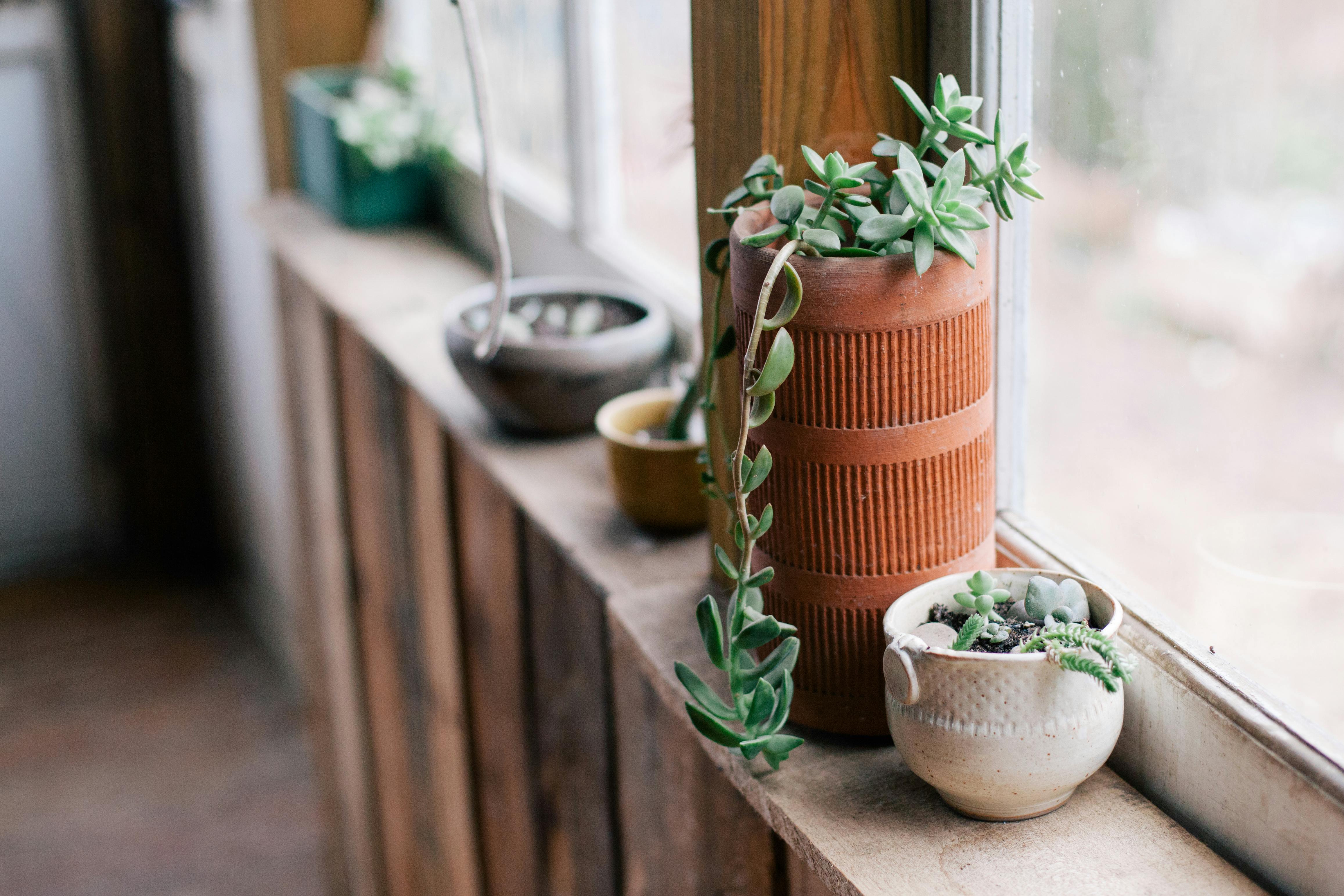
I got interested in companion planting when I ran out of room. In a small home garden, every square foot matters, and I wanted pairings that actually made daily care easier—not just pretty charts that ignored watering habits, plant height, and summer sprawl.
Companion Planting: Easy Pairings for a Small Home Garden
At its most practical, companion planting is about putting plants together that share conditions well, use space efficiently, and reduce friction in the garden. I use The Old Farmer’s Almanac companion planting chart, general planning help from Almanac’s vegetable garden planning guide, and climate context from the USDA zone map when I lay out beds or containers.
Pairings that have worked best for me
- Tomatoes with basil and marigolds
- Cucumbers with dill and nasturtiums
- Rosemary with other drought-tolerant herbs
- Lettuce tucked near taller summer crops for light shade
If you want crop-specific examples, see tomato companion plants and cucumber companion plants.
What I consider before pairing plants
Water needs
I do not pair thirsty crops with dry-loving herbs unless they are clearly separated.
Growth habit
One zucchini can bully a whole corner of a small bed if I do not plan for it.
Season timing
Cool-season crops can share space with slower warm-season starts early, then disappear as summer heat arrives.
Why companion planting works best when it stays practical
The most successful pairings in my garden are the ones that simplify care. Plants that want the same watering rhythm and sun level make the whole garden easier to manage.
Common Mistakes
- Forcing pairings that have different water needs
- Ignoring mature plant size
- Packing herbs too tightly around heavy feeders
- Assuming every “good companion” claim works in every climate
- Not rotating crops by season
- Treating flowers as decoration only instead of part of layout planning
Quick Reference Care Table
| Pairing | Main Benefit | Best Use | My Note |
|---|---|---|---|
| Tomato + basil | Shared summer conditions | Beds and large containers | Easy to manage together |
| Cucumber + dill | Useful mixed bed pairing | In-ground or trellised | Leave room for airflow |
| Rosemary + thyme | Similar dry preference | Herb containers | Low-fuss combo |
Companion Pairing Table
| Plant | Good Companions | Companions to Avoid |
|---|---|---|
| Tomato | Basil, marigold, lettuce | Overcrowding with sprawling squash |
| Cucumber | Dill, nasturtium, lettuce | Very crowded herb clusters |
| Rosemary | Thyme, sage, lavender | Moisture-loving annuals |
FAQ
Does companion planting guarantee fewer pests?
No. I treat it as one tool in a bigger system that includes spacing, airflow, and good watering.
Can companion planting work in containers?
Yes, as long as the plants share the same light and moisture needs and you do not overcrowd the pot.
What is the easiest place to start?
I start with herbs and flowers around summer vegetables because those combinations are easy to visualize and adjust.
Companion planting works best when it makes your daily garden routine simpler, not more complicated. Tell me what crops you are trying to fit into a small space in the comments below, and I’ll suggest a pairing plan I would actually use.

About the Author
Written by Sage Avery, a plant care writer at Plant Companion Guide. For how we create and update content, see our editorial policy.