Croton Plant Care: Vivid Colors Without Leaf Drop
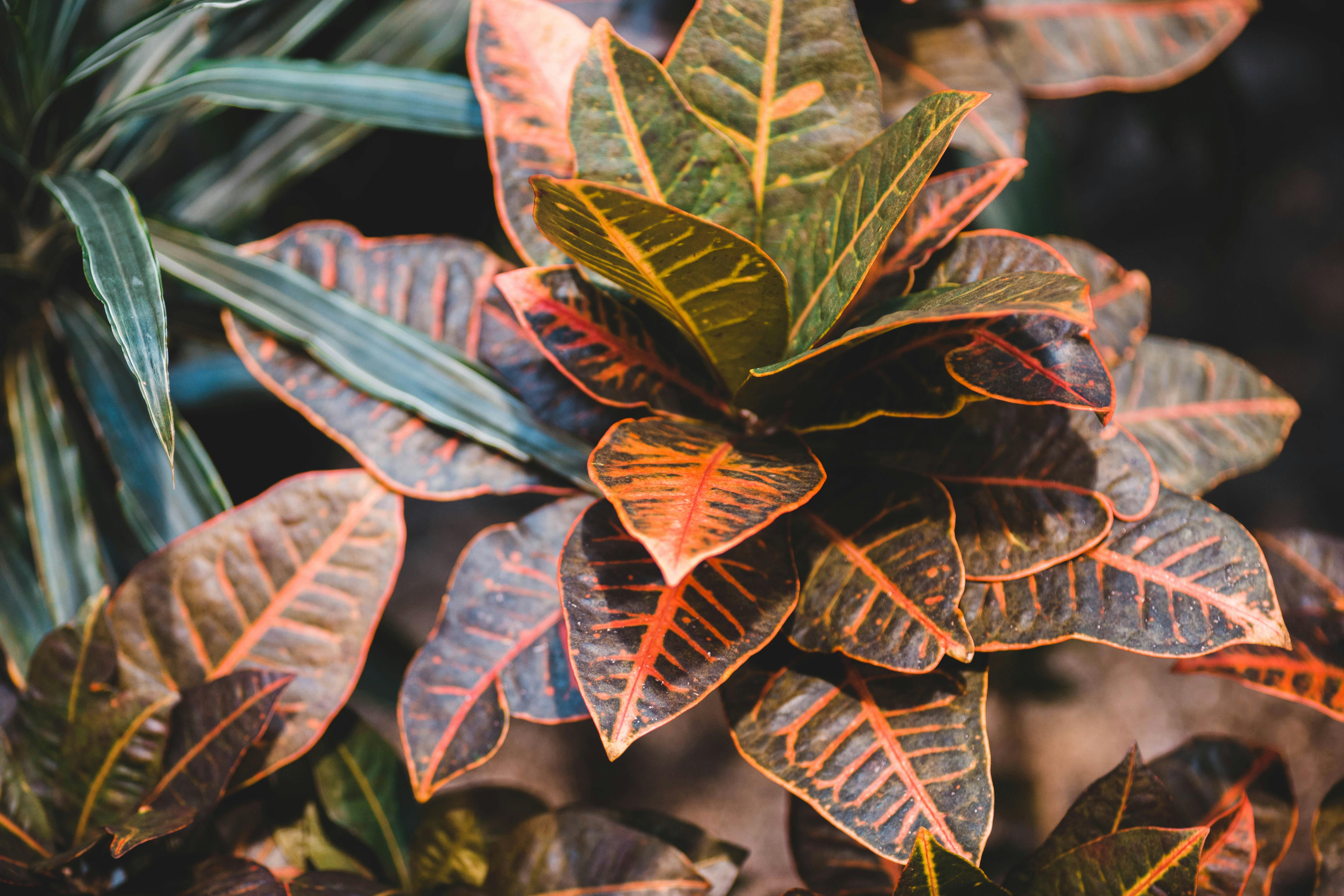
When I purchased my first croton — a Codiaeum variegatum 'Petra' with leaves striped in red, orange, yellow, and dark green — I drove it home from the nursery, set it on my kitchen counter, and watched it drop eight leaves over the next four days. I hadn't done anything wrong per se; the plant was simply reacting to the change in environment with characteristic drama. Crotons are among the most visually spectacular houseplants available, with foliage coloration that rivals tropical birds, but they are equally among the most sensitive to environmental changes. Understanding what they need — and giving it consistently — is the key to keeping those extraordinary colors vivid and the leaves firmly attached.
Light: The Key to Color Intensity
Crotons' vivid leaf coloration is directly dependent on adequate light. The reds, oranges, and yellows in Codiaeum variegatum leaves are produced by pigments that intensify in response to bright light — move a croton to a dim location and the colors fade toward muted green within weeks. For maximum color, place crotons in your brightest indirect light: within two to three feet of a south-facing window, or in front of an east window receiving several hours of morning sun. Brief periods of gentle direct sun are actually beneficial for color intensity, unlike many other tropical houseplants.
However, harsh afternoon sun through an unshaded west or south window in summer can cause leaf scorch — brown, dry patches that are permanent. A sheer curtain provides the necessary protection while maintaining the bright conditions crotons need. In winter in northern states, moving crotons slightly closer to windows or supplementing with a grow light helps prevent the color fading that occurs in low-light winter conditions. The Spruce's tropical foliage resources note that adequate light is the primary factor distinguishing vividly colored crotons from their washed-out, poorly lit counterparts.
Why Crotons Drop Leaves and How to Prevent It
Crotons are famously reactive to change. Any significant shift — being moved to a new location, changes in temperature or humidity, repotting, drafts from air conditioning or heating systems, or even being transported from a nursery — triggers defensive leaf drop. This is a physiological stress response, and it's not always a sign that the plant is dying. In many cases, a croton that drops leaves after purchase simply needs four to six weeks to acclimatize to its new environment before stabilizing and beginning to produce new growth.
The keys to minimizing leaf drop are: choose the plant's permanent location before purchasing and don't move it again; keep it away from exterior doors, air conditioning vents, and heating vents; maintain consistent humidity above 50%; and water consistently — drought stress and overwatering both trigger drop. Missouri Botanical Garden's croton cultivation notes confirm that environmental consistency is more important than any single care factor for preventing croton leaf drop.
Watering, Humidity, and Soil
Crotons are thirstier than many tropical houseplants — their large, multi-lobed leaves transpire significant amounts of water, especially in bright, warm conditions. Water when the top inch of soil dries, roughly every five to seven days during the growing season in a bright, warm room. Reduce to every ten to fourteen days in winter. Always use room-temperature water; cold tap water shocks the roots of this humidity-loving tropical plant.
Humidity above 50% is important for crotons — below 40%, leaf edges begin to brown and crisp, and spider mite infestations become more likely (dry air favors these pests). A small humidifier nearby is the most practical solution. Misting provides temporary benefit but isn't sufficient for sustained high humidity. Use a well-draining potting mix to prevent root rot while retaining adequate moisture. Fertilize monthly during spring and summer with a balanced liquid fertilizer at half strength.
Pest Management for Crotons
Crotons in dry conditions are magnets for spider mites — tiny arachnids that create fine webbing on leaf undersides and cause stippling (tiny yellow dots) on the leaf surface. Increasing humidity is the first line of prevention. Treat active infestations by showering the plant (covering the pot to prevent soil saturation) to dislodge mites, followed by weekly applications of insecticidal soap or diluted neem oil to all leaf surfaces, including undersides. For comprehensive pest management across your collection, see our complete guide to houseplant pest identification and treatment. For related sticky residue signs of pest activity, check our sticky leaves diagnostic guide.
Common Mistakes to Avoid
- Moving the plant frequently: Every relocation triggers a stress response and potential leaf drop. Choose the location first, then buy.
- Cold drafts and air conditioning: Crotons are tropical and highly sensitive to temperatures below 60°F (15°C) and cold air movement.
- Placing in insufficient light: Colors fade rapidly in low light. Bright indirect light minimum; some direct morning sun is beneficial.
- Letting soil dry completely: Unlike cacti, crotons need consistent moisture. Don't allow the soil to go bone dry between waterings.
- Ignoring spider mites in dry conditions: Check leaf undersides monthly. Early detection prevents the explosive population growth that can defoliate a plant.
Quick Reference Croton Care Table
| Factor | Ideal Condition |
|---|---|
| Light | Bright indirect + some morning direct; south/east window |
| Water | Top inch dry; every 5–7 days in growing season |
| Soil | Well-draining potting mix; avoid compaction |
| Humidity | 50–70%; humidifier recommended |
| Temperature | 60–85°F (15–29°C); no below 55°F |
| Fertilizer | Balanced liquid, half-strength, monthly spring/summer |
| Stability | Avoid moving; choose permanent location before purchase |
| Toxicity | All parts toxic to humans, cats, and dogs |
Frequently Asked Questions
How long does it take for a croton to stop dropping leaves after being moved?
Most crotons stabilize within four to six weeks of being placed in their permanent location, provided the conditions are adequate. During this acclimatization period, continue normal care, resist the urge to move it again, and wait. New leaf production is the sign that acclimatization is complete. If leaf drop continues beyond six weeks, evaluate light, humidity, and watering consistency — ongoing drop usually indicates an environmental problem rather than continued acclimatization stress.
Can I put my croton outside in summer?
Yes — summer outdoor placement in a sheltered, bright spot (bright shade to filtered sun) promotes exceptional color intensity and growth. Acclimatize gradually by placing in shade for the first week before moving to brighter conditions. Bring back indoors well before nighttime temperatures drop below 60°F (15°C) in fall. The transition back indoors will likely cause some leaf drop — this is normal and temporary. Outdoor summers are one of the best ways to build a large, full croton with extraordinary color.
Why are my croton's new leaves green instead of colorful?
New croton leaves emerge green and develop their full coloration as they mature and are exposed to light — this is entirely normal. If leaves remain predominantly green after maturity (two to four weeks), the plant needs more light. Increase light intensity or duration, and the next flush of new leaves should show more vivid pigmentation. Consistent bright indirect light with some direct sun is the most reliable way to maintain the red, orange, and yellow pigments that make crotons distinctive.
Crotons are unapologetically dramatic plants — they communicate stress loudly, demand stability, and reward good conditions with foliage that looks almost impossibly vivid. Give them a permanent bright spot, consistent moisture, and high humidity, and they'll transform into showstoppers. Share your croton stories or questions in the comments below.

About the Author
Sage Avery is a passionate gardener and plant enthusiast sharing tips for a greener life.