DIY Self-Watering Planter: Keep Plants Hydrated Between Waterings
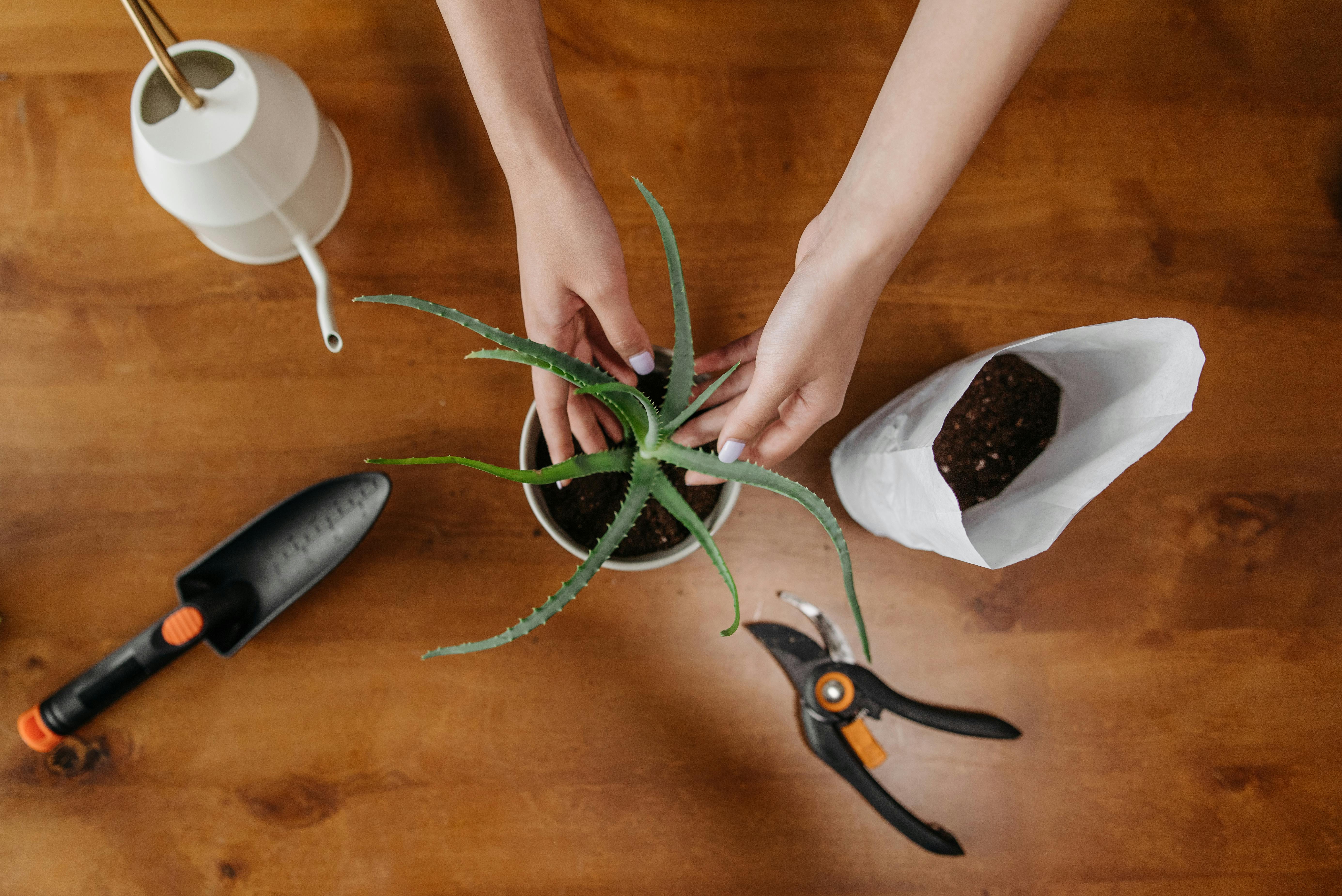
Self-watering planters solve a genuine problem: the main reason houseplants die is inconsistent watering, and a self-watering system eliminates the guesswork by providing constant moisture at the root zone. You can buy them, but building one from materials you likely already have takes about twenty minutes and works at least as well as commercially available options. Here's how to make one that works.
How Self-Watering Planters Work
A self-watering planter has two chambers: an upper pot that holds the plant and growing medium, and a lower reservoir that holds water. A wick or direct soil contact between the two draws water upward through capillary action as the plant's roots absorb moisture and the soil dries slightly. The plant drinks at its own pace rather than being watered on a schedule, which dramatically reduces both overwatering (a common error) and underwatering (when you forget). Most self-watering systems last five to fourteen days between refills, depending on plant size, temperature, and light levels.
The Two-Bottle DIY Method
The simplest version uses two plastic bottles: a large one for the reservoir and a smaller one that fits inside it for the pot, or you can use a single large bottle cut in half. Cut a 2-liter bottle in half. Invert the top half into the bottom half — the bottle neck will sit down into the water reservoir below. Poke several small holes in the bottle cap or remove it entirely. Feed a strip of cotton fabric or a paper towel wick through the bottle neck into the water below.
Fill the inverted top section with potting mix and plant your cutting or seedling. Fill the bottom reservoir with water to about 2–3 cm below where the inverted bottle neck sits. The wick draws water up into the potting mix continuously. Top up the reservoir through the gap between the two bottle halves. This works especially well for seedlings, herbs, and smaller houseplants.
The Two-Pot Method (Better for Established Plants)
For established plants in standard pots, drill or punch a drainage hole in the bottom of your existing pot if it doesn't have one — just one small hole, not several. Choose a second, larger container to serve as the reservoir. The outer container should be deep enough to hold at least 3–5 cm of water below where the inner pot sits. Cut a length of cotton rope or an old shoelace 20–25 cm long and thread it up through the drainage hole, leaving about half inside the pot and half hanging below. Fill the inner pot with potting mix around the wick and plant as normal. Set the inner pot into the outer container, pour water into the outer container to the appropriate level, and the wick maintains moisture.
Choosing the Right Potting Mix
Standard potting mix works but dense or heavy mixes can wick poorly. A mix of 50% potting soil and 50% perlite or coconut coir wicks water more effectively and prevents the waterlogging that can occur when the capillary system overshoots. Avoid heavy garden soil entirely — it compacts around roots in containers and wicks inconsistently. The goal is a mix that stays evenly moist throughout without becoming saturated.
Best Plants for Self-Watering Systems
Plants that prefer consistently moist soil benefit most: African violets (a classic self-watering candidate), pothos, peace lilies, ferns, herbs like basil and mint, lettuce, tomatoes, and most tropical foliage plants. Succulents and cacti are the exception — they need periods of complete dryness and will rot in a self-watering system that maintains constant moisture. If you grow drought-tolerant plants, stick with standard pot and saucer setups and adjust your watering schedule.
Maintaining Your Self-Watering Planter
Refill the reservoir before it runs completely dry — running the wick dry can cause it to stop wicking effectively even after water is added. Flush the soil with fresh water from the top every four to six weeks to prevent mineral salt buildup from fertilizers, which can damage roots over time. If you notice the soil staying wet too long, the drainage holes in the inner pot may be too large or the reservoir too deep — adjust accordingly. Check the wick every six months; cotton wicks decompose over time and may need replacing with a fresh strip.

About the Author
Sage Avery is a passionate gardener and plant enthusiast sharing tips for a greener life.