Drought Tolerant Houseplants: Best for Forgetful Plant Parents
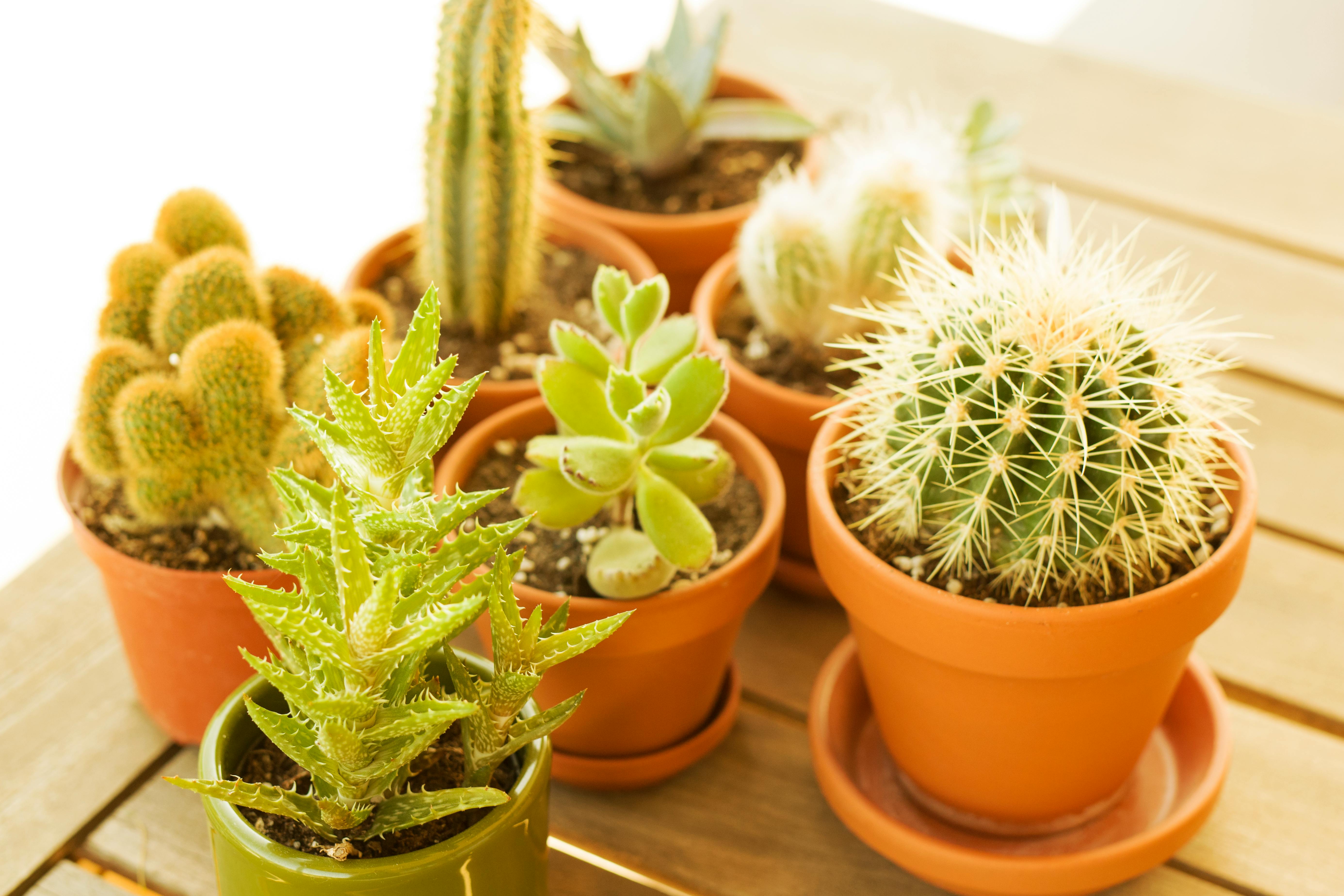
Not everyone who wants houseplants has the memory or routine to water them consistently — and that's fine. Some of the most attractive and architectural houseplants are genuinely built for neglect, storing water in thick leaves, stems, or roots that can sustain them through weeks without attention. These plants don't just tolerate drought; many actively suffer from overwatering, making them perfect for irregular caretakers.
What "Drought-Tolerant" Actually Means
Drought tolerance in houseplants comes from several different adaptations. Succulents store water in fleshy leaves and stems; they can survive weeks or months without watering by drawing on these internal reserves. Cacti store water in their thick, ribbed bodies and have reduced or absent leaves (the spines are modified leaves) to minimize water loss. Some plants — like ZZ plants and hoyas — store water in thick rhizomes or waxy leaves rather than traditional stem tissue. Others, like snake plants, use CAM photosynthesis, which minimizes water loss by only opening their stomata at night rather than during the day. Understanding which type your plant is helps you water appropriately rather than simply infrequently.
Best Drought-Tolerant Houseplants
Snake plant (Dracaena trifasciata): The benchmark for low-maintenance. It stores water in its thick, rigid leaves and can survive a month or more without water if given good light. Water only when the soil is completely dry, which in typical indoor conditions means every three to six weeks in winter and every one to three weeks in summer. Avoid cold drafts — the one thing that damages snake plants reliably.
ZZ plant (Zamioculcas zamiifolia): The ZZ stores water in fat, potato-like rhizomes underground, making it extraordinarily drought-resistant. It also tolerates low light better than almost any other plant, which makes it particularly suited to offices and rooms with poor light. Water every three to four weeks, allowing the soil to dry completely between sessions.
Echeveria and other rosette succulents: Compact, colorful, and almost self-maintaining in a bright windowsill. Water thoroughly but infrequently — once a month in winter, once every two to three weeks in summer. The worst thing you can do to an echeveria is let it sit in a saucer of standing water.
Aloe vera: Practical as well as attractive — the gel from broken leaves soothes minor burns. Aloe wants very bright light and watering once every three to four weeks in summer, much less in winter. Use a very fast-draining cactus mix and a terracotta pot; aloe in dense potting mix or plastic pots almost always develops root rot.
Haworthia: Small, architectural, and content with less light than most succulents. Haworthias survive in east or north-facing windowsills — a major advantage over echeverias, which need full sun. Water every two to three weeks in summer, once a month in winter.
Hoya (wax plant): Hoya's thick, waxy leaves retain moisture well, and established plants in bright indirect light can go two to three weeks between waterings. They also flower — producing clusters of star-shaped blooms with an intense, sweet fragrance — once they're mature and root-bound.
Potting Mix and Container Choice
Drought-tolerant plants are killed most often by well-intentioned overwatering, and the wrong pot or mix dramatically increases this risk. Use terracotta pots rather than plastic or glazed ceramic — terracotta breathes and wicks moisture away from the root zone, creating the dry-down period these plants need. Use a dedicated cactus and succulent mix or amend standard potting mix with 50% perlite or coarse sand. Avoid pots without drainage holes; standing water in the bottom of a pot will rot any drought-adapted plant eventually, regardless of how infrequently you water from the top.
Watering When You Finally Remember
When you do water drought-tolerant plants, water thoroughly — not a few drips, but a full soak until water runs from the drainage holes. Then let the soil dry completely before watering again. This deep-but-infrequent pattern mimics desert rainfall and is far healthier than small, frequent waterings that keep the top inch of soil perpetually damp while the lower root zone dries to dust. Bottom watering — setting the pot in a tray of water and letting it absorb upward — is particularly effective for succulents because it encourages roots to grow downward toward moisture.
About the Author
Sage Avery is a passionate gardener and plant enthusiast sharing tips for a greener life.