Fast Growing Indoor Plants: Fill Space and See Progress Quickly
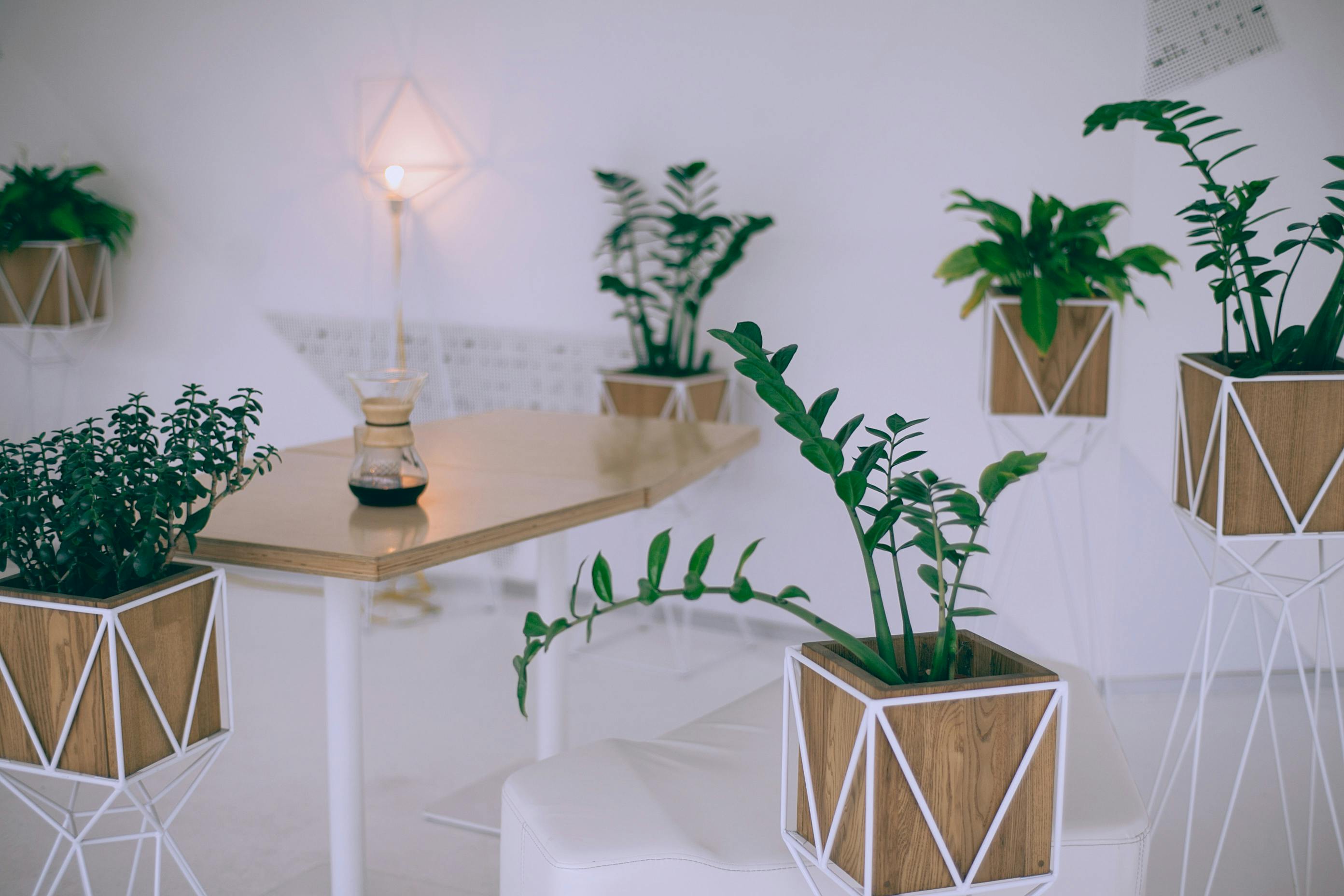
One of the most common frustrations with houseplants is the feeling that nothing is happening. You water, you position carefully, and the plant just sits there looking exactly the same for months. Fast-growing indoor plants fix this — some add visible new leaves weekly, trail meters in a single season, or grow tall enough to fill a corner in a year. For new plant owners, this visible progress is also genuinely motivating.
What Drives Indoor Plant Growth
Indoor plant growth is primarily limited by light, not water or fertilizer. Most indoor environments receive a fraction of the light levels plants evolved for — even a bright south-facing window in winter receives less light than a shaded spot outdoors in summer. Fast-growing houseplants tend to be those that evolved in forest environments where fast growth toward light was an advantage, and that can make do with the diffuse, limited light of an indoor setting. Temperature also matters: most tropical plants slow significantly below 65°F (18°C) and accelerate in temperatures above 70°F (21°C).
Fastest-Growing Trailing Plants
Pothos (Epipremnum aureum) is the standard by which indoor growth rates are measured. In good bright indirect light, a single pothos can add 30–60 cm of new growth per month during summer, trailing from a shelf in dramatic fashion within a few months. It propagates easily — cut just below a node and place in water for a month — and roots so readily that new plants can be trailing within six weeks of propagating. Golden, Marble Queen, Neon, and N-Joy are all fast growers; Pearl and Jade is slightly slower.
Tradescantia is arguably faster than pothos in good light. Tradescantia zebrina (inch plant) and Tradescantia pallida (purple heart) both trail aggressively, fill hanging baskets quickly, and pinch back easily when they get leggy. The leaves are more delicate than pothos — they bruise if handled roughly — but the growth rate in a bright location is remarkable.
Fast-Growing Upright Plants
Monstera deliciosa adds one to two large leaves per month in good conditions — and each new leaf is typically larger than the last, with more dramatic fenestration (holes) as the plant matures. It can grow from a small tabletop plant to a dramatic floor specimen in a single growing season given bright indirect light and regular fertilizing. Stake it with a moss pole to encourage vertical growth and larger leaves. Our Monstera propagation guide covers how to make more from what you have.
Philodendron hederaceum (heartleaf philodendron) is nearly as fast as pothos and is similarly unfussy about light. In bright conditions it trails enthusiastically or climbs a moss pole, adding new heart-shaped leaves continuously through the growing season.
Dracaena marginata grows more slowly than tropical foliage plants but adds noticeable height through the season. In bright light with regular watering and monthly fertilizing, it can add 30–50 cm in a year — significant for an architectural accent plant.
Fast-Growing Plants for Empty Corners
For filling floor-level space quickly, Fiddle-leaf figs are often cited but are slow and temperamental indoors. Better choices: Bird of paradise (Strelitzia nicolai) grows large paddle-shaped leaves and puts on significant height in a bright spot. Arrowhead plant (Syngonium podophyllum) grows quickly and trails or climbs depending on how it's supported. Rubber plant (Ficus elastica), given bright indirect light and monthly feeding, adds one to two new leaves per month and grows tall reliably.
How to Maximize Growth Rate
Move your plants to the brightest spot available — or add a grow light if your space is dim. Fertilize monthly during the growing season (spring through early fall) with a balanced liquid fertilizer diluted to half strength. Keep the temperature above 65°F (18°C). Repot a pot-bound plant into a container one size larger: roots circling the pot surface or emerging from drainage holes signal that it's time. A root-bound plant stops growing until it has more room. Remove dust from large leaves with a damp cloth — dirty leaves are less efficient at photosynthesis, which directly slows growth.
About the Author
Sage Avery is a passionate gardener and plant enthusiast sharing tips for a greener life.