Fern Turning Brown: Why It Happens and How to Bring It Back
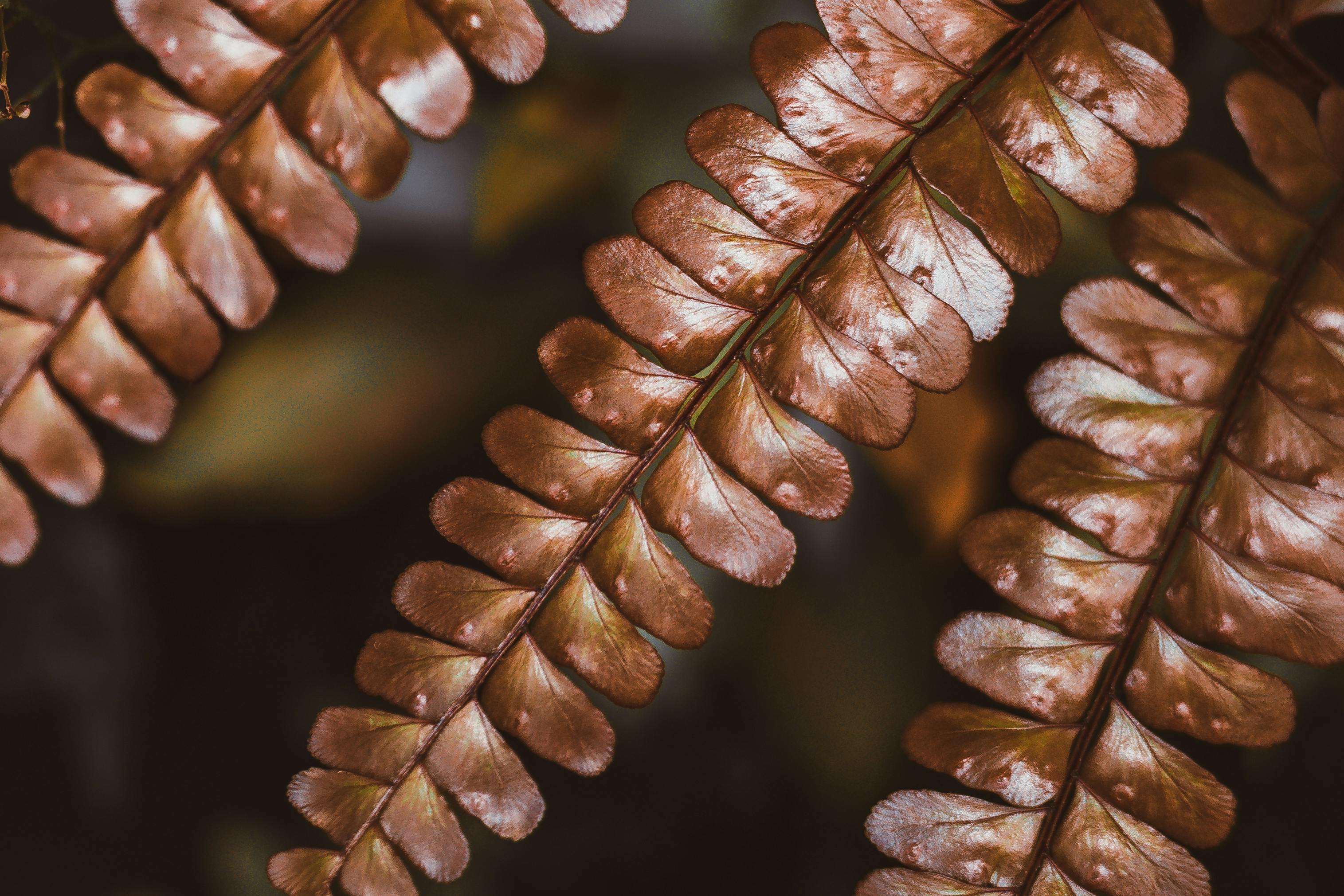
The first time my Boston fern started turning brown at the tips, I did what most beginners do: I watered it more. The browning spread. I watered it more. By the time I actually diagnosed the problem, the entire outer third of the plant was brown and crispy, and the inner fronds were beginning to yellow from root stress. The culprit wasn't underwatering at all — it was my forced-air heating system, which had dropped my apartment's humidity to under 20% by January. That single environmental factor was responsible for the most dramatic fern decline I'd witnessed, and it taught me that when ferns turn brown, you need to think through multiple possible causes before reaching for the watering can. Here's everything I've learned about diagnosing and fixing a browning fern.
Why Ferns Turn Brown: The Main Causes
Indoor ferns — particularly Boston ferns (Nephrolepis exaltata), maidenhair ferns (Adiantum species), and bird's nest ferns (Asplenium nidus) — are among the most humidity-dependent houseplants you can grow. They evolved in moist, humid environments — forest floors, tropical understories, and shaded stream banks — and their delicate frond structure loses moisture rapidly in dry air. There are five primary causes of browning in indoor ferns, and they often overlap:
- Low humidity — the most common culprit, especially in winter with forced-air heating
- Inconsistent or insufficient watering — ferns do not tolerate drought; even brief dry-outs cause frond tip death
- Overwatering and root rot — soggy soil causes yellowing that progresses to brown collapse
- Direct sun exposure — scorches delicate fronds rapidly, producing brown patches rather than brown tips
- Fluoride and salt sensitivity — tap water fluoride and accumulated fertilizer salts cause tip burn over time
Understanding which cause is at work guides the right solution. Tip browning starting at the leaf edges typically points to humidity or watering issues. Brown patches in the middle of fronds suggest sun damage. Browning that starts at the base and progresses upward usually indicates root rot. According to the Missouri Botanical Garden's indoor plant troubleshooting resources, low humidity is the single most frequently misdiagnosed cause of fern decline, largely because it produces symptoms that look identical to underwatering.
Low Humidity: The Most Common Culprit
Most indoor ferns prefer humidity levels between 50–80% — significantly higher than the 30–50% that characterizes most North American homes and dramatically higher than the 15–25% common in heated winter apartments. My apartment drops to below 25% humidity by mid-January, and without active humidity management, every fern I've grown has declined noticeably from November onward.
The solutions that actually work, ranked by effectiveness:
- Ultrasonic humidifier: The most effective option. A small humidifier placed within two to three feet of your fern, running for several hours daily, makes a measurable difference within a week.
- Humidity tray: Fill a shallow tray with pebbles and water; place the pot on top of the pebbles above the waterline. As water evaporates, it raises local humidity around the plant. Less effective than a humidifier but helpful as a supplement.
- Plant grouping: Plants transpire moisture from their leaves, raising local humidity collectively. Grouping your fern with several other plants creates a more humid microenvironment.
- Misting: Misting provides only brief, temporary humidity boosts (lasting 30–60 minutes) and can promote fungal disease if fronds stay wet. I don't recommend it as a primary humidity strategy.
Gardening Know How's houseplant humidity guide provides additional context on effective humidity management strategies for moisture-loving indoor plants, including specific product types and placement recommendations.
Watering Issues: The Double-Edged Problem
Ferns want consistently moist soil — not wet, not dry, but consistently and evenly moist. The ideal watering rhythm: check the top half-inch of soil daily (or every other day), and water whenever it begins to feel dry. Never allow the soil to dry out completely — unlike succulents or many tropical houseplants, ferns have shallow root systems with very limited drought tolerance. Even a few days of dry soil can cause frond tips to brown irreversibly.
At the same time, ferns don't tolerate waterlogged soil or pots without drainage. Soil that stays wet for more than a week — whether due to poor drainage, an oversized pot, or too-frequent watering — causes root rot, which produces yellowing and browning that progresses from the base of the plant outward. If your fern's browning is accompanied by a sour smell from the soil or mushy stems at the base, root rot is the likely culprit.
One practical tip that's dramatically improved my fern-watering accuracy: use a moisture meter. Insert the probe into the center of the root ball — the surface can be dry while the center remains saturated, and watering based on surface feel alone leads to chronic overwatering with ferns. The Spruce's houseplant care section recommends moisture meters specifically for ferns and other high-moisture plants where soil assessment by touch is frequently misleading.
Water quality also matters. Ferns are sensitive to fluoride and chlorine in tap water. Switching to filtered or distilled water, or allowing tap water to sit uncovered overnight before use, can meaningfully reduce tip browning caused by chemical sensitivity — particularly for maidenhair ferns, which are the most sensitive of the commonly grown varieties.
How to Bring a Browning Fern Back
If your fern is already significantly browned, here's the recovery protocol I've used successfully:
- Trim all brown fronds at the base. Brown fronds will not recover. Removing them improves airflow, reduces disease risk, and allows the plant to direct energy into new growth.
- Check and address the root system. Unpot the plant and examine the roots. Trim any dark, mushy, or rotten roots and repot in fresh, well-draining mix.
- Relocate to bright indirect light. Most ferns prefer medium to bright indirect light — not direct sun, not a dim corner. An east-facing windowsill or a position two to four feet from a south-facing window is ideal.
- Boost humidity aggressively. Deploy a humidifier within two to three feet of the plant. This is the single highest-impact intervention for most browning situations.
- Establish consistent watering. Check soil moisture every one to two days and water when the top half-inch becomes dry. Switch to filtered or distilled water if tip burn is ongoing.
- Be patient. Brown fronds won't turn green again, but new healthy fronds will emerge within two to four weeks once conditions improve.
For more guidance on managing humidity for all your moisture-loving houseplants, see our guide on how to increase humidity for indoor plants. We cover every method from humidifiers to pebble trays with tested effectiveness rankings.
Common Mistakes That Make Fern Browning Worse
- Increasing watering when humidity is the real problem: Watering more in response to tip browning can push the plant into root rot without addressing the actual cause.
- Placing near heating or air conditioning vents: Moving air from HVAC vents dramatically accelerates moisture loss from fronds. Ferns should never be within three feet of a vent.
- Leaving brown fronds in place: Dead fronds invite fungal disease and pests. Remove them promptly.
- Using tap water in hard-water areas: High fluoride and mineral content in tap water contributes to chronic tip burn in sensitive fern varieties.
- Placing in direct sun: Even an hour of direct midday sun will cause rapid, irreversible browning in Boston and maidenhair ferns.
Quick Reference Care Table
| Care Factor | Requirement |
|---|---|
| Light | Bright to medium indirect; no direct sun; east-facing window ideal |
| Water | Keep consistently moist; check every 1–2 days; never allow complete dry-out |
| Soil | Well-draining, moisture-retentive potting mix; add peat or coco coir for moisture retention |
| Humidity | 50–80% preferred; use humidifier in winter; avoid heating/AC vents |
| Temperature | 60–75°F (15–24°C); avoid cold drafts and temps below 55°F |
| Water Quality | Filtered or distilled preferred; room-temperature tap water acceptable if left overnight |
| Fertilizer | Diluted balanced fertilizer at quarter strength, monthly in growing season only |
| Most Common Brown Cause | Low humidity, especially in winter with forced-air heat |
Frequently Asked Questions
Can brown fern fronds turn green again?
No — once a frond is brown and dry, that tissue is dead and will not recover its green color. The right approach is to remove brown fronds cleanly at their base, address the underlying cause (most commonly low humidity or inconsistent watering), and allow the plant to produce new healthy growth from the crown. New fronds in good conditions will emerge within two to four weeks.
Why is my maidenhair fern harder to keep alive than my Boston fern?
Maidenhair ferns (Adiantum species) are significantly more sensitive than Boston ferns to low humidity, inconsistent watering, temperature fluctuations, and tap water fluoride. They require humidity above 60%, soil that is never allowed to dry even slightly, and filtered water — conditions that are challenging to maintain consistently in most homes. Boston ferns and bird's nest ferns are considerably more forgiving and are better choices for beginners.
Is it okay to put my fern in a bathroom?
Bathrooms are often excellent locations for ferns precisely because shower steam keeps humidity levels elevated. The key requirements: the bathroom must have a window providing adequate indirect light (even a frosted-glass window providing bright diffused light works well), and temperatures must remain consistently above 60°F. A bathroom with no window is not suitable — the light deficiency will override any humidity benefit.
Reviving a browning fern is one of the most satisfying plant rescues you can accomplish, and the knowledge you gain in the process applies directly to every other moisture-loving plant you'll ever grow. Start with the humidity, address the watering consistency, and give the plant time to push out new growth — it will get there. Browse our guide to the best ferns for indoor growing if you're ready to find a variety better matched to your home's natural conditions, and let us know in the comments whether your fern recovery worked — we'd love to hear what made the difference.

About the Author
Written by Sage Avery, a plant care writer at Plant Companion Guide. For how we create and update content, see our editorial policy.