Fertilizing Outdoor Container Plants: Why Pots Need More Feeding
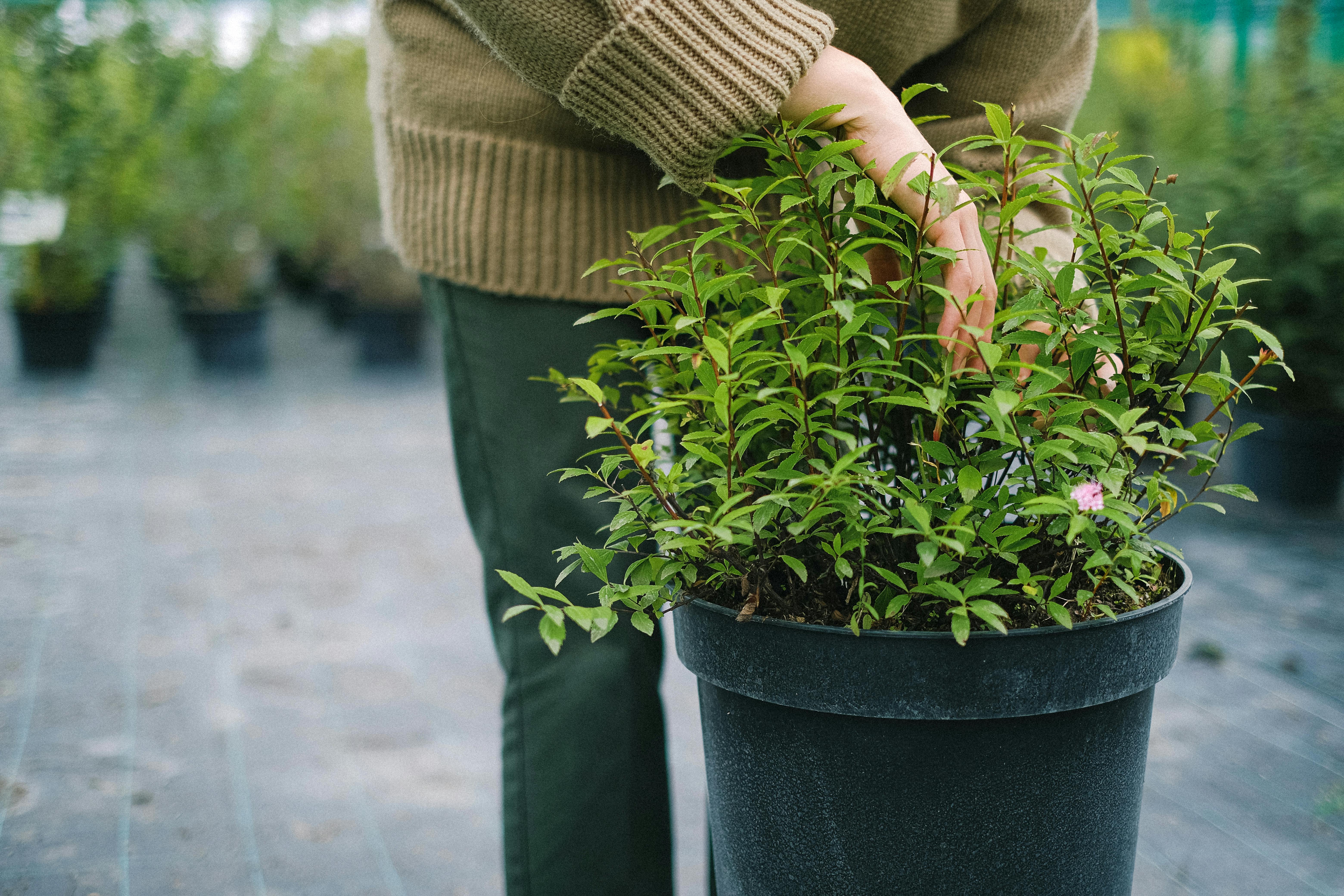
Container plants are fundamentally different from plants in the ground, and fertilizing them requires a different approach than you'd use in a garden bed. Most people either under-fertilize their containers (leading to pale, slow-growing plants) or fertilize incorrectly (leading to salt burn or sudden nutrient toxicity). Understanding why containers need more frequent feeding than the ground makes all the rest of the guidance make sense.
Why Containers Deplete Nutrients Faster
In the ground, plant roots can extend many feet in search of nutrients. They also benefit from the ongoing decomposition of organic matter, soil microbial activity, and slow mineral weathering — processes that continually release new nutrients into the root zone. In a container, roots are restricted to the volume of the pot, and the potting mix has a fixed supply of nutrients. Commercial potting mixes are typically formulated with enough slow-release fertilizer to support plant growth for six to twelve weeks — after that, the nutrients in the mix are largely depleted. Every time you water, you also flush a small amount of dissolved nutrients out through the drainage holes, accelerating depletion further.
Outdoor container plants face an additional challenge: they grow faster than indoor plants (more light, more temperature variation, often wind) and therefore consume nutrients faster. A containerized tomato or annual flower growing in full sun can deplete a pot's original nutrient supply in four to six weeks, even if the potting mix was fresh at the start of the season.
When to Start Fertilizing
If you're starting with a fresh bag of commercial potting mix, wait six to eight weeks before applying additional fertilizer — the slow-release granules in the mix are already feeding your plants and adding more immediately can cause fertilizer burn. If you're reusing potting mix from a previous season (which is fine for one or two seasons), start fertilizing four to six weeks after planting or when you see the first signs of pale new growth. Container trees and shrubs that have been in the same pot for more than a year should be fertilized as soon as growth resumes in spring.
Choosing a Fertilizer for Containers
For annuals and vegetables with high nutrient demand, liquid fertilizers work best because they're immediately available and can be applied at watering time without risk of burning foliage when used at the correct dilution. A balanced water-soluble fertilizer — 20-20-20 or similar — applied at half the manufacturer's recommended rate every two weeks is a reliable approach. For containers where you want to encourage flowering and fruiting over leafy growth, switch to a fertilizer with a higher middle number (phosphorus) or higher third number (potassium) once plants are established.
Slow-release granular fertilizers (Osmocote is the most widely available) are useful for low-maintenance containers — you sprinkle them on the soil surface and they release nutrients gradually over three to six months. They're less precise than liquid feeding but require less attention. Many growers use slow-release as a baseline with occasional liquid supplementation during peak growing season.
Signs of Under- and Over-Fertilizing
Under-fertilizing: pale green or yellowing leaves (especially older ones), slow or stunted growth, small flowers or early flower drop, and leaves that are smaller than typical for the species. The yellowing tends to start with older leaves and progress upward as the plant reallocates limited nitrogen. Over-fertilizing or salt buildup: crusty white deposits on the soil surface or outside of terracotta pots, brown leaf tips and edges, wilting that doesn't improve after watering, and stunted growth despite what appears to be adequate nutrition. If you suspect salt buildup, flush the pot thoroughly — run water through it until it drains freely from the bottom — and allow it to drain completely before the next watering.
Practical Container Fertilizing Schedule
For flowering annuals and vegetables in containers: liquid fertilizer at half strength every seven to ten days through the growing season. For established perennials, shrubs, and trees in containers: balanced slow-release granules applied in spring when growth resumes, supplemented with liquid feeding every two to three weeks during active growth. For tropicals and foliage plants overwintered in containers: fertilize lightly (half-strength, monthly) through winter when growth slows, increase to full strength and more frequent applications when new growth accelerates in spring. Always water before fertilizing if the soil is dry — applying fertilizer to dry root systems concentrates salts and can burn roots.
About the Author
Sage Avery is a passionate gardener and plant enthusiast sharing tips for a greener life.