Fiddle Leaf Fig Care: A Beginner-Friendly Guide to Fewer Dropped Leaves
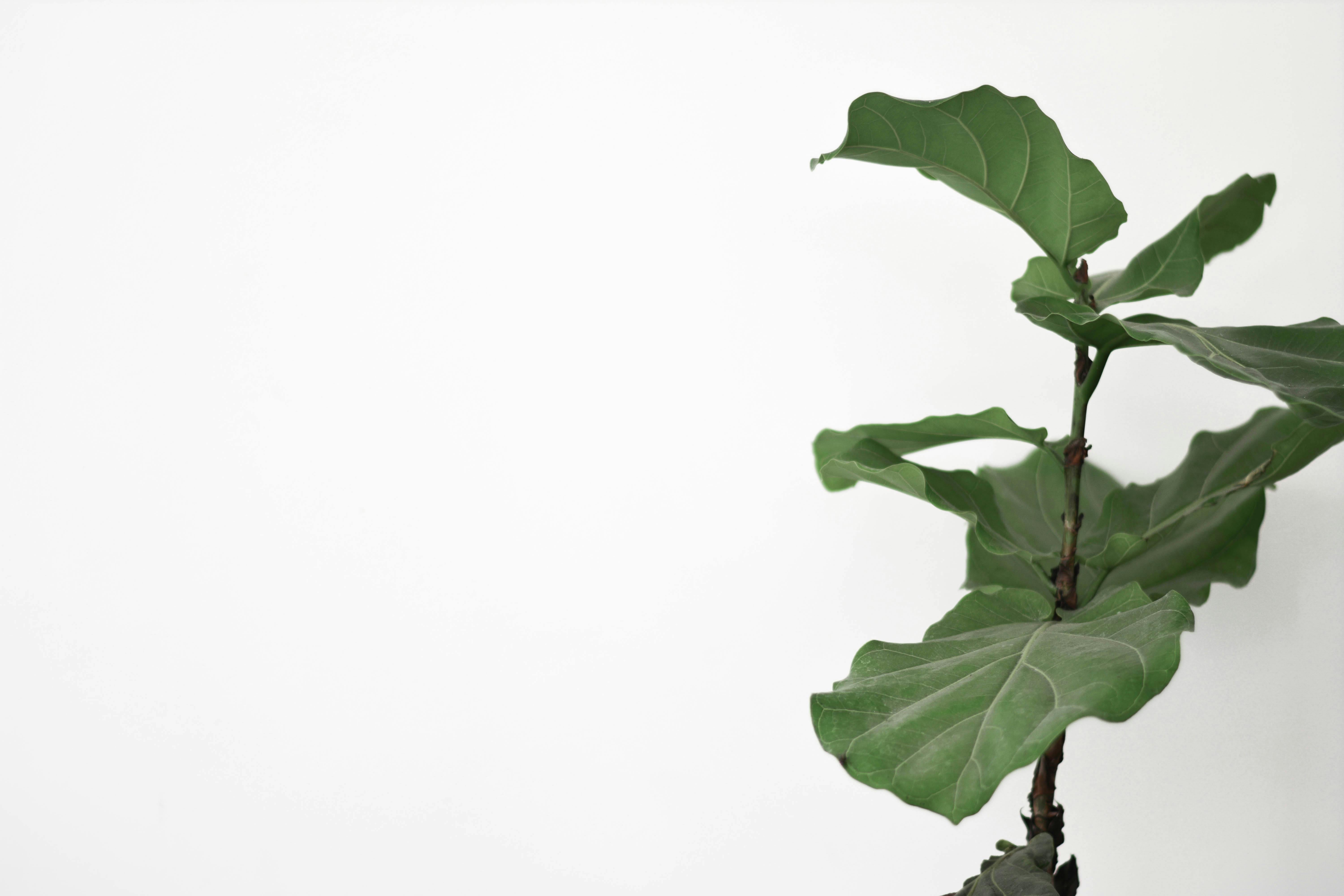
I killed my first fiddle leaf fig within three months by moving it to four different spots in my apartment, trying to find the perfect position. Each move triggered a new round of leaf drop. Each new round of leaf drop made me convinced the current position was wrong, so I moved it again. By the time I understood what I was doing, the plant had gone from a full, leafy eight-leaf specimen to a sad two-leaf stick in a pot. The fiddle leaf fig (Ficus lyrata) has a well-earned reputation for drama, but the majority of that drama is caused by a small number of very preventable mistakes — and once you understand what this plant actually needs, it's a genuinely manageable houseplant. My current fiddle leaf fig has been in the same corner for two years, has added eleven new leaves, and has never looked better. Here's what made the difference.
Why Fiddle Leaf Figs Have a Reputation
Ficus lyrata is native to the tropical rainforests of western Africa, where it grows as a large canopy tree in warm, humid, relatively stable conditions. What makes it challenging as a houseplant is that it has a low tolerance for environmental inconsistency: it dislikes being moved, dislikes cold drafts, dislikes both overwatering and underwatering, and will express its displeasure about all of these things by dropping its large, distinctive leaves. The challenge isn't that the care requirements are complex — they're not. The challenge is that the consequences of getting it wrong are immediate and dramatic.
That said, thousands of home growers keep fiddle leaf figs alive and thriving for years. According to the Missouri Botanical Garden's indoor plant growing resources, the keys to consistent fiddle leaf fig success are stable positioning in high light, careful avoidance of overwatering, and protection from drafts — factors that are entirely within a home grower's control once they're understood.
Light: Non-Negotiable Bright Indirect Light
Fiddle leaf figs need the brightest indirect light your home can provide — ideally positioned near a south- or east-facing window where they receive several hours of bright, diffused light daily. My plant sits three feet from a south-facing window with a sheer curtain, which filters the direct midday sun while allowing intense indirect light to reach the plant for most of the day. In this position it produces one to two new leaves per month during the growing season — growth I had never seen when it was in lower-light positions.
Direct afternoon sun without diffusion can scorch fiddle leaf fig leaves, causing brown patches that appear suddenly in the area of the leaf closest to the light source. If this happens, move the plant back from the window or add a sheer curtain. In USDA Zones 4–6, winter light levels drop significantly — I supplement with a full-spectrum LED grow light from November through February to maintain consistent growth through the winter months. The USDA Plant Hardiness Zone Map is a useful reference for understanding how your location's seasonal light changes should affect your indoor plant care strategies.
The Placement Rule: Find a Spot and Commit
This is arguably the most important single piece of advice for fiddle leaf fig success: once you find a bright, appropriate position, do not move the plant — even to a spot that seems equally good. Fiddle leaf figs need several weeks to acclimate to a new environment, and every move resets that acclimation period and triggers stress-related leaf drop. Find your best spot first (near the brightest window, away from drafts and vents), put the plant there, and leave it there permanently.
Watering: Consistency Is Everything
Inconsistent watering — sometimes wet, sometimes dry, with no predictable rhythm — is the second-most common cause of fiddle leaf fig leaf drop after relocation stress. These plants want a consistent watering schedule tied to soil moisture rather than the calendar: water when the top inch or two of soil is dry, then water thoroughly until water runs from the drainage holes. In my experience, during the growing season that's every seven to ten days. In winter, that extends to every twelve to sixteen days as growth slows.
Both overwatering and underwatering produce brown spots on leaves, but they look different. Overwatering causes dark brown spots that are often mushy and appear first on the lower, older leaves, frequently accompanied by yellowing. Underwatering causes brown spots that are drier, appear at the leaf edges and tips, and affect the whole plant rather than just the lower portion. Root rot from overwatering is the harder problem to fix — if you suspect it, unpot the plant, trim rotted roots (they'll be dark and mushy), and repot in fresh, well-draining mix. Gardening Know How's detailed fiddle leaf fig troubleshooting guides provide an excellent visual reference for distinguishing the two types of leaf damage.
Soil, Feeding, Repotting, and Leaf Maintenance
Fiddle leaf figs grow best in a well-draining potting mix that retains moderate moisture without becoming compacted. I use a standard indoor potting mix amended with 20–25% perlite. This balances moisture retention and drainage effectively. Avoid mixes with a lot of bark or sand — fiddle leaf figs need slightly more moisture than desert plants but significantly less than tropical rainforest species like pothos or philodendron.
Fertilize once monthly during the growing season (March through September) with a balanced liquid fertilizer at half strength, or use a fertilizer specifically formulated for fiddle leaf figs — these typically have a slightly higher nitrogen ratio to support the large, lush foliage. Stop fertilizing in fall and winter. Never fertilize a stressed or recently relocated plant — this adds chemical stress to an already struggling root system.
Repot every one to two years, or when roots emerge from drainage holes. Move up only one to two pot sizes. Fiddle leaf figs that are dramatically pot-bound will stall in growth, but those in oversized pots face elevated root rot risk from excess soil moisture. After repotting, don't be surprised if the plant drops one or two leaves — some stress response is normal. For a detailed walk-through, see our guide on how to repot a fiddle leaf fig without triggering leaf drop.
Finally: wipe those leaves. The large leaf surface of a fiddle leaf fig collects dust rapidly, reducing photosynthetic efficiency and making the plant look dull. Wipe each leaf top and bottom with a damp cloth every three to four weeks. This is one of those small maintenance habits that produces a visibly healthier, more vigorous plant over time. The Spruce's indoor plant care resources highlight leaf cleaning as a frequently overlooked maintenance step for large-leafed tropical houseplants like fiddle leaf figs and rubber plants. Additional care ideas for companion plants in your indoor space can be found in our guide to the best large-leaf tropical houseplants for dramatic displays.
Common Mistakes with Fiddle Leaf Fig Care
- Moving the plant frequently: Every relocation triggers a new stress response and potential leaf drop. Commit to a bright spot and stay there.
- Inconsistent watering: Alternating between too wet and too dry causes the chronic leaf drop that gives fiddle leaf figs their difficult reputation. Check soil before every watering.
- Placing near heating or AC vents: Moving air and temperature fluctuations from HVAC systems cause rapid leaf drop. Keep the plant at least three feet from any vent.
- Low light positioning: A dim room produces slow growth, small new leaves, and a plant more susceptible to root rot because soil dries too slowly.
- Watering without checking drainage: Always ensure water runs freely from the drainage hole. A blocked drainage hole can cause chronic root saturation even with conservative watering.
Quick Reference Care Table
| Care Factor | Requirement |
|---|---|
| Light | Bright indirect; near south or east window; no extended direct afternoon sun |
| Water | When top 1–2 inches dry; every 7–10 days growing season, 12–16 days winter |
| Soil | Standard potting mix + 20–25% perlite; moderately moisture-retentive |
| Humidity | 30–65%; average home humidity adequate; avoid very dry forced-air conditions |
| Temperature | 60–85°F (15–29°C); avoid temperatures below 55°F and all cold drafts |
| Fertilizer | Balanced liquid at half strength, monthly, March through September only |
| Repotting | Every 1–2 years; 1–2 inches larger pot; avoid repotting in fall or winter |
| Outdoor USDA Zones | Zones 10–12 only (tropical climates) |
Frequently Asked Questions
How do I know if my fiddle leaf fig leaf drop is from overwatering or underwatering?
Overwatering typically produces dark brown spots that appear mushy or wet, usually starting on lower leaves, often accompanied by yellowing. The soil may smell sour. Underwatering produces drier brown spotting at leaf edges and tips, and the entire plant may look slightly wilted with dry, hard soil pulling away from pot edges. Check the soil first: if it's been wet for more than ten days, overwatering is the likely culprit; if bone dry, underwatering is the issue.
Can I put my fiddle leaf fig outdoors in summer?
Yes — in USDA Zones 4–9, fiddle leaf figs benefit significantly from spending summer outdoors in a sheltered spot with bright, dappled light (not full direct sun). The increased light intensity, fresh air circulation, and natural humidity often produce dramatically faster growth. Transition the plant gradually to outdoor conditions over two weeks, and bring it inside before nighttime temperatures drop below 55°F. Be aware that the return trip indoors will typically cause some leaf drop as the plant readjusts.
Why isn't my fiddle leaf fig growing new leaves?
A stalled fiddle leaf fig that isn't producing new growth is usually experiencing one or more of these conditions: insufficient light, root-bound conditions with depleted soil, recent relocation stress, or it's simply responding normally to winter's reduced light and temperature. Start by verifying your light position — a plant that's been in the same low-light spot for months may need to be moved closer to a window. If light is adequate and the plant is well-established, try fertilizing monthly through the growing season and check whether it's becoming root-bound.
Fiddle leaf figs reward the grower who commits — to a great light spot, to a consistent watering routine, and to the patience to let the plant acclimate rather than constantly problem-solving. Once you get that stability locked in, this is genuinely one of the most stunning plants you can have in a room. Explore our guide on the best large-leaf tropical houseplants for dramatic indoor displays for companion plants that share similar bright-light needs, and drop your fiddle leaf fig success story — or your biggest challenge — in the comments below. We've heard it all, and we're here to help.

About the Author
Written by Sage Avery, a plant care writer at Plant Companion Guide. For how we create and update content, see our editorial policy.