Hoya Care for Blooms: The 3 Conditions That Finally Got Mine to Flower
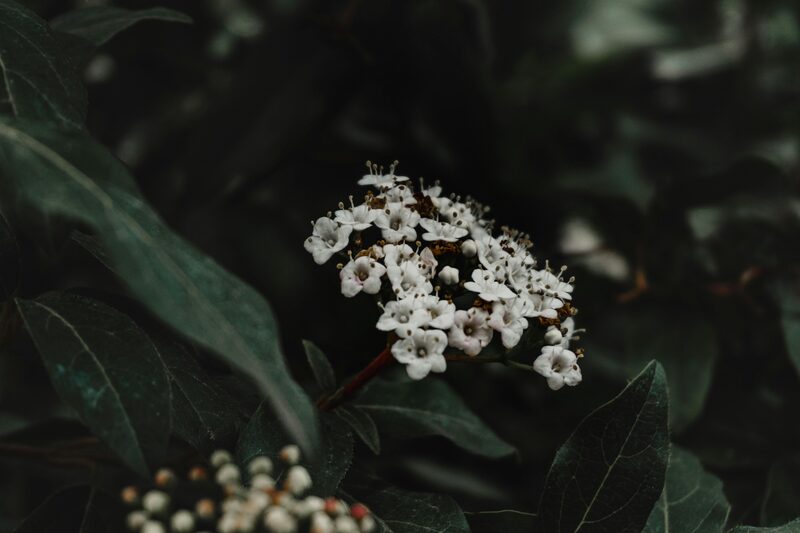
I kept a Hoya carnosa 'Tricolor' for three full years without a single flower. It grew, it put out new leaves, it looked healthy enough, but it stubbornly refused to bloom. I had read that Hoyas bloom when happy, which is the kind of advice that sounds meaningful but offers no practical guidance when your plant is clearly alive and well and still producing nothing. The breakthrough came when I stopped treating my Hoya like a standard tropical houseplant and started applying three very specific conditions. The first peduncle appeared eight weeks after I implemented all three simultaneously. I've since applied this same approach to H. pubicalyx, H. kerrii, H. obovata, H. lacunosa, and H. bella, and achieved blooms in every case.
Condition 1: Root Crowding, The Counterintuitive Trigger
Hoyas bloom more reliably when they are pot-bound or close to it. A plant with abundant root space channels its energy into vegetative growth, new vines, new leaves, rather than reproductive effort. When roots fill the pot and have nowhere left to expand, the plant shifts its energy allocation toward flowering. This is not a theory I read in a care guide; it is something I tested directly by accident.
In year two of growing my 'Tricolor', I repotted it from a 6-inch to an 8-inch pot because the roots were beginning to emerge from the drainage holes. The plant responded with a burst of new growth and then, nothing in terms of blooms, for eighteen months. Frustrated, I moved it back to the 6-inch pot, trimming away only the truly excess root mass. Eight weeks later: my first peduncle. I now keep all my Hoyas in the smallest pot the plant will reasonably tolerate and only upsize when roots are genuinely pushing through drainage holes in quantity.
The practical test: if you can see some roots at the drainage holes but the plant is not severely distressed (wilting between waterings more than once a week), you are in the bloom-friendly zone. The broader hoya care context, including how to read root health and when pot-binding becomes detrimental, is covered in depth in the guide to growing wax plants indoors and getting them to bloom.
Condition 2: More Light Than Most Guides Recommend
The standard Hoya care recommendation, bright indirect light, is accurate for keeping the plant alive and growing vegetatively. But in my experience, triggering consistent blooming requires a step up from that baseline. My most reliably blooming Hoyas sit within two feet of a south-facing window with only a sheer curtain between them and the glass, receiving three to four hours of filtered direct sun daily during summer. The difference between "bright indirect" and "filtered direct" is measurable in bloom frequency.
For H. carnosa and H. pubicalyx, moving the plant to a sunnier position in late winter, just as day length begins increasing in February and March, seems to act as an additional bloom trigger, likely because the combination of increasing light intensity and day length mimics the seasonal transition these plants experience in their native habitats in Southeast Asia and Australia. For variegated varieties like 'Krimson Queen' and 'Tricolor', brighter light is doubly important: it maintains the cream-and-pink variegation in the leaves and simultaneously drives the light-intensity requirement for blooming. According to the Royal Horticultural Society's tropical houseplant resources, light intensity is one of the primary environmental variables determining whether warm-climate epiphytes like Hoyas produce flowers under indoor conditions.
Grow lights are a fully viable substitute if your home doesn't offer a high-light window. I run a full-spectrum LED panel 10-12 inches above the trailing vines of my H. lacunosa for 14 hours daily through winter and it blooms every year without fail, the only Hoya in my collection that blooms reliably in January.
Condition 3: A Dry, Cool Winter Rest That Mimics Nature
In their native tropical and subtropical habitats, most Hoya species experience a distinct dry season, lower rainfall, slightly cooler temperatures, and reduced humidity, typically in winter. Replicating this inside the home is the third condition I was missing for years and the one that most dramatically changed my bloom rate when I finally implemented it.
From November through February, I reduce watering to approximately once every two to three weeks, waiting until the leaves show the faintest softening or the very earliest sign of wrinkling before watering. I stop fertilizing entirely. If possible, I move the plants to a location that is a few degrees cooler than my main living area, aiming for 60-65°F at night. Then in March, when I resume normal watering and move the plants back to their warmest, brightest spots, the transition itself seems to act as a bloom trigger, multiple species in my collection have produced their first peduncle of the year within four to six weeks of this spring resumption. According to Gardening Know How's Hoya care resources, simulating a seasonal dry period is one of the most well-documented techniques for prompting bloom production in Hoya species that are otherwise healthy but non-flowering under consistent tropical conditions indoors.
The Peduncle Rule You Must Never Break
Once your Hoya blooms, there is one rule that determines whether it will bloom easily again or reset the clock entirely: never cut a peduncle. Peduncles, the short, bare stubs from which flower clusters emerge, are persistent bloom sites. The plant produces new flowers from the same peduncle in subsequent seasons, and each peduncle can continue producing blooms for years. I made the mistake of deadheading my H. pubicalyx after its first bloom, thinking the bare stub was dead material. It was not. I lost that bloom site and waited another full year before the plant produced a new one.
After blooms drop, the peduncle looks like an unremarkable brown stick. Leave it. Leave every peduncle intact permanently. Cutting one is the single most reliable way to delay your next Hoya bloom cycle. For growers interested in expanding their collection through propagation, the step-by-step guide to propagating Hoya in water and soil walks through the process for both stem cuttings and leaf node propagation across multiple species. And from Missouri Botanical Garden's epiphyte care resources, the principle of preserving bloom spurs applies broadly across epiphytic and semi-epiphytic tropical plants including orchids, bromeliads, and Hoyas.
Common Mistakes
- Cutting peduncles after blooms drop: The bare stub that remains after flowering is the plant's future bloom site. Removing it eliminates that bloom point permanently and resets the timeline significantly.
- Repotting into a larger pot proactively: Pot-bound conditions encourage flowering. Upsizing before the plant is genuinely root-bound suppresses bloom production for a year or more.
- Providing only moderate light: Vegetative growth is possible in moderate indirect light, but consistent blooming requires brighter conditions, filtered direct sun or a dedicated grow light.
- Watering consistently through winter: Without the dry winter rest that mimics the plant's native dry season, many Hoya species cycle between vegetative growth phases without ever initiating bloom.
- Fertilizing with high nitrogen year-round: High nitrogen drives lush leaf and vine growth but actively suppresses flowering. Switch to a low-nitrogen, high-potassium formula in late summer to support bloom development.
- Moving the plant frequently: Like many flowering houseplants, Hoyas perform best when left in a consistent spot. Frequent repositioning interrupts the environmental stability that signals the plant it is safe to invest energy in blooming.
Quick Reference Care Table
| Factor | For Vegetative Growth | For Blooming |
|---|---|---|
| Light | Bright indirect | Filtered direct or very bright indirect, 4+ hrs |
| Pot Size | Comfortable, roots not bound | Slightly to moderately pot-bound |
| Water (Winter) | Every 10-14 days | Every 18-21 days; wait for leaf softening |
| Fertilizer | Balanced liquid, monthly | High-K low-N formula in late summer; none in winter |
| Temperature | 65-85°F (18-30°C) | Drop to 60-65°F nights in winter for 8-12 weeks |
| Peduncles | Can be trimmed if desired | Never cut, these are reusable bloom sites |
Frequently Asked Questions
How long does it take a Hoya to bloom for the first time?
Most Hoya species take two to four years from a rooted cutting to produce their first bloom under typical indoor conditions. Plants purchased as established specimens in 4- or 6-inch pots may bloom within the first or second year if the three conditions, adequate light, root crowding, and a winter rest, are consistently met. There is genuine species variation: H. carnosa and H. pubicalyx bloom relatively readily; H. bella and H. kerrii (the single-leaf variety) are slower to initiate under indoor conditions.
My Hoya has lots of new growth but no flowers, what is wrong?
Abundant vegetative growth without flowers is almost always a sign that one or more of the three bloom-trigger conditions is missing. The most common culprit in my experience is excessive pot space, the plant has been recently repotted and is prioritizing root and vine growth before considering reproduction. The second most common is insufficient light intensity. Check both before assuming a problem with the plant's health. A Hoya that grows vigorously is fundamentally healthy; it just needs the right environmental signals to shift from growth mode to bloom mode.
What do Hoya flowers smell like, and do they produce nectar?
Hoya fragrance varies enormously by species. Hoya carnosa produces a sweet, slightly vanilla-adjacent scent that is strongest at night. Hoya lacunosa has a cinnamon-like fragrance that I find one of the most pleasant in the genus. Hoya bella is lightly floral and faint. Yes, Hoya flowers produce nectar, the characteristic dripping of clear liquid from the flower centers is nectar, not water or sap. It is slightly sweet and completely harmless, though it can leave sticky residue on furniture below hanging plants.
Three years of waiting followed by consistent blooms every year since, that is the arc of my Hoya experience. The three conditions are not complicated, but they require commitment: commit to the bright spot, commit to the small pot, and commit to the dry winter. If you want help with your exact setup, send the plant name, light, pot size, and recent watering notes through the contact page.

About the Author
Written by Sage Avery, a plant care writer at Plant Companion Guide. For how we create and update content, see our editorial policy.