Peace Lily Brown Leaf Tips: Why Tap Water Is the Hidden Cause (and the Fix That Works)
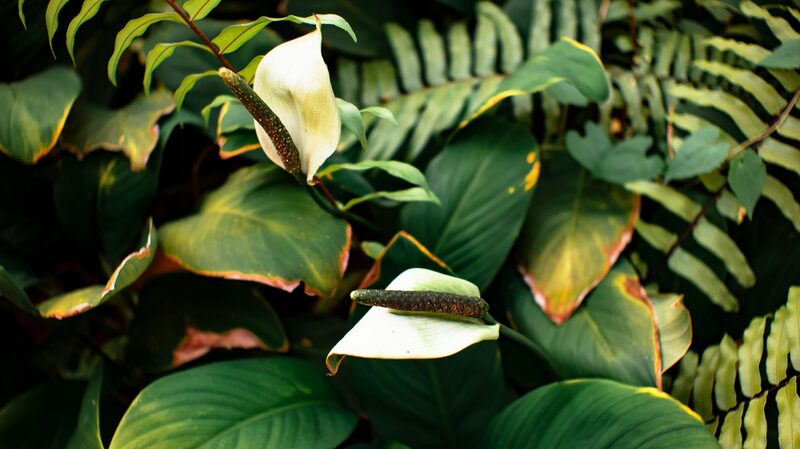
My peace lily had brown tips for eight months before I figured out the real cause. I adjusted watering. I moved it farther from the window. I tried misting. I flushed the soil. The brown tips persisted, and new leaves came in with browning already beginning before they were fully open. The breakthrough came when I mentioned it to a master gardener at a local plant swap, and she asked me one question I hadn't considered: what kind of water are you using? I was using tap water. I switched to filtered water. Six weeks later, new growth was coming in clean. The brown tips that were already there didn't heal, they never do, but the problem stopped progressing entirely. That single change resolved eight months of frustration.
How to Confirm Tap Water Is the Cause (vs Other Browning Triggers)
Peace lily brown tips have several possible causes, and the symptom pattern tells you which one you're dealing with. Fluoride and mineral damage from tap water produces a very specific pattern: brown coloring that begins at the very tip of the leaf and advances inward in a clean, defined line, affecting older leaves across the plant roughly simultaneously, on leaves that are otherwise firm, dark green, and healthy-looking. The browning is dry and papery at the tip, not soft or yellowing.
Low humidity produces similar tip browning, but it also causes the leaf margins (sides) to brown in addition to the tips, the damage is wider and less confined. Overwatering produces yellowing at the base of leaves and around the stem, not dry brown at the tips. Underwatering causes overall wilting and leaf droop before any tip browning develops. Root rot produces yellowing, collapse, and a foul smell from the soil. If you have dry, papery browning confined to leaf tips on otherwise-healthy leaves, and you water with municipal tap water, fluoride accumulation is the overwhelmingly likely cause.
The confirmation test: switch to filtered water for six to eight weeks and observe new growth only. If new leaves emerge without tip browning, even if old leaves still show the existing damage, fluoride was the cause. If new leaves still brown at the tips immediately after the switch, a secondary cause such as low humidity or overfertilizing needs investigation. According to Clemson University's Home and Garden Information Center, fluoride sensitivity is particularly pronounced in Spathiphyllum species, causing tip burn that can begin to appear within weeks of planting into fluoridated tap water in some soil and pot-size combinations.
The Chemistry: Why Peace Lilies Are Specifically Sensitive to Fluoride
Municipal water in the United States is fluoridated at levels of 0.7 mg/L as a public health measure for dental health, a concentration that is harmless to humans but accumulates in plant leaf tissue through a process called fluoride phytotoxicity. As water is taken up by roots and moves through the plant's vascular system, fluoride travels with it and concentrates in leaf margins and tips as the water transpires through the stomata. Over multiple watering cycles, fluoride levels in the leaf tissue build to concentrations that disrupt enzyme function and chloroplast integrity, causing the characteristic tip burn.
Peace lilies are particularly sensitive to this accumulation because they transpire heavily (their large, dark leaves have high stomatal density) and they are typically grown in small to medium containers where fluoride has limited soil volume to distribute through before reaching the roots. The same mechanism affects spider plants, dracaenas, and some palms, all plants known for fluoride sensitivity. According to Missouri Botanical Garden's houseplant care resources, fluoride phytotoxicity is one of the most commonly misdiagnosed causes of indoor plant leaf tip damage, partly because the timeline from exposure to symptom is slow enough that growers rarely connect watering practices to the tip damage appearing weeks or months later.
The full peace lily care picture, including light, humidity, and the watering depth that matters beyond water source, is covered comprehensively in the complete peace lily care guide, which is worth reading alongside this fluoride-focused post. For growers dealing with the related but different problem of yellow leaves, the companion post on peace lily yellow leaves covers the overwatering and light causes that produce a distinct and separately diagnosable symptom pattern.
The Fix: What Actually Works and How Long It Takes
The fix is straightforward and inexpensive: stop using tap water and switch to one of three alternatives. Filtered water from a pitcher or under-sink filter that removes fluoride (reverse osmosis filters remove fluoride; standard carbon filters do not) is the most practical ongoing solution. Collected rainwater is free and ideal, it contains no fluoride, chlorine, or dissolved minerals. Distilled water works but is the most expensive ongoing option for a single plant. Allowing tap water to sit out overnight reduces chlorine through off-gassing but does not affect fluoride, which requires filtration to remove.
The timeline for improvement: existing brown tips will not recover, damaged leaf tissue does not regenerate. But new leaves emerging four to six weeks after the water switch should come in clean, and the rate of new browning on existing leaves should stop. I trim the brown tips from existing leaves with clean scissors, following the natural pointed shape of the leaf as closely as possible to maintain the aesthetic. This is purely cosmetic, the plant doesn't benefit or suffer from trimmed versus untrimmed tips, but it makes the plant much more attractive while new unblemished growth develops.
Soil flushing is a useful supplementary step. After switching water sources, I flush the soil of all affected peace lilies thoroughly: run filtered water slowly through the soil for five to eight minutes, allowing it to carry accumulated fluoride and mineral salts out through the drainage holes. I do this once at the point of switching water sources, then use it as an annual spring maintenance step. This accelerates the reduction of fluoride concentration in the root zone and helps new roots encounter lower fluoride levels as they grow.
Other Causes of Brown Tips Worth Ruling Out
Low humidity is the second most common cause of peace lily tip browning and is often present alongside the fluoride issue, they are not mutually exclusive. Peace lilies prefer 40-60% ambient humidity; below 35%, tip browning can develop independently of water quality. If you switch to filtered water and browning continues on new growth, check your ambient humidity with a hygrometer and add a humidifier if needed. The two causes reinforce each other, fluoride sensitivity worsens in low-humidity conditions because leaf tissue under desiccation stress concentrates fluoride more quickly at margins and tips.
Fertilizer salt accumulation is the third cause. Applying fertilizer too frequently or at full strength causes soluble salt buildup in the soil that damages root cells and prevents efficient water uptake, producing tip burn through a different chemical mechanism but a similar-looking symptom. I use a balanced liquid fertilizer at half strength once a month from April through August only, and I flush the soil in spring before the first fertilizing of the season. Over-fertilizing a peace lily that is also receiving tap water creates a compounded salt-fluoride stress that causes rapid and severe tip browning.
According to the ASPCA's toxic plant database, peace lily is toxic to cats, dogs, and humans, a relevant reminder if you are considering moving the plant to a bathroom window (often ideal for humidity) in a pet-occupied home. Keep it positioned out of reach of animals regardless of location.
Common Mistakes
- Diagnosing tip browning as underwatering and increasing frequency: More frequent watering with the same tap water accelerates fluoride accumulation. Adding water is the wrong response to fluoride-caused browning.
- Assuming browning will stop once you flush the soil once: A single flush reduces accumulated fluoride but does not eliminate the source problem. The water source must change permanently for improvement to last.
- Leaving sitting tap water out overnight and assuming fluoride is removed: Overnight sitting off-gases chlorine (which evaporates as a gas) but has no effect on fluoride (which does not). Only filtration removes fluoride from water.
- Trimming brown tips and expecting clean regrowth at the same point: Trimmed leaf tips do not regrow as new tissue. The existing leaf remains trimmed; new clean growth comes from entirely new leaves produced after the water source change.
- Ignoring humidity as a compounding factor: Fluoride sensitivity worsens under low humidity. Addressing only the water source without checking ambient humidity may produce incomplete improvement if humidity is also below the plant's threshold.
- Applying full-strength fertilizer alongside tap water: The combined fluoride and fertilizer salt load creates severe tip burn significantly faster than either factor alone. Always dilute to half strength and address water source before resuming fertilizing.
Quick Reference Diagnostic Table
| Symptom Pattern | Most Likely Cause | Fix | Improvement Timeline |
|---|---|---|---|
| Dry brown at tips only, papery, clean line, otherwise-healthy green leaves | Fluoride/tap water accumulation | Switch to filtered or rainwater; flush soil | New growth clean in 4-6 weeks |
| Brown tips AND brown margins, affecting multiple leaves | Low humidity | Humidifier to maintain 40-60%; check for drafts | New growth clean in 4-6 weeks |
| Yellow then brown, soft not papery, starts at base of leaves | Overwatering or root rot | Reduce watering; check roots; repot if roots are mushy | 2-4 weeks if caught early; slow if advanced |
| Brown tips with crusty white soil surface deposits | Fertilizer salt accumulation | Flush soil thoroughly; reduce fertilizer to half strength | New growth clean in 4-8 weeks |
| Overall wilting, drooping across all leaves, tips browning last | Underwatering | Water thoroughly; check whether pot-bound (dries out fast) | Recovery within hours of watering if caught early |
Frequently Asked Questions
Will filtered water fix brown tips that are already on my peace lily?
No, brown tips that have already developed will not reverse. Damaged leaf tissue is permanent, and trimming is the only aesthetic solution for existing browning. What filtered water does is stop the problem from progressing: new leaves emerge without browning, and existing leaves stop developing new brown area. The improvement is entirely in new growth, which is why the six-to-eight-week observation window after switching water is the correct way to evaluate whether the fix worked.
Does a Brita filter remove fluoride from water?
Standard pitcher filters, including Brita, use activated carbon filtration, which is effective at reducing chlorine, sediment, and some heavy metals but is not effective at removing fluoride. Fluoride removal requires either reverse osmosis filtration (the most effective method, typically installed under-sink) or specialized fluoride filter cartridges designed specifically for that purpose. Collected rainwater contains no fluoride and is free. If you are unsure whether your filter removes fluoride, the product documentation or manufacturer's website will specify what contaminants it addresses, fluoride removal is specifically listed when present.
My peace lily is in a room without natural light and has brown tips, is the light the problem?
Very low light does not directly cause brown tips in the same pattern as fluoride damage, but it creates a stressed plant that is more vulnerable to secondary causes including fluoride accumulation and fertilizer salt damage. A peace lily in genuinely low light also transpires less efficiently, meaning fluoride concentrates in leaf tissue more slowly, but it still accumulates. Check both the water source and the light level simultaneously. If fluoride is eliminated as a cause and tips still brown, increasing light to medium indirect levels (the minimum for healthy peace lily growth) may help the plant process water more efficiently and reduce tip damage from other sources.
The fix I found after eight months of troubleshooting took one conversation and one small change. If your peace lily has had persistent brown tips despite careful care, try the water switch before anything else, it costs nothing and produces a visible answer within six weeks. If you want help with your exact setup, send the plant name, light, pot size, and recent watering notes through the contact page.

About the Author
Written by Sage Avery, a plant care writer at Plant Companion Guide. For how we create and update content, see our editorial policy.