Tomato Bad Neighbors Guide
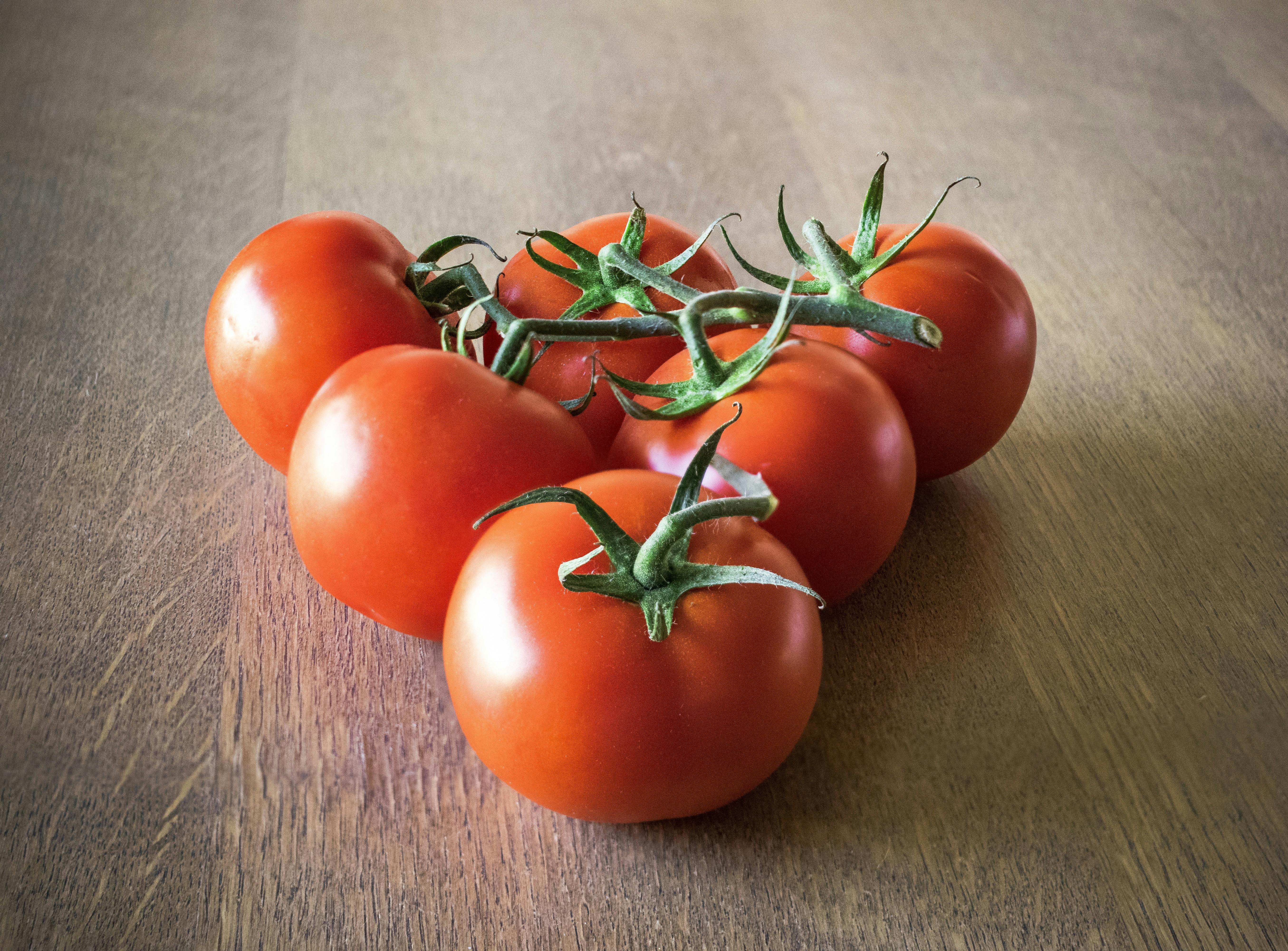
I learned what not to plant with tomatoes by making my beds too "efficient." One year I tucked too many spreading plants around my tomatoes, and by midseason I had a jungle that was hard to water, hard to prune, and too humid in the center. The problem was not one villain crop. It was bad plant relationships plus bad spacing.
What not to plant with tomatoes: common bad neighbors and better alternatives
I avoid companions that crowd, compete heavily, or complicate airflow and watering. I use The Old Farmer's Almanac companion planting guide, broader layout help from Almanac's vegetable garden planning guide, and regional timing from the USDA zone map before I decide what actually fits together.
Here is the part I wish someone had told me sooner: a tomato companion is only helpful if I can still work the tomato. I need room to prune lower leaves, check for hornworms, mulch the soil, water at the base, tie stems to a support, and harvest without snapping branches. If a neighboring plant makes those jobs harder, I treat it as a bad neighbor even if a companion chart says the pairing is technically fine.
The neighbors I avoid most often
- Sprawling squash close to the tomato base: squash leaves can shade the lower stem, trap humidity, and make it hard to inspect the soil line.
- Potatoes in the same tight bed: tomatoes and potatoes are both nightshades, so I prefer to separate them and keep rotation simple.
- Fennel: I keep fennel in its own container or separate patch because it has a reputation for suppressing nearby growth.
- Large brassicas in small beds: cabbage, broccoli, and kale are not always a disaster, but they can compete for space and fertility when tomatoes are already hungry.
- Dense mixed herbs: a few herbs can be helpful, but a crowded herb mat around the stem makes watering and airflow worse.
In small gardens, "bad neighbor" often means "bad fit," not a universally forbidden pairing. A plant that works at the far edge of a wide raised bed might be a problem in a narrow container or balcony box.
How I Judge a Bad Tomato Neighbor
I look at the mature plant, not the seedling. A tiny squash transplant can look harmless beside a young tomato in May, then cover the path and shade the lower stem by July. A basil seedling is usually manageable, but six basil plants packed around the cage can become a dense, damp collar. The mature size is what decides whether a companion is useful or just another maintenance problem.
I also think about the work I need to do every week. Tomatoes need tying, pruning, harvesting, pest checks, and base watering. If a companion plant makes me reach through wet leaves or step into the bed, I already know I will inspect less often. That is when hornworms, early blight, and irrigation mistakes become easier to miss.
Better alternatives
Instead of crowding tomatoes with sprawl, I choose companions that stay manageable: basil, marigolds, calendula, nasturtiums at the edge, or lettuce early in the season before the tomato canopy fills in. I want low plants that leave the stem visible and do not form a damp wall around the base.
For more context, browse the plant care and companion planting blog. This page is the reality check I use before I plant too much.
The practical test I use
If I cannot mulch, reach the tomato base, or inspect lower leaves easily, the "companion" is too close. That simple test has saved me more trouble than any chart. I also ask three questions before planting anything beside tomatoes:
- Will this plant still be small when the tomato is full size?
- Can I water the tomato without soaking nearby foliage every time?
- Will I still be able to prune and harvest without stepping into the bed?
If the answer is no, I move the companion to the edge, put it in a separate container, or skip it for that season.
Spacing rules that actually helped me
I keep the first few inches around the tomato stem open. Mulch can cover the soil, but I do not want leaves, vines, or dense herbs touching the base. In raised beds, I usually place flowers and herbs near corners or bed edges rather than right under the tomato cage. In containers, I am even stricter. A tomato in a pot is already dealing with limited root space, so I rarely add more than one small basil or a few trailing flowers around the rim.
Airflow matters because tomato problems often start low on the plant. Crowded lower leaves stay damp longer after rain or overhead watering. That does not mean every crowded plant gets sick, but it does mean inspection becomes harder and small problems are easier to miss.
Rotation and Disease Pressure Matter Too
My caution with potatoes is mostly about crop families and cleanup. Tomatoes and potatoes are both nightshades, and keeping them close can make rotation more confusing in a small garden. If one bed has tomatoes this year and potatoes next year, I have not really given that soil a break from nightshade pressure. When space allows, I keep nightshades in separate sections and rotate them with leafy greens, legumes, herbs, or flowers.
That does not mean a single potato nearby instantly ruins a tomato crop. It means the pairing asks for more care than many beginners expect. If you are already short on space, water access, or time, choose the lower-maintenance pairing first.
Common mistakes
- Treating a companion list like a rulebook without considering spacing
- Blocking airflow around the tomato stem
- Combining too many medium-sized plants in one bed
- Ignoring water-need differences
- Creating a bed that is hard to harvest
- Assuming all flowers are automatically good neighbors
Quick reference care table
| Plant type | Why it can be a problem | Better alternative | My note |
|---|---|---|---|
| Sprawling squash | Crowds airflow and access | Basil or marigold | Keep tomato base clear |
| Dense mixed herbs | Complicates watering | One or two low companions | Simplicity wins |
| Large thirsty neighbors | Competes for root space | Early lettuce | Remove as season heats |
| Potatoes | Makes rotation and disease management harder | Beans or flowers in another bed section | I separate nightshades when space allows |
Companion pairing table
| Plant | Good companions | Companions to avoid nearby |
|---|---|---|
| Tomato | Basil, marigold, lettuce, calendula | Close sprawling squash, potatoes, overcrowded mixed herbs |
| Basil | Tomato, pepper | Overcrowded dry herb clusters if irrigation differs |
| Lettuce | Tomato early season | Peak summer crowding under dense canopy |
| Marigold | Tomato bed edges | Dense planting right against the tomato stem |
FAQ
Are there any plants that are always bad with tomatoes?
In small gardens, the bigger issue is usually spacing, airflow, and crop rotation rather than an absolute bad pairing list.
Can tomatoes share a large bed with cucumbers?
They can, but I do not crowd them together. Both get large, and airflow becomes the deciding factor.
What is the best tomato alternative to a sprawling companion?
I like basil, marigolds, calendula, or early lettuce because they are easier to place and manage without trapping humidity around the stem.
Should I plant flowers directly under tomato cages?
I usually keep flowers near the outside edge of the cage instead. That gives pollinators color to find while leaving the tomato stem open for watering, pruning, and inspection.
What not to plant with tomatoes usually comes down to crowding and care conflicts. If you want help deciding whether a specific pairing fits your bed, send the plant list, bed size, and sun exposure through the contact page.

About the Author
Written by Sage Avery, a plant care writer at Plant Companion Guide. For how we create and update content, see our editorial policy.