Growing Herbs Indoors: Which Herbs Thrive on a Windowsill
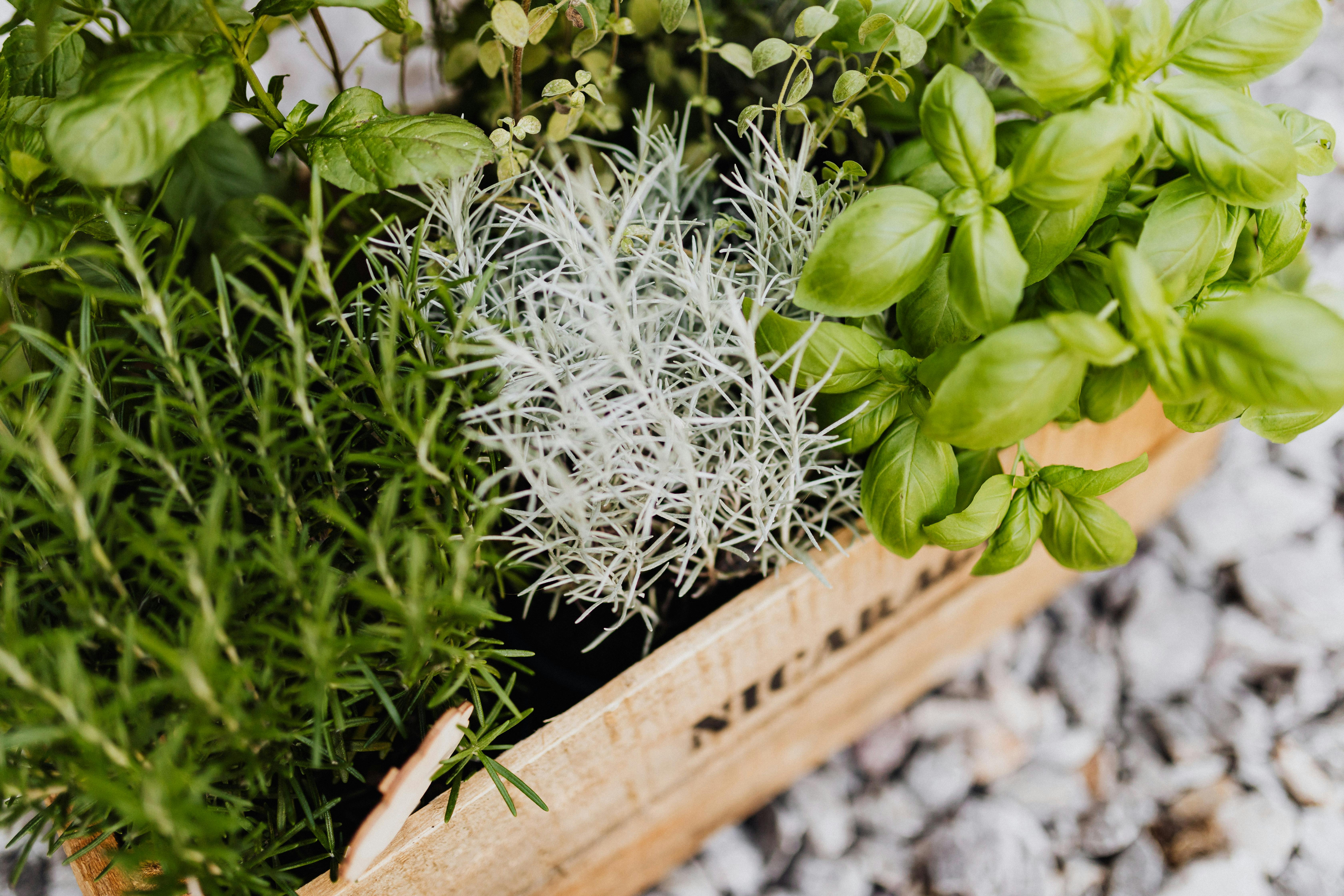
Every indoor herb-growing attempt I made before understanding light requirements ended the same way: the grocery store basil in a four-inch pot lasted two weeks before collapsing, the mint stretched leggy toward the window, and the parsley just sat there, refusing to grow anything. Then I installed a four-foot LED grow light above my kitchen counter and everything changed. The basil filled out and stayed bushy; the mint produced thick, fragrant stems; and I've been harvesting fresh herbs for cooking year-round ever since. The truth about indoor herb growing that nobody tells you: most culinary herbs are sun-hungry plants that need six to eight hours of direct sun or equivalent grow light intensity — a windowsill in most homes simply doesn't provide that, especially in fall and winter.
Which Herbs Actually Succeed Indoors
Not all herbs are equally suited to indoor conditions. The herbs that succeed indoors with reasonable light are: mint (Mentha spp.) — shade-tolerant, vigorous, and almost indestructible; chives (Allium schoenoprasum) — compact, cold-tolerant, and productive in moderate light; parsley (Petroselinum crispum) — slow-growing but manageable in bright indirect light; thyme (Thymus vulgaris) — drought-tolerant and compact, though needs fairly bright light; and oregano (Origanum vulgare) — vigorous and fragrant, tolerates moderate light. Herbs that struggle without significant supplemental light include basil (needs high light intensity and warmth — a south window in summer or grow light in winter), cilantro (bolts quickly in warm, bright indoor conditions), and rosemary (needs very high light and good air circulation — challenging in most indoor environments).
According to University of Minnesota Extension's indoor herb gardening guide, most culinary herbs require six or more hours of direct sunlight to grow productively — a south-facing window is the minimum for most species, with artificial lighting as the most reliable solution in homes without adequate natural light.
Light Requirements: The Honest Assessment
A north-facing window will support mint, chives, and perhaps parsley — but nothing more. East and west-facing windows support a somewhat broader range — mint, chives, parsley, thyme, oregano, and potentially basil in summer. A south-facing window receiving six or more hours of direct daily sun is suitable for most culinary herbs in spring and summer but becomes insufficient in winter when the sun's angle lowers and day length shortens. The most practical solution for year-round indoor herb growing in most North American homes is a dedicated grow light: a full-spectrum LED grow light or a T5 fluorescent shop light positioned four to six inches above the herb pots for fourteen to sixteen hours daily replicates outdoor growing conditions reliably. This setup works regardless of which direction your windows face.
Why Grocery Store Herb Pots Fail (And How to Fix It)
The packets of fresh herbs sold in grocery stores and garden centers are actually dense clusters of multiple seedlings crammed into a tiny pot — sometimes twenty to thirty plants in a four-inch container. These are grown rapidly for immediate harvest, not for long-term growing. If you bring one home and try to grow it as a houseplant, the overcrowded roots and stems compete for resources, and the planting medium (often a peat-heavy mix that quickly becomes hydrophobic) dries out within hours. The plants exhaust the available nutrients within days and collapse.
The fix: when you bring home a grocery store herb, immediately divide it into three or four sections, repot each section into its own four-to-six-inch pot with fresh, well-draining potting mix, and place under your grow light or in your sunniest window. Cut the plants back by one-third at repotting to reduce the leaf mass the stressed roots need to support. Within two to three weeks, you'll have robust, recovering plants that grow productively rather than slowly dying in their original crowded pot. For fertilizing strategies to support indoor herb growth, see our fertilizer comparison guide, and for overall indoor growing support, visit our indoor vegetable garden guide.
Harvesting Herbs Correctly for Continued Production
Harvesting technique determines whether an herb plant continues producing or dies after a single harvest. The correct method: for leafy herbs like basil and mint, harvest from the top — cut just above a node (leaf joint), never stripping the entire plant or harvesting from the bottom. Cutting from the top removes the apical tip, encouraging the plant to branch below the cut and produce more stems. Never remove more than one-third of the plant's foliage in a single harvest. For chives, cut leaves from the outside of the clump to within an inch of the soil — the inner growth continues actively. For thyme and oregano, harvest stem tips regularly to prevent the plant from going woody. For basil specifically, pinch off flower buds as soon as they appear — once basil flowers and sets seed, leaf production declines sharply. The Old Farmer's Almanac's herb gardening section details harvest timing and technique for all major culinary herbs.
Common Mistakes to Avoid
- Placing in a dim location: Most culinary herbs are sun-demanding. Without adequate light, growth is slow, flavor is weak, and plants become leggy.
- Not separating grocery store herb pots: Divide and repot immediately to prevent competition-caused collapse.
- Harvesting from the bottom of basil: Always harvest from the top to encourage branching. Stripping lower leaves removes mature foliage the plant needs for photosynthesis.
- Not pinching basil flower buds: Allowing basil to flower ends its productive leafy growth. Pinch flower buds as soon as they appear.
- Overwatering herbs: Most culinary herbs are Mediterranean in origin and prefer to dry out slightly between waterings. Waterlogged herb pots quickly develop root rot.
Quick Reference Indoor Herb Success Table
| Herb | Light Need | Water Tolerance | Best for Beginners? |
|---|---|---|---|
| Mint | Moderate to bright indirect | Moist; tolerates some wet | Yes — very easy |
| Chives | Moderate to bright indirect | Moderate; let top dry | Yes — very easy |
| Parsley | Bright indirect | Moderate; consistent | Yes — slow but reliable |
| Thyme | Bright indirect to direct | Drought-tolerant | Yes — with enough light |
| Basil | High (grow light or south window) | Consistent moisture | With grow light, yes |
| Rosemary | Very high; south window or grow light | Drought-tolerant | Challenging indoors |
| Cilantro | Bright; cool conditions | Consistent moisture | Difficult; bolts easily |
Frequently Asked Questions
Can I grow basil on a north-facing windowsill?
Not successfully for any length of time. Basil needs high light intensity — equivalent to six or more hours of direct sun or a grow light positioned within four to six inches of the plant. In a north-facing window, basil grows slowly, becomes leggy and pale, is susceptible to fungal issues, and eventually collapses. For north-facing spaces, stick to mint and chives, which genuinely tolerate lower light.
How often should I water indoor herbs?
It depends on the herb and the pot size, but as a general rule, check the soil daily and water when the top half-inch to inch is dry. Drainage holes are essential — herbs in pots without drainage quickly develop root rot. Most Mediterranean herbs (thyme, oregano, rosemary) prefer to dry out more between waterings; moisture-lovers like basil and parsley prefer more consistent moisture. Terracotta pots help regulate moisture for herbs prone to overwatering.
Why does my indoor mint keep getting leggy?
Leggy mint is almost always a light issue — the stems stretch toward insufficient light, producing long stems with small, widely-spaced leaves. Move the plant closer to a bright window or under a grow light. Pinch back the growing tips regularly (every two to three weeks) to encourage bushy lateral growth. Mint in adequate light is compact and densely leafed; mint in low light is rangy and weakly flavored. Mint is also a vigorous root-bound plant — repot into a larger container if it hasn't been repotted in more than a year.
Indoor herb growing is one of the most practical and rewarding applications of indoor gardening — fresh herbs from your kitchen counter elevate cooking in ways a spice jar cannot match. Get the light situation sorted first, and everything else follows naturally. Drop your herb-growing questions in the comments below.

About the Author
Sage Avery is a passionate gardener and plant enthusiast sharing tips for a greener life.