Haworthia Care: Compact Succulents on a Windowsill
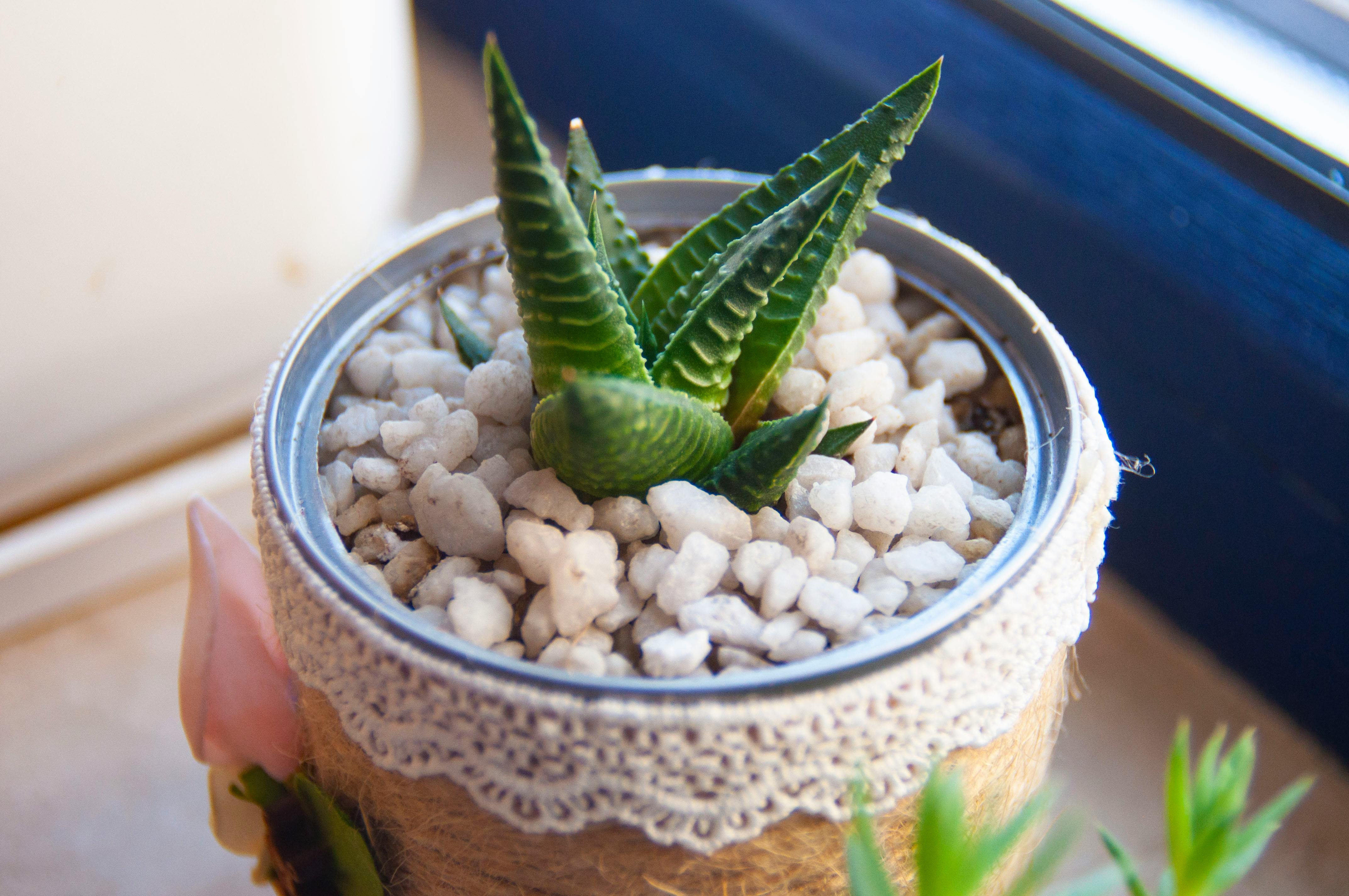
I used to group my haworthias with my full-sun succulents — echeverias and sedums in the sunniest south window — assuming all succulents want the same intense light. Within two weeks, my Haworthia fasciata had turned a bleached, reddish-orange, looking genuinely stressed. A fellow enthusiast explained the crucial difference: haworthias are shade-adapted succulents native to rocky outcrops where they grow in the shadow of larger plants and rocks, receiving bright but filtered light — not the baking full sun their succulent cousins prefer. This single adjustment transformed my haworthia growing. They are, in fact, the ideal windowsill plant for east or north-facing windows where most succulents struggle.
Light: The Critical Difference Between Haworthias and Other Succulents
Unlike most succulent genera, haworthias evolved in partial to full shade conditions in their native South African habitat. They grow naturally beneath rocks, in rock crevices, and under shrubs where they receive dappled to bright indirect light rather than intense direct sun. Indoors, this makes them the perfect succulent for north or east-facing windows, bright spots without direct sun, or any location where other succulents would etiolate.
The ideal indoor placement is a window receiving bright indirect light or gentle morning sun — an east-facing windowsill is nearly perfect for most species. South-facing windows work if the plant is positioned several feet back from the glass or behind a sheer curtain. Extended direct summer sun causes the tell-tale reddish-orange stress coloration and eventually permanent bleaching. Missouri Botanical Garden's succulent resources note that Haworthia, Gasteria, and Aloe are the three most shade-tolerant succulent genera commonly kept as houseplants, all suitable for light conditions where most other succulents fail.
Watering Haworthias: Succulent Rules Apply, But Gently
Haworthias store water in their fleshy leaves and thick roots, making them drought-tolerant but not drought-requiring. During the active growing season (spring and fall — haworthias are winter-growers in their native South African habitat, though they grow year-round indoors in appropriate conditions), water when the soil is completely dry throughout. This typically means every ten to fourteen days in a moderately lit indoor environment. In summer, some haworthia species slow growth in response to heat; reduce watering slightly. In winter indoors, watering every three to four weeks is adequate as growth slows.
The signs of overwatering in haworthias are soft, translucent leaves that lose their firm, plump texture and a mushy base. Unlike some succulents where the signs of root rot appear late, haworthia leaf mushing is relatively early warning — unpot immediately, trim blackened or mushy roots, allow the root zone to dry for a day, and repot in fresh, dry cactus mix. According to Gardening Know How's haworthia resources, conservative watering is the single most important factor in haworthia longevity indoors.
Soil, Pots, and Propagation
Like all succulents, haworthias need excellent drainage. Use a commercial cactus/succulent mix blended with coarse perlite or pumice (at least 30–50% added drainage material). Terracotta pots are ideal. Haworthias naturally form clumping rosettes that produce offsets (pups) around the base of the mother plant. These offsets can be gently separated when they're large enough to have their own root system — typically when they reach a quarter to half the size of the mother. Allow the separation wound to callous for a day or two before potting in fresh, dry mix. Haworthia offsets root readily and establish quickly, making them one of the easiest succulents to propagate for free.
Fertilize lightly — once or twice per year at the start of the growing seasons with a diluted succulent-specific fertilizer. Haworthias are slow-growing and minimal feeders; over-fertilization causes excessive leggy growth and reduces the compact, symmetrical form that makes them attractive. Repot every two to three years when roots have filled the container. For related care comparisons, see our indoor cactus care guide, and for display ideas for compact succulents, visit our plant display ideas guide.
The Best Haworthia Species for Beginners
The genus encompasses over 150 species, but a handful are both widely available and particularly well-suited to indoor windowsill culture. Haworthia fasciata and H. attenuata (zebra haworthia, with white horizontal banding on dark green leaves) are the most commonly sold and among the most forgiving. Haworthia limifolia has a starfish-like rosette with ridged, symmetrical leaves. Haworthia cooperi is exceptional — its soft, translucent leaf tips look like tiny windows, designed to let diffused light into the plant's underground tissue in their native habitat. Haworthia cymbiformis forms compact rosettes of boat-shaped leaves and produces offsets prolifically. All of these thrive in east or north window conditions where most other succulents fail, making them genuinely ideal starter plants for lower-light homes.
Common Mistakes to Avoid
- Treating like a full-sun succulent: Haworthias need bright indirect light, not intense direct sun. Group with shade-adapted plants, not echeverias and sedums.
- Overwatering in winter: Growth slows significantly; water every three to four weeks only.
- Using standard potting mix without drainage amendment: Haworthias in slow-draining mix almost always develop root rot over winter. Always add at least 30% perlite or pumice.
- Removing offsets too small: Wait until offsets have developed their own visible roots before separating. Tiny offsets without roots struggle to establish independently.
- Overfertilizing: Once or twice a year is sufficient. Excess fertilizer produces ungainly, distorted growth.
Quick Reference Haworthia Care Table
| Factor | Ideal Condition |
|---|---|
| Light | Bright indirect; east or north window; no harsh direct sun |
| Water (growing season) | Every 10–14 days when fully dry |
| Water (winter) | Every 3–4 weeks |
| Soil | Cactus mix + 30–50% perlite or pumice |
| Pot | Terracotta with drainage holes |
| Humidity | Low; tolerates dry indoor air |
| Temperature | 60–80°F (15–27°C) |
| Toxicity | Non-toxic to cats and dogs |
Frequently Asked Questions
Why is my haworthia turning red or orange?
Reddish or orange coloration in haworthias is a stress response called sun stress. It occurs when the plant receives more direct intense light than it's adapted for — the red pigments (anthocyanins) are produced as a protective mechanism. While mild sun stress is not immediately harmful, prolonged intense sun exposure causes permanent bleaching and cellular damage. Move the plant to a location with bright indirect light and the coloration will gradually return to healthy dark green over several weeks as new growth emerges.
How long does it take for haworthia offsets to establish after separation?
Haworthia offsets with an established root system (visible roots attached) typically establish in three to four weeks when potted in dry, well-draining mix and kept in bright indirect light. Water very sparingly for the first two weeks — just a light misting or a small amount of water around the edge of the pot — to encourage the roots to seek moisture rather than sitting in wet conditions that can cause rot at the separation wound.
Can haworthia grow in an office with only fluorescent lighting?
Better than most succulents, but with limitations. Haworthias under office fluorescent lighting will survive and maintain their form better than echeverias or cacti in the same conditions, but they will grow very slowly and may develop slight etiolation (stretching) over time. For best results under artificial lighting, position the plant within one to two feet of a standard fluorescent or LED tube fixture, or use a dedicated grow light bulb. Avoid the very low fluorescent-only light found in areas far from windows — even haworthias need some reasonable light intensity to maintain their compact rosette form.
Haworthias are one of those hidden gems in the succulent world — compact, architecturally beautiful, shade-tolerant, and remarkably long-lived. Once you make peace with the fact that they are not full-sun succulents, they become among the easiest plants you'll ever grow. Drop your haworthia questions in the comments below.
About the Author
Sage Avery is a passionate gardener and plant enthusiast sharing tips for a greener life.