Houseplant Leaves Drooping: Diagnose the Real Cause
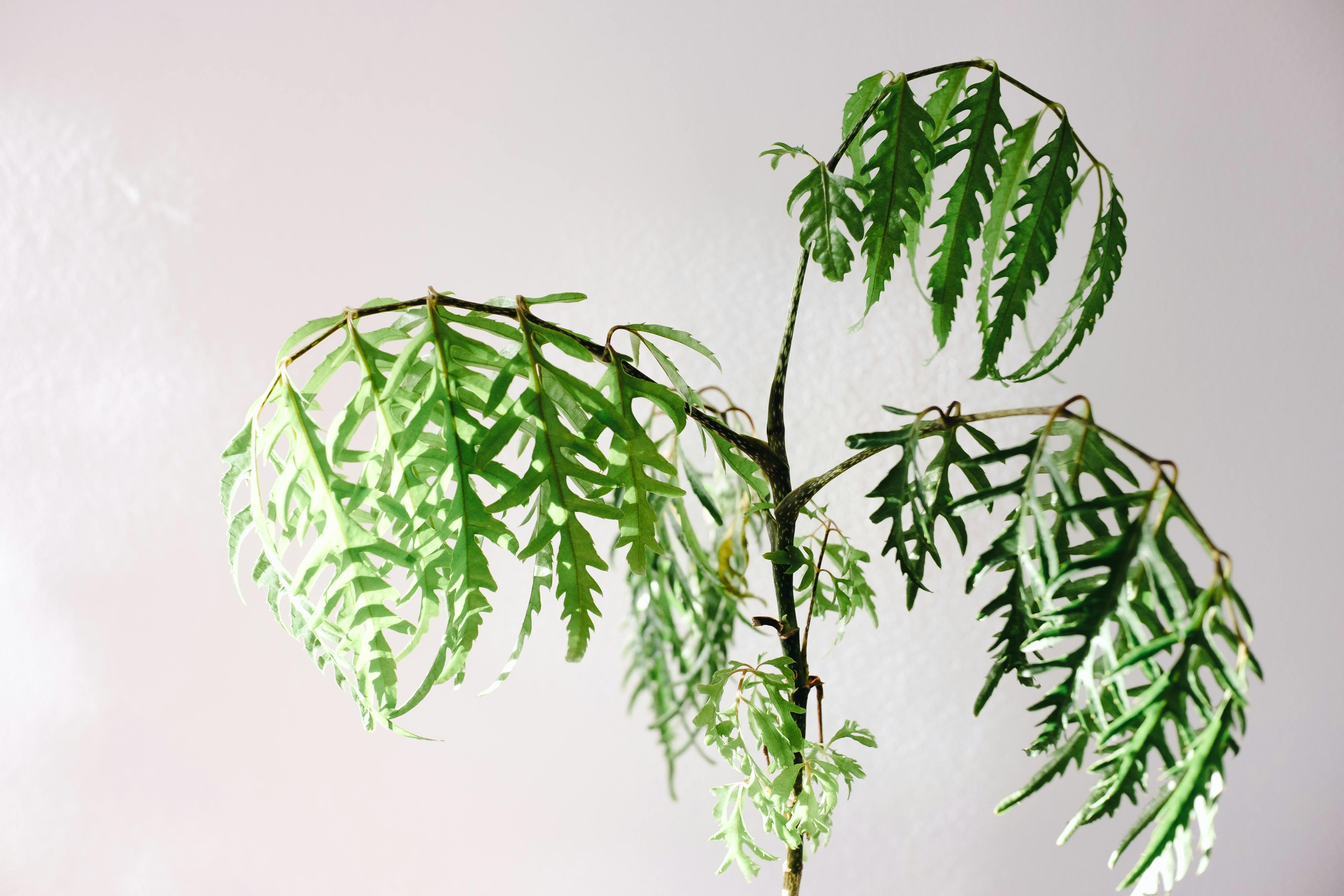
Drooping leaves are one of the most common distress signals houseplants send, and also one of the most frequently misread. The instinctive response — water the plant — is correct in perhaps half of cases and makes things significantly worse in the other half. Root rot, overwatering, and temperature stress all cause drooping, and adding more water to any of these accelerates the problem. Here's how to read the specific pattern your plant is showing and choose the right response.
Underwatering: The Most Common Cause
Underwatering causes drooping because without enough water in the plant's vascular system, the turgor pressure that keeps cells rigid drops. Leaves literally lose their structural support and hang limply. The key diagnostic: the soil will be completely dry at least two inches below the surface, often dry throughout. The leaves may also feel slightly soft or papery rather than firm. For most houseplants, the fix is immediate and simple — water thoroughly until it drains from the bottom, and the plant will typically recover within an hour to a day.
If the soil has dried out completely and pulled away from the sides of the pot, water may run straight through without being absorbed. In this case, set the pot in a shallow tray of water for twenty to thirty minutes to allow the soil to rehydrate from the bottom before watering normally from the top.
Overwatering: When Water Is the Problem
Overwatered plants also droop, but the cause is different: saturated soil limits oxygen available to roots, and roots begin to die. Without healthy roots, the plant can't uptake water regardless of how much is available — a paradox of drought symptoms in wet soil. Diagnostic signs: soggy, consistently wet soil, possibly with a sour or musty smell; yellowing leaves particularly on lower portions of the plant; soft, mushy stems at the base. Check roots by removing the plant from its pot — healthy roots are white or tan and firm; rotted roots are brown, black, or mushy and may pull apart easily.
Treatment: stop watering, move to better light if possible, and allow the soil to dry considerably before the next watering. If root rot is evident, trim rotted roots to clean tissue and repot into fresh, dry mix. See our stem rot guide for the full rescue procedure.
Temperature Stress and Cold Damage
Many tropical houseplants droop when exposed to temperatures below 60°F (15°C) or when subjected to cold drafts. Monsteras, pothos, peace lilies, and philodendrons are particularly sensitive. The drooping from cold often doesn't accompany any soil moisture issue — the soil can be perfectly moist and the plant will still be limp if it's been near a drafty window or an exterior door in winter. Move the plant to a warmer location, away from windows and heating vents, and it should perk up within a day if cold was the sole cause. If it doesn't, check for other issues.
Root Bound Plants
A severely root-bound plant may droop even with regular watering because the dense root mass leaves almost no soil to hold moisture. Water rushes straight through and drains without being absorbed. Signs: roots visibly emerging from drainage holes or spiraling on the soil surface, very rapid drying after watering (soil dry again within a day or two), and visible roots filling the pot when you lift it from the saucer. Repot into a container one or two sizes larger with fresh potting mix, and the drooping should resolve within a week or two as the plant establishes in its new container.
Transplant Shock
Drooping immediately after repotting is extremely common and not necessarily a sign that anything went wrong. The plant's roots were disturbed, and it takes time to re-establish contact with the new potting mix and resume efficient water uptake. Keep the plant out of direct sun, maintain consistent moisture in the new soil (not wet, just evenly moist), and wait. Most plants recover from mild transplant shock within one to three weeks. If the plant was root-bound and badly stressed before repotting, recovery can take longer.
When Drooping Indicates a More Serious Problem
Persistent drooping that doesn't respond to any of the above measures — appropriate watering, correct temperature, recent repotting — often indicates a systemic problem. Severe root rot, fungal or bacterial wilt disease, or severe pest infestations (particularly root mealy bugs, which are difficult to detect without removing the plant from its pot) can all cause wilting that doesn't respond to surface-level fixes. If you've ruled out the obvious causes, unpot the plant, inspect the roots carefully, and consider whether soil-borne pests or pathogens may be the source of the problem.
About the Author
Sage Avery is a passionate gardener and plant enthusiast sharing tips for a greener life.