Houseplant Stem Rot: Identify and Save Your Plant Early
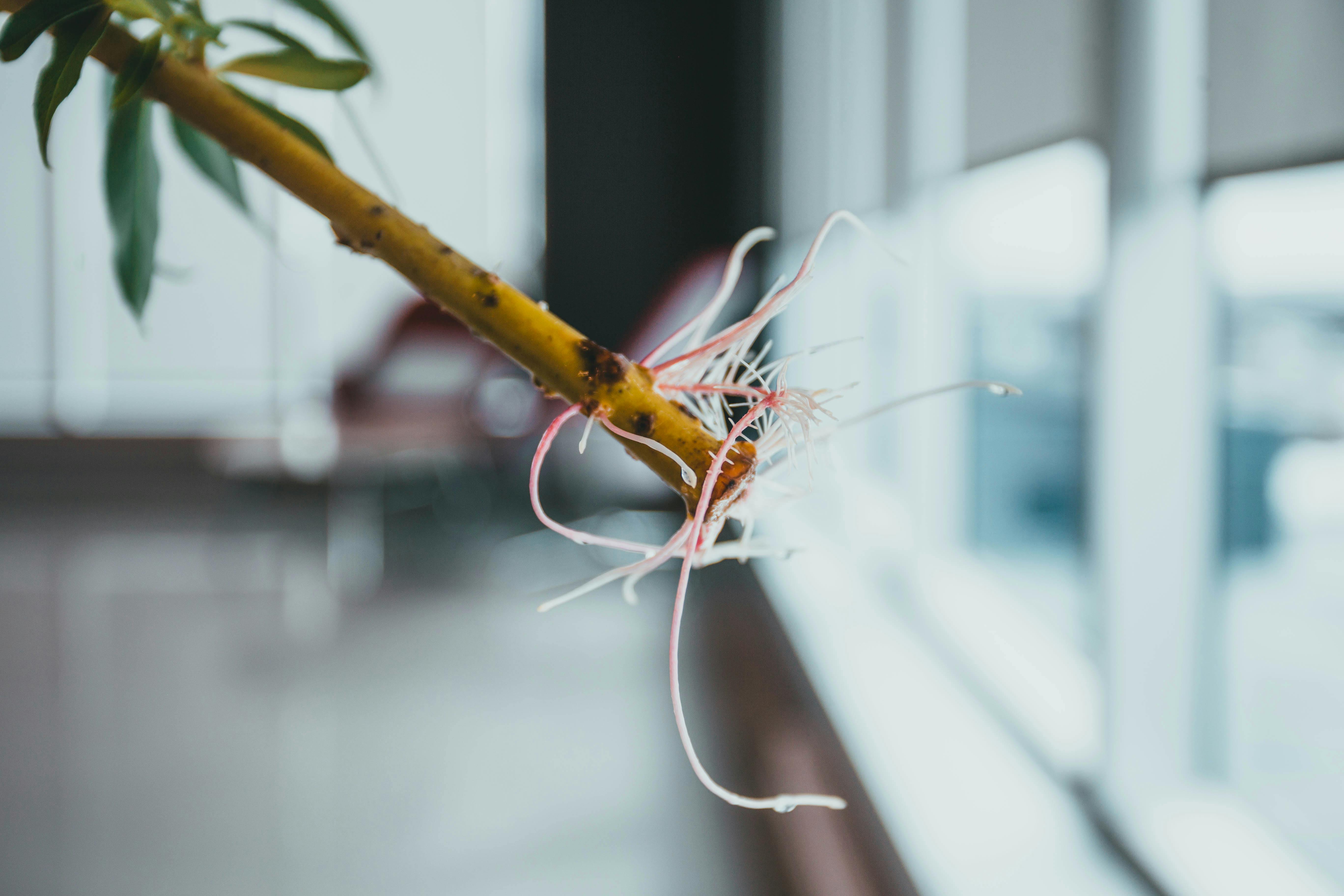
Stem rot is one of the most feared houseplant problems because it moves quickly and looks lethal. A plant that looks healthy on Monday can be mushy, black, and foul-smelling by Friday. But caught early, stem rot is recoverable in most cases — and understanding why it happens makes it preventable in the first place.
What Causes Stem Rot
Stem rot is almost always caused by one of two things: overwatering leading to fungal or bacterial colonization of root and stem tissue, or a physical wound (from pruning, staking, or pest damage) that creates an entry point for pathogens. The most common organisms involved are Pythium, Phytophthora, Rhizoctonia, and Botrytis — all thrive in the combination of standing moisture, poor aeration, and warm temperatures. Consistently wet soil that never dries between waterings creates exactly these conditions in the pot.
Plants in pots without drainage holes, kept in cachepots that collect water, or sat on saucers that are never emptied are at highest risk. Cold, wet soil is particularly problematic in winter when plants are growing slowly and uptaking little water — the soil stays wet for weeks rather than days.
Identifying Stem Rot Early
Early stem rot appears as a darkened, soft patch at the base of the stem, just at or below soil level. The tissue feels mushy when pressed — healthy stem tissue is firm. The color ranges from dark brown to black, and affected tissue often has a wet, waterlogged appearance. The smell is the most reliable indicator: rotted plant tissue has a distinct sour or putrid odor that healthy soil and roots don't produce. If you notice any of these signs, act immediately — stem rot spreads upward through the plant within days in warm conditions.
Later-stage rot is obvious: entire stems collapse, leaves yellow and drop rapidly, and the plant topples because its structural support has failed. At this stage, recovery is much harder, but still possible if any healthy tissue remains above the rot line.
Saving a Plant with Stem Rot
Remove the plant from its pot immediately. Cut the affected stem tissue with a clean, sharp blade — cut until you reach firm, white, healthy tissue. Discard all soft, dark material. If you're cutting through the main stem, that's acceptable: the top portion can be saved as a cutting if it has healthy roots or enough nodes to root from. Dust the cut surfaces with powdered cinnamon or sulfur-based fungicide powder, both of which have mild antifungal properties, then allow the cut to dry (callous) for a few hours in open air before replanting.
Do not replant into the original potting mix — fungal spores survive in soil and will reinfect. Use completely fresh potting mix in a clean pot. If you're reusing the pot, sterilize it with a 10% bleach solution and rinse thoroughly. Water very sparingly for the first two to three weeks while roots re-establish.
When to Take Cuttings Instead
If the rot has reached so far up the stem that little healthy tissue remains at the base, taking stem cuttings from the healthy top growth may be more effective than trying to save the plant in soil. Cut healthy stems 10–15 cm long, remove lower leaves, and place in water or fresh potting mix to root. Many houseplants — pothos, philodendrons, begonias, impatiens — root readily this way and the new plant will be entirely disease-free. Our propagation guide covers water vs. soil rooting in detail.
Preventing Stem Rot
Prevention is more reliable than treatment. Water according to soil moisture, not schedule — check two inches below the surface before watering, and only water when that soil is dry (for drought-tolerant plants) or when the top inch is dry (for moisture-loving plants). Always use pots with drainage holes and empty saucers within an hour of watering. Use well-aerated, fast-draining potting mix — adding 20–30% perlite to commercial mix improves drainage significantly. Avoid positioning plants in cold, poorly ventilated spots in winter, when slow soil dry-down creates the conditions rot pathogens prefer.

About the Author
Sage Avery is a passionate gardener and plant enthusiast sharing tips for a greener life.