How Often Should You Fertilize Houseplants?
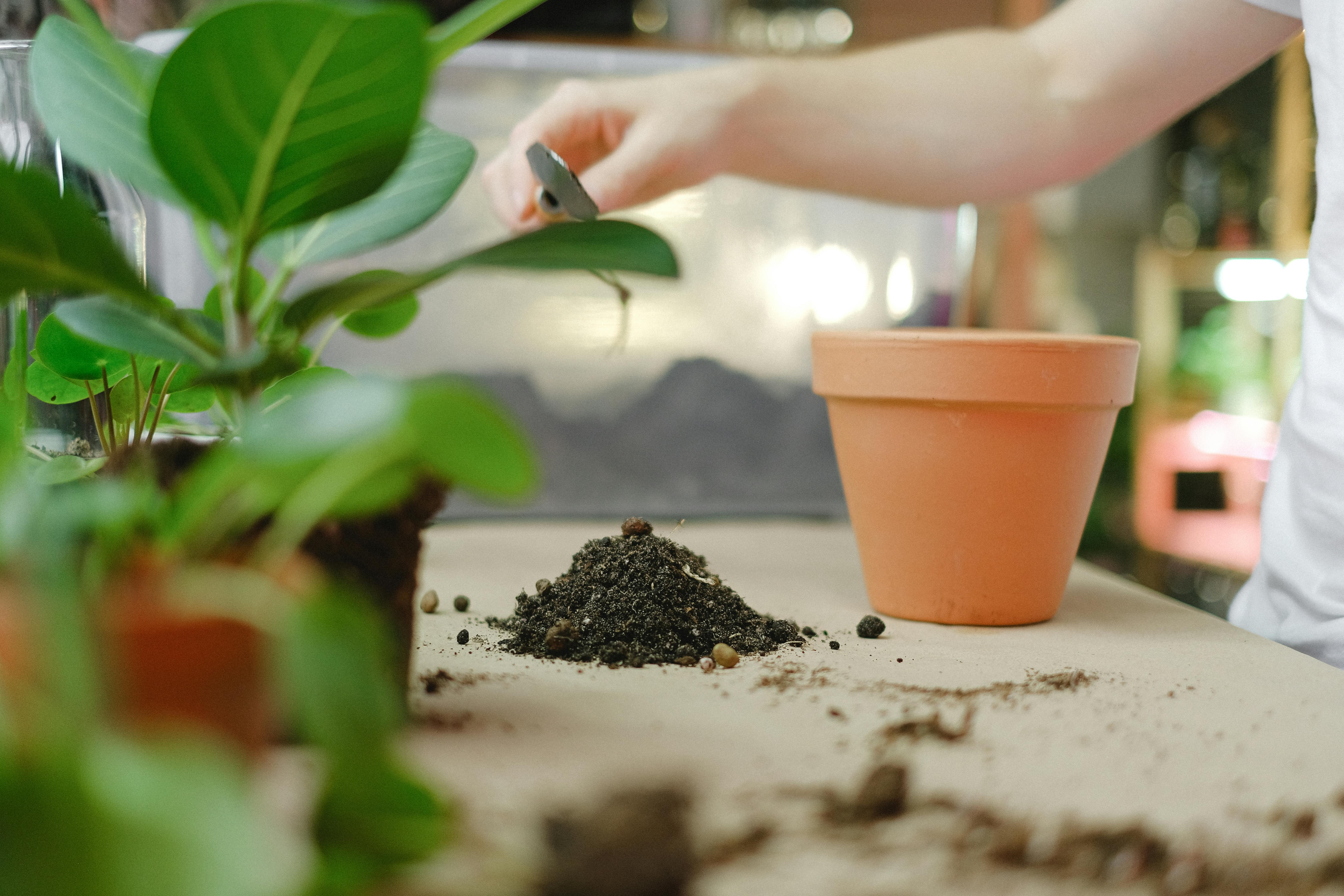
When I first started fertilizing my houseplants, I followed the instructions on the bottle — every two weeks, full strength. Within two months I had white salt crust on three pots and brown, burned leaf tips on my peace lily and pothos. I backed off to monthly, then experimented with half strength, then started tracking what actually produced the best growth with the fewest negative side effects. After several years of refining my approach across a collection of about 25 plants, I can tell you that the answer to "how often?" is genuinely not one-size-fits-all — but there are clear, practical guidelines that will get you much closer than the fertilizer bottle will.
Why Fertilizer Frequency Matters So Much
Houseplants in containers are entirely dependent on you for nutrients. Unlike garden plants whose roots explore progressively larger volumes of soil, houseplants are confined to a fixed medium that depletes over time. Without supplemental feeding, plants gradually exhaust the nutrient reserves in their potting mix and show the familiar signs of deficiency: slowing growth, progressively smaller and paler new leaves, and loss of color intensity. But fertilizing too often — or at too-high concentrations — builds up mineral salt accumulations that burn roots and impair the plant's ability to absorb water and nutrients. The goal of a good fertilizing schedule is to replenish nutrients at roughly the rate the plant is using them — no more, no less.
The rate at which plants use nutrients is directly driven by their growth rate, which is in turn driven primarily by light. A plant in bright light grows fast and uses more nutrients. A plant in low light grows slowly and needs far less feeding. This is the most important principle in houseplant fertilization, and it's why universal schedules printed on fertilizer packaging are so often wrong for individual plants and conditions. University of Minnesota Extension's houseplant care resources emphasize matching fertilizer application to observed plant growth rate rather than fixed calendars, noting that light-limited plants are especially prone to fertilizer salt accumulation when fed on schedules designed for actively growing specimens.
General Fertilizing Frequency by Plant Type and Season
Fast-Growing Tropical Foliage Plants
Monsteras, pothos, heartleaf philodendrons, tradescantia, and other fast-growing tropical foliage plants benefit from fertilization every three to four weeks during the active growing season — generally March through September in most of North America. I use a balanced liquid fertilizer (10-10-10 or 20-20-20) diluted to half the label strength. Half strength applied every three to four weeks delivers nutrients consistently without accumulating excess salts. Full-strength applications are rarely necessary and significantly increase burn risk. Pause fertilizing from November through February when growth slows with declining winter light.
Slow-Growing and Low-Light Plants
Snake plants, ZZ plants, cast iron plants, and other slow growers need much less frequent feeding — every six to eight weeks during the growing season, at half strength, is more than adequate. These plants have low metabolic rates and accumulate fertilizer salts quickly when fed on the same schedule as fast growers. I've had excellent results fertilizing my snake plant collection just three times per year: once in early spring, once in early summer, and once in early fall — and that's it.
Flowering Plants
Actively blooming houseplants have specific nutrient needs that differ from foliage plants. During bud formation and blooming, phosphorus demand increases significantly. Switching to a fertilizer with a higher middle number — such as a 10-30-10 bloom booster — every two to three weeks during the bloom cycle can noticeably improve flower production and longevity. After blooming, return to a balanced fertilizer at reduced frequency. Peace lilies, African violets, anthuriums, and orchids all respond well to this bloom-stage feeding adjustment.
Newly Repotted Plants
Never fertilize immediately after repotting. Fresh potting mix contains nutrients from the manufacturer's formulation, and the root system is in recovery mode after the disturbance of repotting. Fertilizing into disturbed, partially damaged roots causes burn far more easily than fertilizing established root systems. Wait at least four to six weeks after repotting before introducing any fertilizer, and start at quarter strength for the first application. Gardening Know How's repotting and fertilization guides consistently recommend the four-to-six-week post-repotting hold before resuming feeding, citing root damage and nutrient sensitivity in newly disturbed root systems as the primary reason for this buffer period.
Fertilizer Types and How They Affect Frequency
The type of fertilizer you choose determines how frequently you need to apply it. Liquid fertilizers are diluted in water and applied at each watering or every few weeks — they're the most controllable form and the easiest to adjust quickly if signs of over- or under-feeding appear. They're my preferred format for most houseplants because you can increase or decrease concentration instantly.
Slow-release granular or pellet fertilizers are mixed into potting soil or scattered on the surface and release nutrients gradually over several months. These are convenient for low-maintenance growers but offer less control — you can't easily reduce nutrient input if the plant shows signs of stress. Slow-release fertilizers are well-suited to outdoor container plants but can lead to salt accumulation in indoor containers, especially in winter when growth slows and fertilizer continues releasing regardless.
Fertilizer spikes — pressed pellets pushed into the soil — work on similar principles to slow-release granules and have similar limitations. They concentrate nutrients in a specific zone near the spike rather than distributing them evenly through the root zone, which can create localized hotspots of high nutrient concentration. If you use spikes, push them in at the pot's edge rather than center to reduce the risk of high-concentration contact with the main root mass. According to The Spruce's houseplant fertilizing guides, liquid fertilizers offer the most precise control over nutrient delivery for indoor container plants and are the recommended format for most home growers who want to adjust feeding in response to plant performance.
Reading Your Plant: When to Feed More and When to Back Off
Beyond schedules, learning to read your plant's nutrient status is the most advanced and most valuable fertilizing skill you can develop. Signs your plant may need more frequent feeding: consistently smaller new leaves than previous growth, leaves losing color intensity or variegation vibrancy, and slow growth in a plant that's receiving good light. Signs you're feeding too much or too often: white salt crust on the soil or pot rim, brown crispy leaf tips (especially on the newest growth), and — in more serious cases — wilting that doesn't resolve after watering.
If you see over-fertilization signs, the correct response is to flush the soil thoroughly (passing two to three times the pot volume of room-temperature water through the medium) before resuming any feeding. Then resume at half your previous frequency and concentration and assess the plant's response over two to four weeks before adjusting further.
Common Mistakes in Fertilizing Frequency
- Following the "every two weeks" instruction on fertilizer bottles at full strength: Label directions are calibrated for optimum commercial performance, not long-term indoor plant health. Half strength is almost universally safer.
- Fertilizing on a fixed schedule regardless of the plant's growth rate: A plant in low light in winter needs feeding far less often than a plant in bright light in summer. Growth rate should drive feeding frequency.
- Fertilizing to fix yellowing: Yellowing caused by watering or light issues won't be fixed by fertilizing — it will be compounded by it.
- Using slow-release fertilizer year-round without accounting for winter dormancy: Slow-release products continue releasing through winter whether the plant is growing or not, building salt levels in dormant plants.
- Never flushing the soil between fertilizer seasons: Annual salt flushing in spring, before resuming the growing season feeding schedule, prevents long-term accumulation from degrading root health.
Quick Reference Fertilizing Frequency Table
| Plant Type | Growing Season Frequency | Winter Frequency |
|---|---|---|
| Fast-growing tropicals (pothos, monstera, philodendron) | Every 3–4 weeks at half strength | Pause Nov–Feb |
| Slow growers (snake plant, ZZ plant, cast iron plant) | Every 6–8 weeks at half strength | Pause entirely |
| Flowering houseplants (African violet, anthurium, peace lily) | Every 2–3 weeks with bloom booster during bloom | Pause or minimal feeding between bloom cycles |
| Herbs under grow lights | Every 2–3 weeks at light strength | Continue at reduced frequency |
| Newly repotted plants | Wait 4–6 weeks post-repot; then quarter-strength first feed | N/A |
Frequently Asked Questions
Is it better to fertilize a little at every watering or in larger doses less often?
A small-but-consistent approach — diluting fertilizer to a quarter strength and adding it at every watering — is popular among experienced growers for good reason. It provides a steady, low-level nutrient supply that mirrors how plant roots absorb nutrients in nature, and reduces the risk of periodic salt spikes that come with less frequent but stronger applications. This method requires a separate "plain water" flush every fourth or fifth watering to prevent long-term salt accumulation, but many growers find it produces the most consistent results.
Can I fertilize a plant that is flowering?
Absolutely — in fact, flowering plants often need more feeding during bloom periods, not less. Switch to a fertilizer higher in phosphorus during bud formation and bloom, and return to a balanced fertilizer after the flowers fade. The one exception: some plants like cyclamen prefer very light feeding even during bloom — follow species-specific guidance for flowering houseplants rather than applying the general tropical foliage fertilizer approach.
My plant hasn't grown in two months despite fertilizing — what's wrong?
Lack of growth despite fertilizing almost always indicates a limiting factor other than nutrients — most commonly insufficient light, compacted soil, or a root problem like rot. Nutrients only stimulate growth when all other requirements are being met; without adequate light, a plant simply cannot use the nutrients you're providing, and they accumulate as salt instead. Address light first, check the root zone for rot or compaction, and then reassess your feeding schedule once the fundamental conditions are correct.
A thoughtful fertilizing schedule is one of those things that quietly pays off over years — the difference between a plant that grows moderately and one that genuinely thrives is often as simple as the right nutrients at the right time, in the right amount. Drop your fertilizer questions in the comments below, and check out our companion posts on how to identify and treat fertilizer burn and whether your plants need feeding through winter.
About the Author
Written by Sage Avery, a plant care writer at Plant Companion Guide. For how we create and update content, see our editorial policy.