How to Care for a Fiddle Leaf Fig
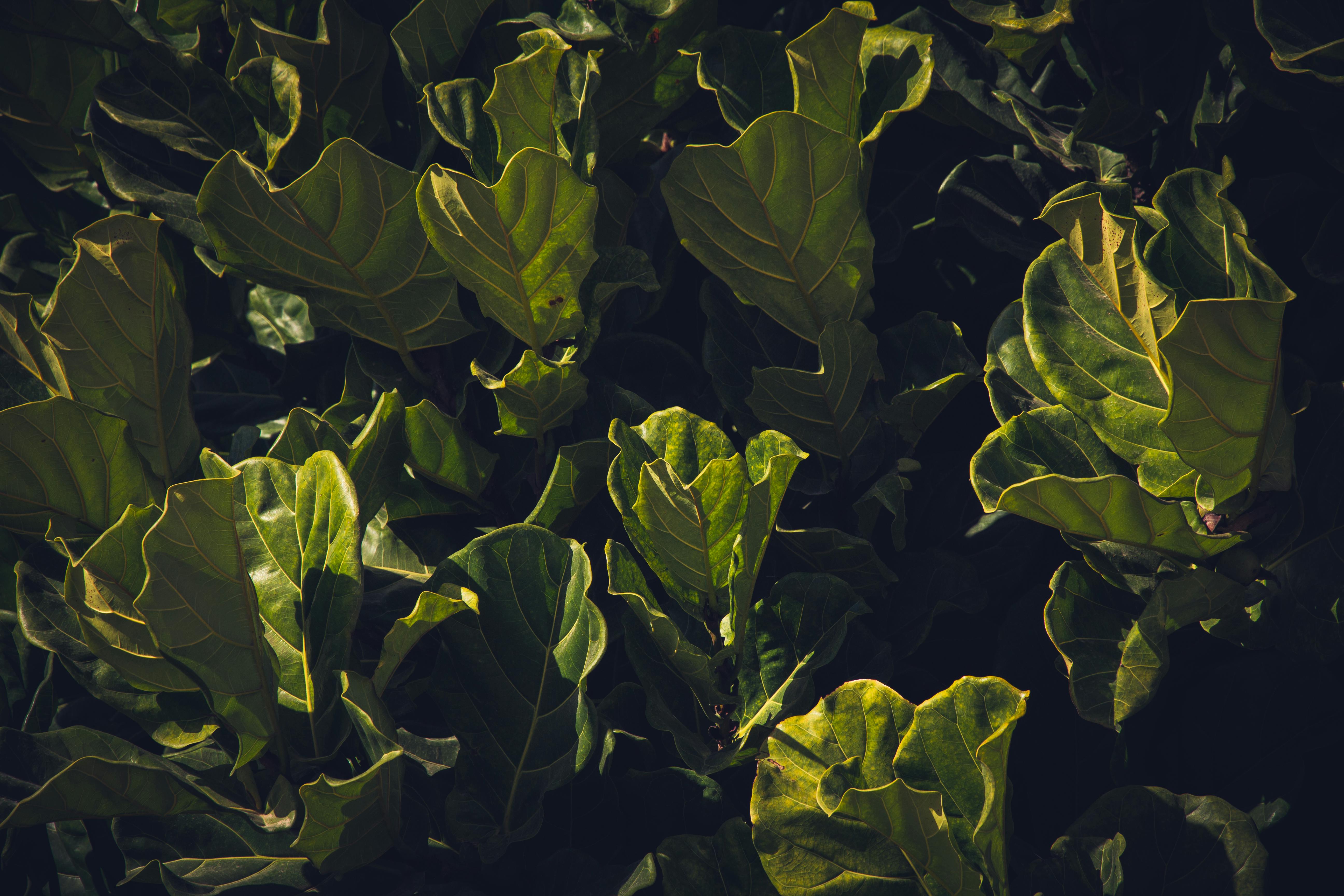
Taming the Temperamental Fiddle: A No-Nonsense Guide
The Ficus lyrata is infamous for dropping leaves at the slightest offense. After nursing one back from near-death with a single remaining leaf, I learned its demands are specific but logical. Consistency is key.
Non-Negotiable Care for a Happy Ficus
- Light: It craves very bright, indirect light (2,000+ FC). A south or west-facing window (with sheer curtain protection from hot afternoon sun) is ideal. Low light causes leaf drop and legginess.
- Water: This is critical. Water only when the top 2-3 inches of soil are dry. Then, water thoroughly until it runs from the drainage holes. Never let it sit in water. Inconsistent watering (too wet or too dry) causes brown spots and leaf drop.
- Soil: Must be fast-draining. Use an African violet mix or add perlite to indoor potting soil.
- Humidity: Prefers 40-60%. Low humidity encourages brown, crispy leaf edges.
- Temperature: Keep between 65-75°F. Avoid cold drafts and sudden temperature changes.
- Fertilizer: Feed monthly in spring/summer with a balanced, liquid fertilizer at half strength.
Comprehensive Troubleshooting
Brown Spots in Center of Leaf: Usually
overwatering/root rot. Check roots, repot if needed.
Brown, Crispy Leaf Edges:
Underwatering, low humidity, or salt/chemical buildup. Flush
soil with filtered water.
Sudden Leaf Drop:
Often due to a change in location (light/temperature), draft, or
shock. Be patient, correct conditions, and it may recover.
Not Growing:
Likely needs more light or fertilizer (in growing season).
Dusty Leaves:
Wipe leaves monthly with a damp cloth to allow for maximum
photosynthesis.
Expert Tip: Once you find a spot it likes, don't move it. Fiddle Leaf Figs are creatures of habit. Rotate it occasionally for even growth, but avoid relocating it across the room.

About the Author
Written by Sage Avery, a plant care writer at Plant Companion Guide. For how we create and update content, see our editorial policy.