How to Care for Succulents Indoors
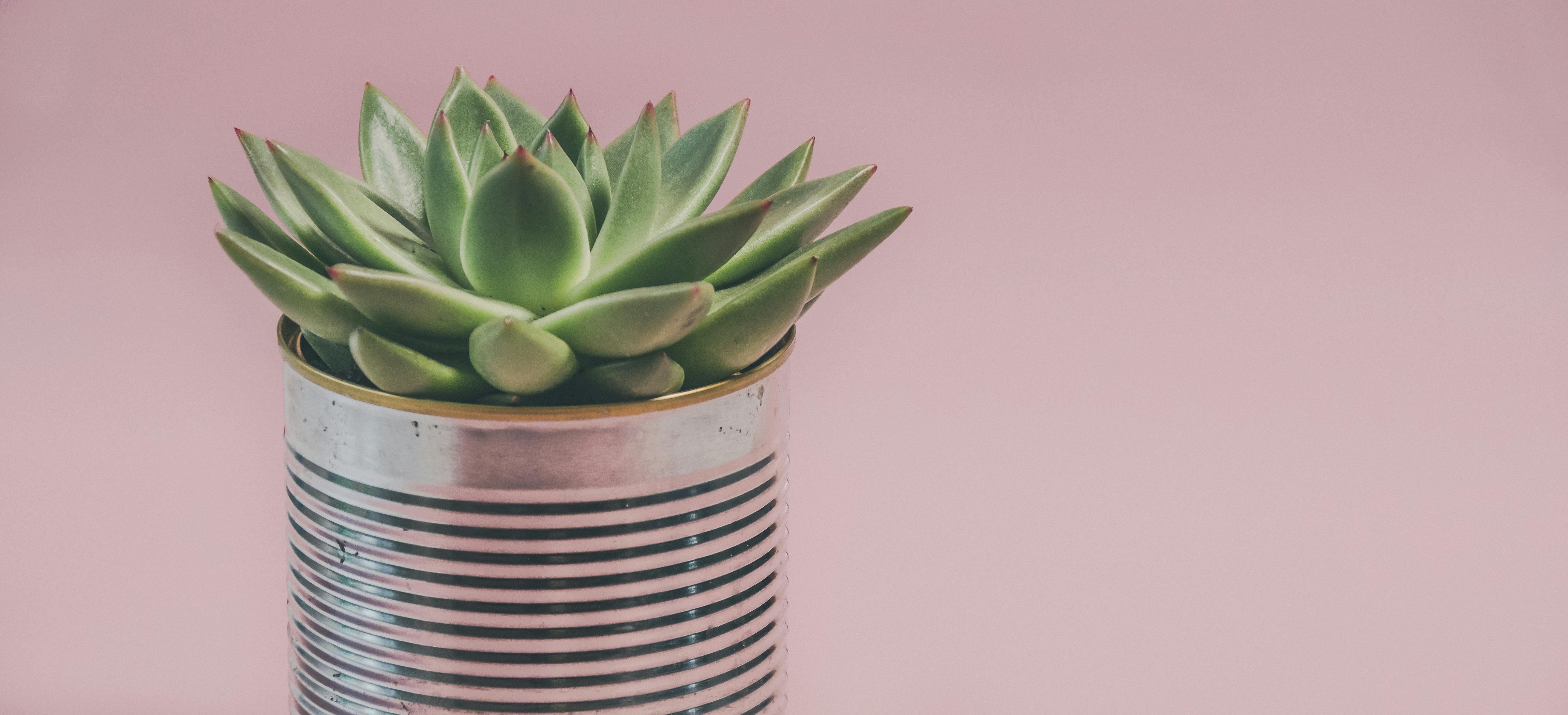
Bringing the Desert Inside: Keys to Indoor Succulent Success
My first succulent dish garden turned to mush within months. I learned that growing succulents like Echeveria and Sedum indoors requires replicating their native arid conditions, which centers on two things: Light and Drainage.
#1 Priority: Maximize Light Exposure
Succulents need direct sunlight for at least 4-6 hours daily. A south or west-facing window is mandatory. In northern climates, they often stretch (etiolate) seeking light. If natural light is insufficient, supplement with a full-spectrum LED grow light placed 6-12 inches above the plants for 12-14 hours a day.
The Perfect Watering Technique
Drench the soil completely when it is 100% dry throughout—not just on the surface. Then, allow it to dry out completely again. This 'soak and dry' method encourages strong roots. In winter, watering frequency may drop to once a month or less.
Soil and Pot: The Drainage Duo
Soil: Standard potting soil holds too much
moisture. Use a specialized
cactus & succulent mix or make your own (2
parts potting soil, 1 part perlite, 1 part coarse sand).
Pot:
Always use a pot with a drainage hole. Unglazed terracotta is
ideal because it wicks away moisture.
Common Mistakes to Avoid
- Misting: Succulents hate wet leaves. It promotes rot and fungus.
- Using a Pot Without a Drainage Hole: This is a death sentence.
- Watering on a Schedule: Always check soil moisture first.
- Assuming All Succulents Are the Same: Some (like String of Pearls) need more frequent water than others (like Lithops).
Authority Reference: The Succulent Guide and university extensions provide species-specific care, which is crucial for success.

About the Author
Written by Sage Avery, a plant care writer at Plant Companion Guide. For how we create and update content, see our editorial policy.