How to Divide Perennials: When, How, and Which Plants Benefit
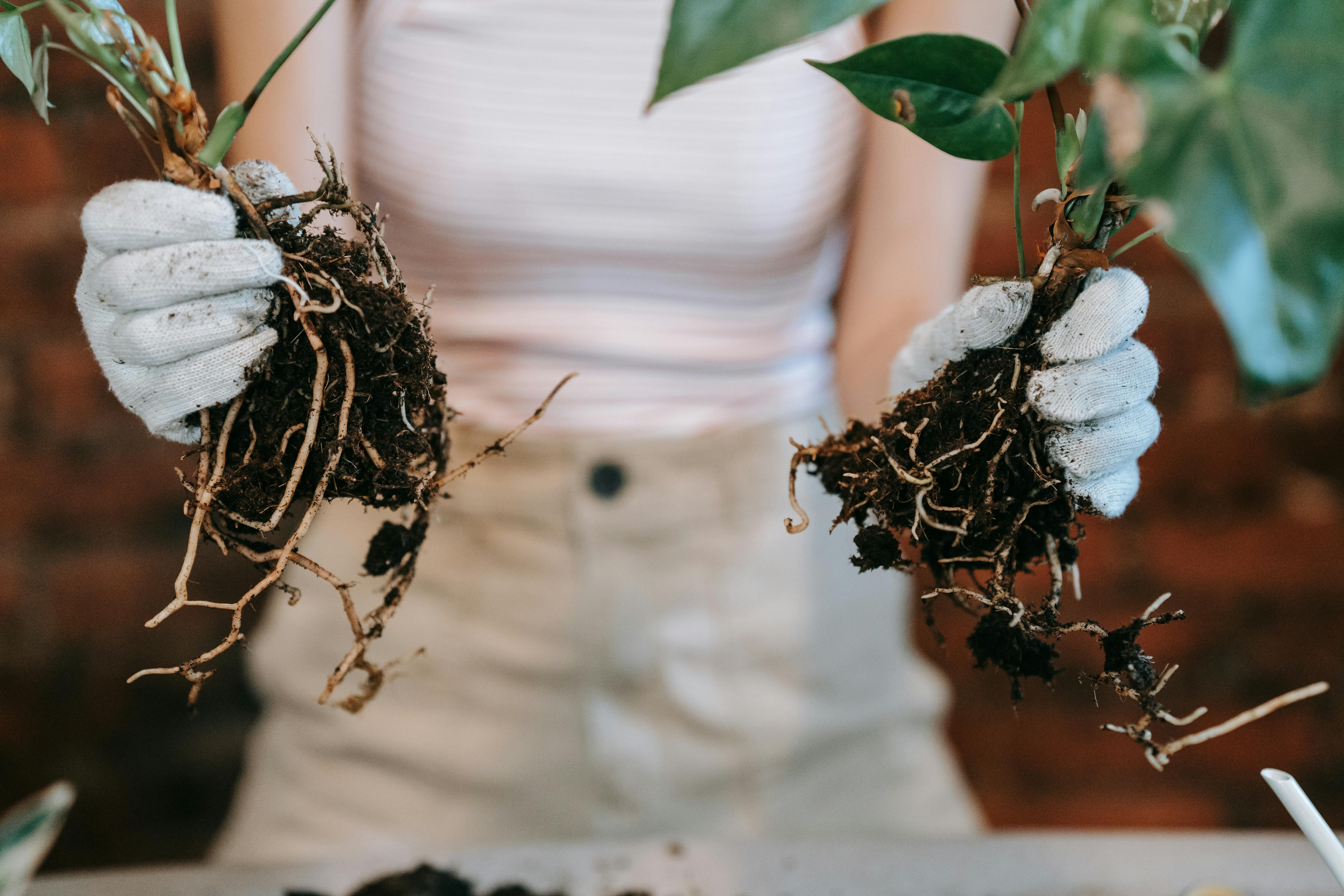
Dividing perennials is one of those garden tasks that rewards you twice: it rejuvenates plants that have become overcrowded and less productive, and it creates multiple new plants for free. Done at the right time, with the right technique, most perennials recover within a few weeks and grow more vigorously than they did in their original clump. The challenge is knowing which plants to divide, when, and how aggressively.
Why Perennials Need Dividing
Most clump-forming perennials expand outward from the center each year. As the clump grows, the oldest tissue — typically the center — becomes woody, depleted, or simply too crowded to flower well. You may notice fewer blooms despite healthy-looking foliage, dieback in the center of a previously dense clump, stems that flop because they have no support from neighboring stems, or roots visibly pushing each other out of the ground. These are all signs that the plant has outgrown its space and would benefit from being split apart, discarded (or composted) at the center, and replanted with the vigorous outer sections.
Best Time to Divide
The timing depends on when the plant blooms. As a general rule: divide spring and summer bloomers in early fall (six to eight weeks before the ground freezes), so they have time to establish roots before winter. Divide fall bloomers (asters, rudbeckia, ornamental grasses) in early spring as growth resumes. This allows each division its full growing season to establish before facing its first winter or its first summer drought.
The exception is crisis division — a plant that has become severely overcrowded or is being transplanted from a demolished area — which can be done any time but requires extra care with watering and shade protection for a few weeks afterward.
How to Divide: Step-by-Step
Water the plant thoroughly a day before dividing to reduce transplant stress. Dig up the entire clump with a border fork or spade, working 15–20 cm outside the visible spread of the plant to avoid cutting roots unnecessarily. Lift the whole clump and move it to a flat working surface. Shake off excess soil to see the root structure clearly.
For plants with loose, fibrous roots (daylilies, hostas, coneflowers): pull divisions apart by hand or use two garden forks inserted back-to-back and levered against each other. Each division should have at least three to five healthy shoots and a substantial root section. For plants with dense, woody root crowns (peonies, ornamental grasses, irises): use a sharp spade or pruning saw to cut through the crown. Cut cleanly rather than ripping. Discard the woody central section and keep only outer, vigorous sections.
Which Perennials Divide Easily
Excellent candidates for division: daylilies (Hemerocallis), hostas, black-eyed Susan (Rudbeckia), coneflower (Echinacea), bee balm (Monarda), asters, salvia, ornamental grasses, yarrow (Achillea), and sedum. These all form expanding clumps that divide readily and recover quickly. Divide them every three to five years as a standard maintenance practice.
Plants that do NOT divide well or that don't need it: peonies (they resent root disturbance and may not bloom for two to three years after division), lupins (tap-rooted and don't split), hellebores (divide only when badly overcrowded, and expect slow recovery), and most ornamental trees and shrubs.
After Dividing: Care for New Divisions
Replant divisions immediately — roots exposed to air dry out within minutes. Plant at the same depth as they were growing before. Water thoroughly after planting and keep the soil evenly moist for the first two to three weeks. If dividing in warm weather, provide light shade for the first week to reduce transpiration stress. Apply a thin layer of mulch around (but not against) the stems to retain moisture. Don't fertilize for the first four to six weeks — disturbed roots are sensitive and concentrated fertilizer can burn them.
About the Author
Sage Avery is a passionate gardener and plant enthusiast sharing tips for a greener life.