How to Get Rid of Fungus Gnats
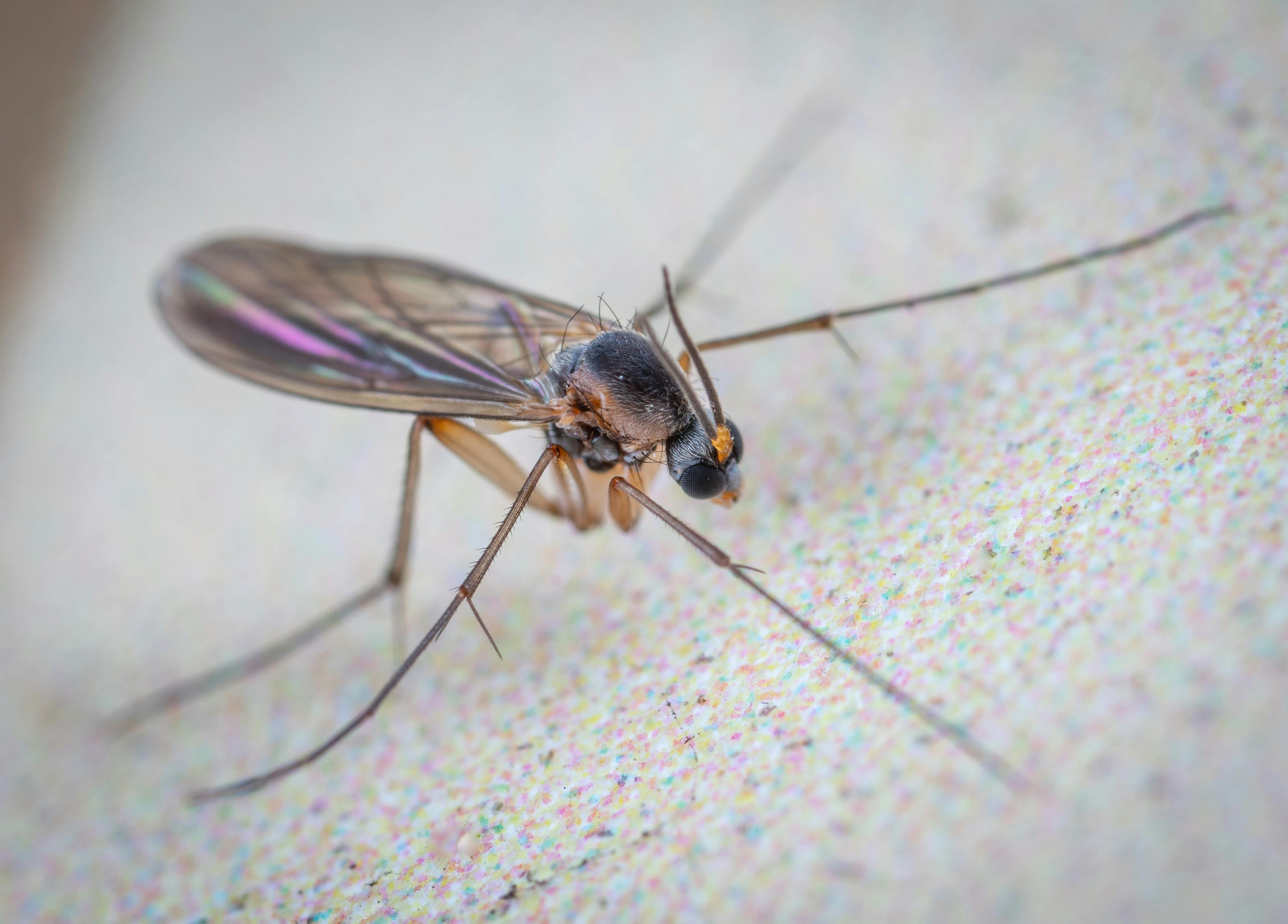
Banishing the Tiny Black Flies for Good
Seeing a cloud of tiny black flies rise from my plant pots was a low point in my plant journey. Fungus gnats (Sciaridae) are harmless to humans but their larvae feed on roots and organic matter in damp soil. Here are the 5 methods I combined to eradicate them.
1. Let the Soil Dry (The First Defense)
The larvae need consistently moist soil to survive. Allow the top 1-2 inches of soil to dry completely between waterings. This simple step disrupts their life cycle dramatically.
2. Yellow Sticky Traps (For Adults)
Place yellow sticky traps horizontally on the soil surface or vertically nearby. The adults are attracted to the color and get stuck. This doesn't affect larvae but reduces egg-laying adults. I saw a 50% reduction in a week.
3. Bacillus thuringiensis israelensis (Bt-i) - The Microbial Assassin
This is the most effective treatment. Bt-i (Mosquito Bits/Dunks) is a natural bacteria that specifically kills gnat and mosquito larvae. Steep Mosquito Bits in your watering can overnight, then water all plants. Repeat every 10-14 days for a month.
4. Hydrogen Peroxide Drench (For Severe Infestations)
Mix one part 3% hydrogen peroxide with four parts water. Water the plant thoroughly. It fizzes as it kills larvae and eggs in the soil on contact. It also aerates the roots. Use with caution and only on plants that need watering.
5. Soil Barriers (Prevention)
After treatment, cover the soil surface with a 1/2 inch layer of coarse sand or Gnat Nix (calcined clay). This creates a dry, physical barrier that prevents adults from laying eggs.
Expert Confirmation: The UC IPM Program's Pest Note on Fungus Gnats validates these integrated pest management strategies.

About the Author
Written by Sage Avery, a plant care writer at Plant Companion Guide. For how we create and update content, see our editorial policy.