How to Grow Houseplants From Seed: What's Worth the Effort
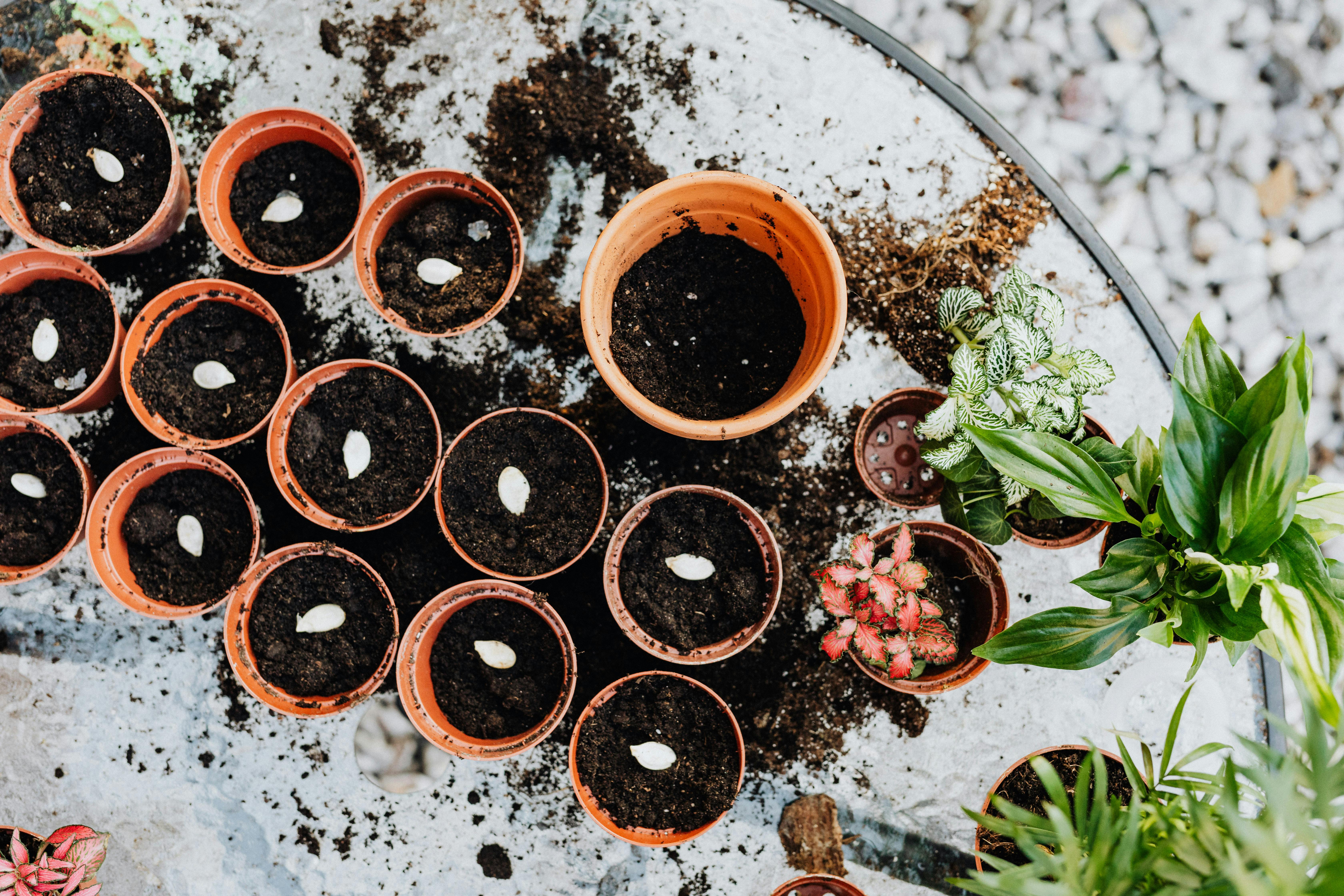
Growing houseplants from seed is slower, harder, and more failure-prone than buying an established plant or starting from a cutting — but it's also one of the most satisfying processes in gardening. Watching a seed germinate and develop into a full plant is a different experience from propagating existing material. Whether it's worth the effort depends heavily on which plant you're trying to grow and what your realistic conditions are.
When Seed-Growing Makes Sense
Some houseplants are genuinely best started from seed. Annual flowering plants grown as houseplants — impatiens, marigolds kept as indoor color, and annual herbs — are grown from seed every season because they don't persist. If you want to grow a rare plant that isn't available as a cutting or established specimen in your area, seed is often the only option: unusual begonia species, certain orchids, and many exotic aroids are more accessible as seeds (especially through specialty seed exchanges) than as plants. Seeds are also inexpensive — you can grow fifty plants for the cost of one cutting from a nursery.
For common, easily propagated houseplants — pothos, philodendrons, hoyas, snake plants — seed is almost never worth it. These plants root from cuttings within weeks, while seeds take months to develop into plants of comparable size. The exception is if you're interested in the biology of the process itself.
Germination Basics
Seeds need three things to germinate: the right temperature, moisture, and in some cases light (though many seeds germinate equally well in darkness). Most tropical houseplant seeds want soil temperatures between 70–80°F (21–27°C) to germinate reliably — warmth at the lower end of this range often extends germination time significantly or causes partial germination. A heat mat set to the lower setting makes a dramatic difference if your home is cool. Seeds also need consistent moisture without waterlogging — the surface should be damp at all times but never sodden.
Seed starting mix is different from standard potting mix — it's finer, drains more freely, and usually has little or no fertilizer. Fertilizer in seedling mix can damage delicate newly germinated roots. Use a seed-specific mix or make your own with equal parts coconut coir and perlite.
The Waiting and the Failure Rate
Germination rates for houseplant seeds are often lower than for vegetable or flower seeds. Fresh seed from a reputable source might germinate at 60–80%; older or poorly stored seed can be much lower. Difficult seeds — many palms, certain aroids, orchids — require specific treatment (scarification, stratification, specific temperature cycling) that adds significant complexity. Beginner-friendly seeds for houseplants: Cyclamen, Coleus, various Begonias (especially annual and rex types), Kalanchoe, and many cacti and succulents. These germinate reliably without special treatment and develop into recognizable plants within a few months.
From Seedling to Houseplant
Seedlings are vulnerable in a way established plants are not. They have no reserves — a day or two without moisture can kill them, as can a day of direct sun when they're not yet adapted. The transition from seedling to established plant — technically called "hardening off" in outdoor growing, but equally relevant indoors — involves gradually exposing seedlings to brighter light, lower humidity, and drier soil intervals over two to three weeks. Rushing this step is responsible for much of the seedling death that happens between germination and potting up.
Pot seedlings up when they have two to four true leaves (not the first seed leaves, which are simpler and often a different shape) and their root system fills the seed cell or small pot they germinated in. Use a small container — no larger than 7–8 cm — for the first potting. Oversized pots accumulate moisture around young roots and increase rot risk.
About the Author
Sage Avery is a passionate gardener and plant enthusiast sharing tips for a greener life.