How to Make a Kokedama: Grow Plants in Japanese Moss Balls
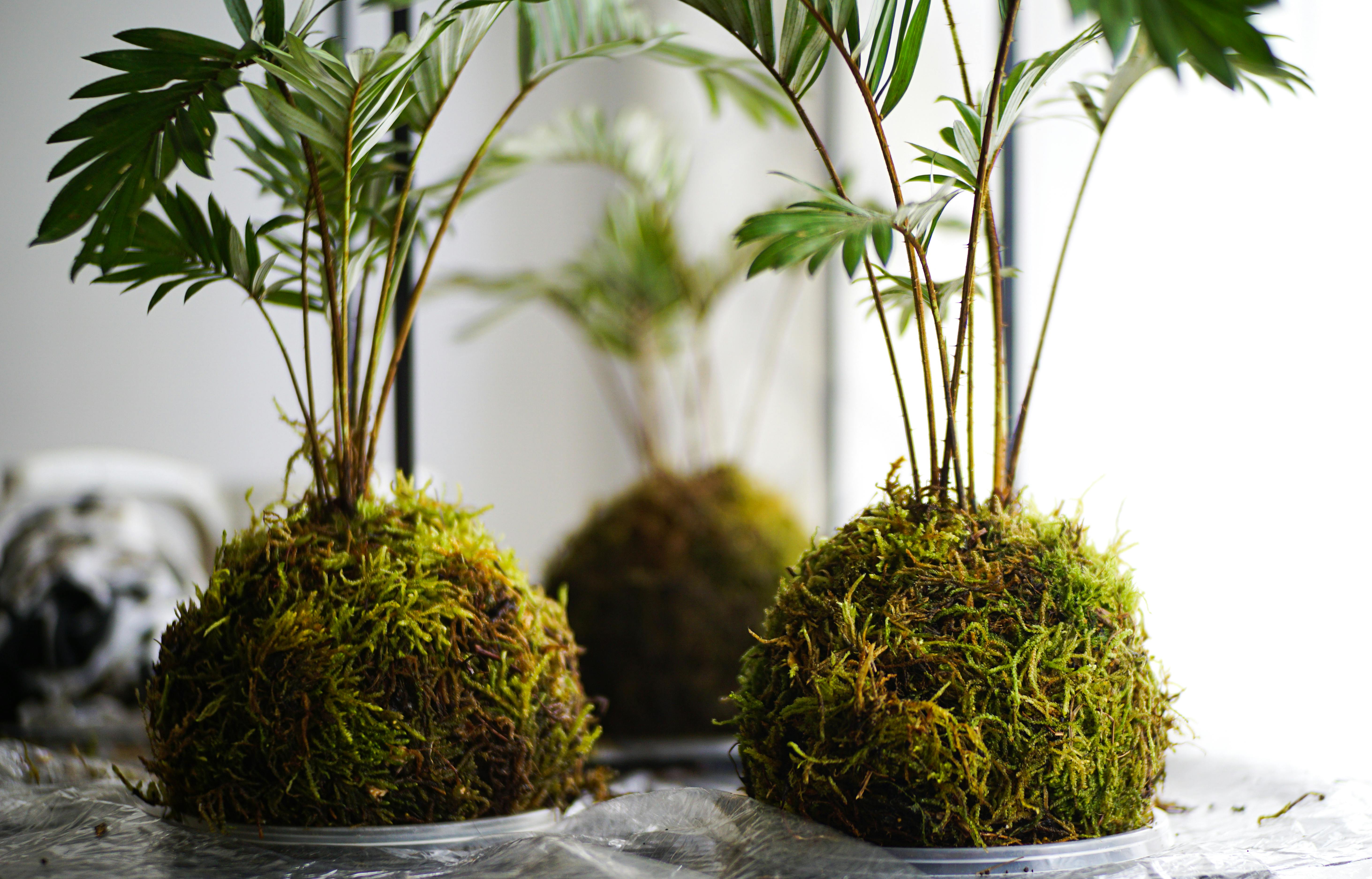
Kokedama — the Japanese art of growing plants in a ball of moss — is one of the most visually striking ways to display houseplants and requires no pot at all. A kokedama is exactly what it sounds like: a sphere of soil wrapped in sheet moss and tied with twine, from which a plant grows. Hanging from a ceiling or arranged on a surface, a collection of kokedama creates an otherworldly, suspended garden. Making one is easier than it looks, and maintaining it correctly keeps it looking good for years.
The Soil Mix
Traditional Japanese kokedama uses a mix of akadama clay, peat, and sand. A practical modern equivalent that's more readily available: mix two parts coconut coir (a sustainable peat alternative), one part regular potting mix, and one part clay soil or bonsai clay. The clay content is important — it helps the ball hold its shape. Standard potting mix alone is too light and will crumble. If you can't source bonsai clay, some growers add a small amount of red terracotta clay or even a tablespoon of kaolin clay purchased from art supply stores. The mix should feel like dense, moldable clay when moistened — able to hold the shape of your hand when squeezed.
Choosing a Plant
Plants for kokedama should be compact, relatively slow-growing (so the ball isn't outgrown within weeks), and tolerant of moist root conditions. Excellent choices: pothos (Epipremnum), heartleaf philodendron, ferns (particularly bird's nest fern or Japanese painted fern), peace lily (Spathiphyllum), small-leafed Ficus, asparagus fern, and succulents (for indoor arrangements, though succulents need faster drying and don't suit every kokedama display style). Avoid large, fast-growing plants that will overwhelm the ball quickly.
Making a Kokedama: Step-by-Step
Moisten the soil mix until it holds together when squeezed but doesn't drip. Remove your plant from its pot and gently shake off most of the soil from the roots, leaving a thin layer around the root ball. Shape the moistened soil mix into a flat circle, place the plant's root ball in the center, and fold the mix up around it, adding more soil to fill any gaps. Squeeze and shape the ball firmly — it should be roughly the size of a softball to a baseball depending on your plant. The goal is a smooth, dense sphere with no loose sections.
Soak sheet moss in water until pliable (dry sheet moss cracks). Wrap the moss around the soil ball with the green side facing out, overlapping sections to cover the soil completely. Hold it in place with one hand while winding twine, fishing line, or jute cord around the ball — wrap in multiple directions, crossing over each other to create a net-like structure that holds the moss in place. Tie off securely. Trim any ragged moss edges with scissors for a clean finish.
Watering a Kokedama
Watering is the trickiest part of kokedama care. The traditional method is submersion: place the entire moss ball in a bowl or bucket of water and let it soak for ten to fifteen minutes until thoroughly wet, then lift it out and allow it to drip dry in a sink before re-hanging or replacing. How often depends on the plant and environment — weekly is a starting point, but check by weight: a dry kokedama is noticeably lighter than a wet one. Misting between soakings helps maintain moss appearance but doesn't substitute for deep watering.
Light and Ongoing Care
Most kokedama plants do best in bright indirect light — the same conditions that suit most foliage houseplants. Position hanging kokedamas to avoid direct afternoon sun, which dries them rapidly and can scorch the moss. Fertilize monthly during the growing season by adding liquid fertilizer to the soaking water at half the recommended dose. As the plant grows, you'll eventually need to reshape the ball or transition the plant to a larger kokedama — most need refreshing every one to two years. Replace twine that starts to degrade before it breaks and drops the ball.

About the Author
Sage Avery is a passionate gardener and plant enthusiast sharing tips for a greener life.