How to Propagate Calathea by Division: Step-by-Step Guide
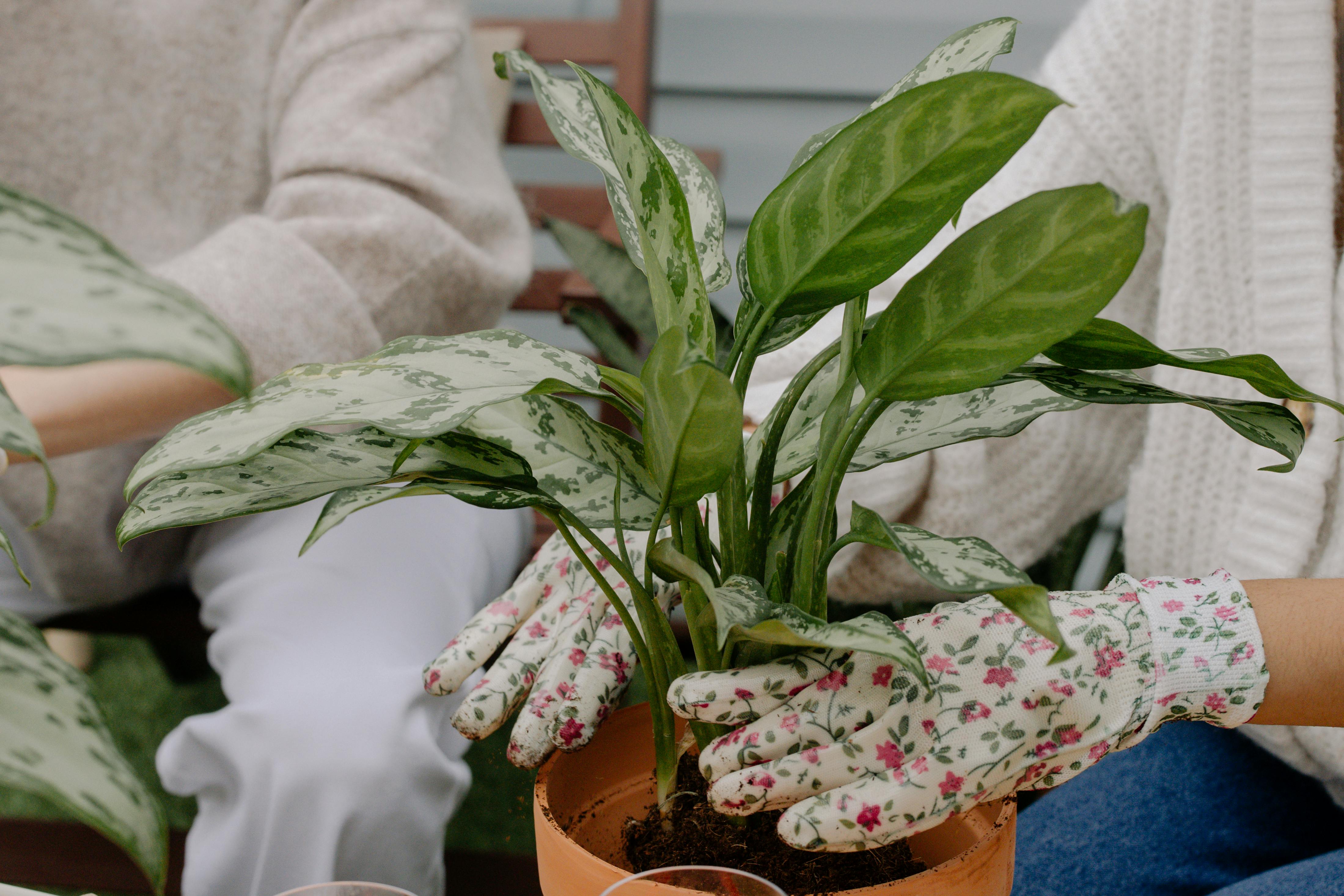
Calatheas and their relatives — Marantas, Ctenanthes, and Stromanthes — cannot be propagated by stem cuttings or leaf cuttings the way many other houseplants can. Their growth structure is fundamentally different: they grow from a central crown of multiple stems, each arising from the root system, rather than branching from a main stem. The only reliable propagation method for home growers is division — splitting an established plant into multiple smaller plants at the root level. Done correctly, both parent and division recover quickly and continue growing normally.
When to Divide
Spring is ideal: the plant is entering its active growing season, light levels are increasing, and the new divisions have the full summer ahead to establish roots before the slower winter period. Division can also be done in early summer. Avoid dividing in winter when growth has slowed — divisions made in low light, low temperature conditions take much longer to establish and are more vulnerable to rot. A plant is ready for division when it has developed several distinct stems or clumps emerging from the soil. Single-stem Calatheas can't be meaningfully divided; wait until the plant has three or more clearly separate growing points.
Tools and Preparation
You'll need: clean, sharp pruning shears or scissors (sterilized with rubbing alcohol), a clean flat surface to work on, fresh potting mix (a peat-free mix with good drainage, or standard potting mix with 20% perlite added), and two or three small pots — slightly larger than each division's root system. Water the plant thoroughly 24 hours before dividing to reduce root stress.
The Division Process
Remove the plant from its pot by tipping it on its side and easing the root ball out. Shake or gently brush away excess potting mix until you can see the root structure. You'll see that what looks like a single plant is actually several stems sharing a root system — often clearly divided into sections with their own root clusters. Identify natural divisions: groups of one to three stems that share a section of root. If there are no clear natural divisions, look for places where you can cut through the root mass while leaving each section with several healthy roots attached.
Using your shears or a clean knife, cut through the root mass between natural divisions. Some roots will inevitably be cut — this is normal and unavoidable. Larger, undamaged root sections on each division will quickly compensate. Trim any roots that are black, mushy, or extremely damaged. Leave sections that are white, tan, or firm. You want at least three to five stems and a reasonable root mass on each division — very small divisions with few roots take much longer to establish and are more vulnerable to transplant failure.
Potting the Divisions
Pot each division into a container only slightly larger than its root ball — overly large pots hold excess moisture that can cause root rot in a plant that isn't yet actively growing to use it. Fill around the roots with fresh potting mix, pressing lightly to eliminate air pockets. Water the potted division thoroughly but allow the water to drain fully. Then hold off watering for three to four days to encourage new root growth into the fresh mix. Calatheas are often more drought-tolerant than people expect — roots grow toward moisture, and letting the mix dry slightly after potting promotes root exploration.
Post-Division Care
Move divisions to a warm (68–75°F), bright but indirect light position. Calatheas do not want direct sun, which bleaches their decorative leaf markings. Maintain humidity above 50% if possible — a pebble tray with water, grouping plants together, or a small humidifier all help. Expect some leaf drop or yellowing in the first one to three weeks; this is normal as the plant adjusts. New growth emerging from the soil in three to four weeks is a reliable sign that roots have established and the division was successful. Resume regular feeding with diluted liquid fertilizer at that point.
About the Author
Sage Avery is a passionate gardener and plant enthusiast sharing tips for a greener life.