Hoya Care: Grow Wax Plants Indoors and Get Them to Bloom
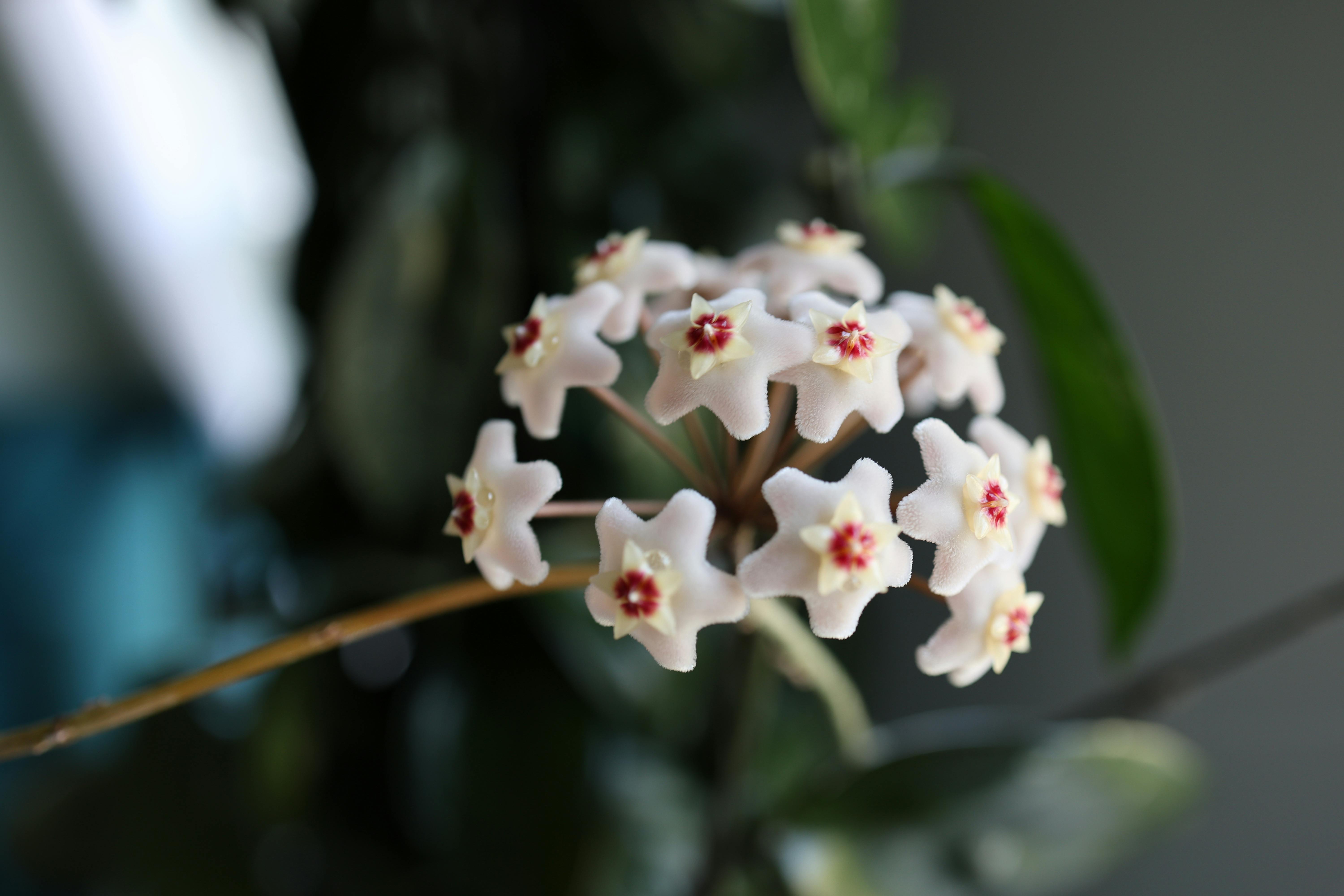
My first hoya, a Hoya carnosa 'Krimson Queen', sat in a south-facing windowsill for two years and never produced a single bloom. I'd overwatered it through winter, snipped off every old spur thinking it was spent growth, and wondered why it refused to flower. The day I finally stopped fussing — moved it to a bright east window, cut watering to once every two weeks in January, and left those spurs alone — clusters of pink star flowers appeared within one growing season. Hoyas are rewarding plants, but they operate on their own schedule, and understanding that schedule changes everything.
Understanding Hoya Light and Placement Indoors
Hoyas are native to tropical and subtropical Asia and Australia, where they grow as epiphytes scrambling through tree canopies in dappled to bright indirect light. Indoors in North America, the sweet spot for most species is bright indirect light: within two to four feet of a south or east-facing window, or directly in front of a sheer-curtained south window. Hoya carnosa, Hoya pubicalyx, and Hoya kerrii all tolerate higher light and will reward it with faster growth and more blooms. Variegated cultivars like 'Krimson Princess' need that extra brightness to maintain their cream-and-green patterning — too little light and the variegation reverts to plain green.
Low light does not kill hoyas outright, but it stalls growth and virtually eliminates flowering. If your plant is more than six feet from a window or in a north-facing room, blooming is unlikely. According to The Spruce's houseplant care resources, hoyas are among the few tropical houseplants that benefit from a few hours of gentle direct morning sun, which mimics their dappled canopy habitat without scorching their waxy leaves.
Watering Hoyas: The Root-Rot Risk Is Real
Hoyas store water in their thick, succulent-like leaves, which means they tolerate drought far better than overwatering. The most reliable watering method is the "soak and dry" approach: water thoroughly until it drains from the pot's bottom, then allow the top half of the soil to dry out completely before watering again. In a heated indoor environment during summer growing season, this typically means every seven to ten days. In winter, I cut back to once every fourteen to twenty-one days and the plants are visibly happier for it.
Terracotta pots are excellent for hoyas because they wick moisture away from the root zone. Plastic pots work but require even more restraint with watering. Root rot — caused by Phytophthora and Pythium species — is the leading cause of hoya decline indoors. Signs include yellowing lower leaves, a mushy stem base, and a sour smell from the soil. If you notice these, unpot the plant, trim blackened roots, and repot into dry, fresh mix. For guidance on diagnosing root problems, the Missouri Botanical Garden's houseplant care section provides reliable overwatering and root health guidance.
Soil, Fertilizing, and Getting Your Hoya to Bloom
Hoyas need excellent drainage above all. My go-to mix is two parts standard perlite-amended potting mix, one part orchid bark, and one part perlite. This creates an airy, fast-draining medium that mimics the loose organic matter hoyas root into in the wild. Avoid any mix with significant peat or coir retention that stays wet for days.
For fertilizing, a balanced liquid fertilizer (10-10-10 or 20-20-20 diluted to half strength) applied monthly during the growing season supports healthy leaf growth. When you want to trigger blooms, switch to a high-phosphorus fertilizer (like a 5-10-5 or bloom booster formula) in late winter through spring. The critical bloom secret, however, is the rest period: keep hoyas cooler (55–60°F / 13–16°C) and significantly drier through November and December. This temperature and moisture stress mimics their dry-season signal and triggers bud production. Also — and this is crucial — never remove old flower spurs. Hoyas rebloom on the same peduncles year after year. Cutting them off resets the clock by one or two seasons.
Propagating Hoya Successfully
Hoyas are among the most satisfying plants to propagate. Stem cuttings with two to three leaves and at least one node root reliably in water, moist perlite, or a mix of perlite and potting soil. Water propagation is slow but allows you to monitor root development; soil or perlite propagation tends to produce stronger roots better adapted to dry-down cycles. Cut just below a node at a 45-degree angle, allow the cut end to callous for an hour, then place in your rooting medium. Roots appear in three to eight weeks depending on temperature — warmth above 70°F (21°C) accelerates the process significantly. Read our detailed hoya propagation guide for step-by-step photos and timeline expectations.
Leaf-only cuttings (a single leaf without a node) will root but will never produce a plant. You need a node. Once rooted, pot into a small container — hoyas bloom better when slightly root-bound. See also our water vs. soil propagation comparison for how these methods differ across species.
Common Mistakes to Avoid
- Removing old flower spurs: Those dry, brown stalks are next year's bloom sites. Leave them permanently.
- Overwatering in winter: A hoya that loses leaves in November has usually been watered on a summer schedule through December. Reduce frequency dramatically.
- Too small or too large a pot: Slightly root-bound is ideal. A pot too large holds excess moisture and delays blooming.
- Skipping the cool rest period: Consistent warmth year-round tricks the plant into staying vegetative. A mild temperature drop in winter is the bloom trigger.
- Placing in low light and expecting flowers: Without bright indirect light, hoyas grow slowly and rarely bloom indoors.
Quick Reference Hoya Care Table
| Factor | Ideal Condition |
|---|---|
| Light | Bright indirect; 2–4 ft from east or south window |
| Water (growing season) | Every 7–10 days; let top half of soil dry |
| Water (winter) | Every 14–21 days; near-dry soil |
| Soil | Fast-draining: potting mix + orchid bark + perlite |
| Humidity | 40–60%; tolerates average household humidity |
| Temperature | 60–80°F (16–27°C); 55–60°F in winter for bloom trigger |
| Fertilizer | Balanced monthly in growing season; bloom booster in late winter |
| Repotting | Every 2–3 years; prefers slightly root-bound |
Frequently Asked Questions
Why is my hoya not blooming after years of growth?
The three most common reasons are insufficient light, no winter rest period, and removed flower spurs. Ensure your hoya receives bright indirect light near a south or east window, reduce watering and drop temperatures by 10–15°F for six to eight weeks in winter, and inspect for any old spurs that may have been accidentally pruned. A plant that has never bloomed may also need a larger root system — give it one more growing season before intervening.
Are hoyas toxic to cats and dogs?
Hoyas are generally considered non-toxic to cats, dogs, and humans, making them one of the safer tropical houseplant choices for pet-owning households. However, the milky sap in some species can cause mild gastrointestinal upset if consumed in large quantities, so keeping plants out of reach of persistent chewers is still wise. Always verify with your veterinarian if you have concerns about a specific pet's reaction.
What is the difference between Hoya carnosa and Hoya pubicalyx?
Hoya carnosa is the classic wax plant with thick, rounded, sometimes speckled leaves, and it blooms in dense pink star clusters. Hoya pubicalyx has narrower, slightly mottled leaves and produces star-shaped flowers that range from deep maroon to pink depending on the cultivar — 'Red Buttons' and 'Pink Silver' are popular varieties. H. pubicalyx tends to grow more vigorously and blooms more readily with less fussing, making it an excellent choice for beginners.
Hoyas are patient plants that reward patience in return. Once you've dialed in their light, resisted the urge to overwater, and honored their winter rest, you'll find them among the most low-maintenance and stunning plants in your indoor collection. Got a hoya blooming story — or a stubborn one that refuses? Drop your biggest plant question in the comments below.
About the Author
Sage Avery is a passionate gardener and plant enthusiast sharing tips for a greener life.