Increase Humidity for Houseplants
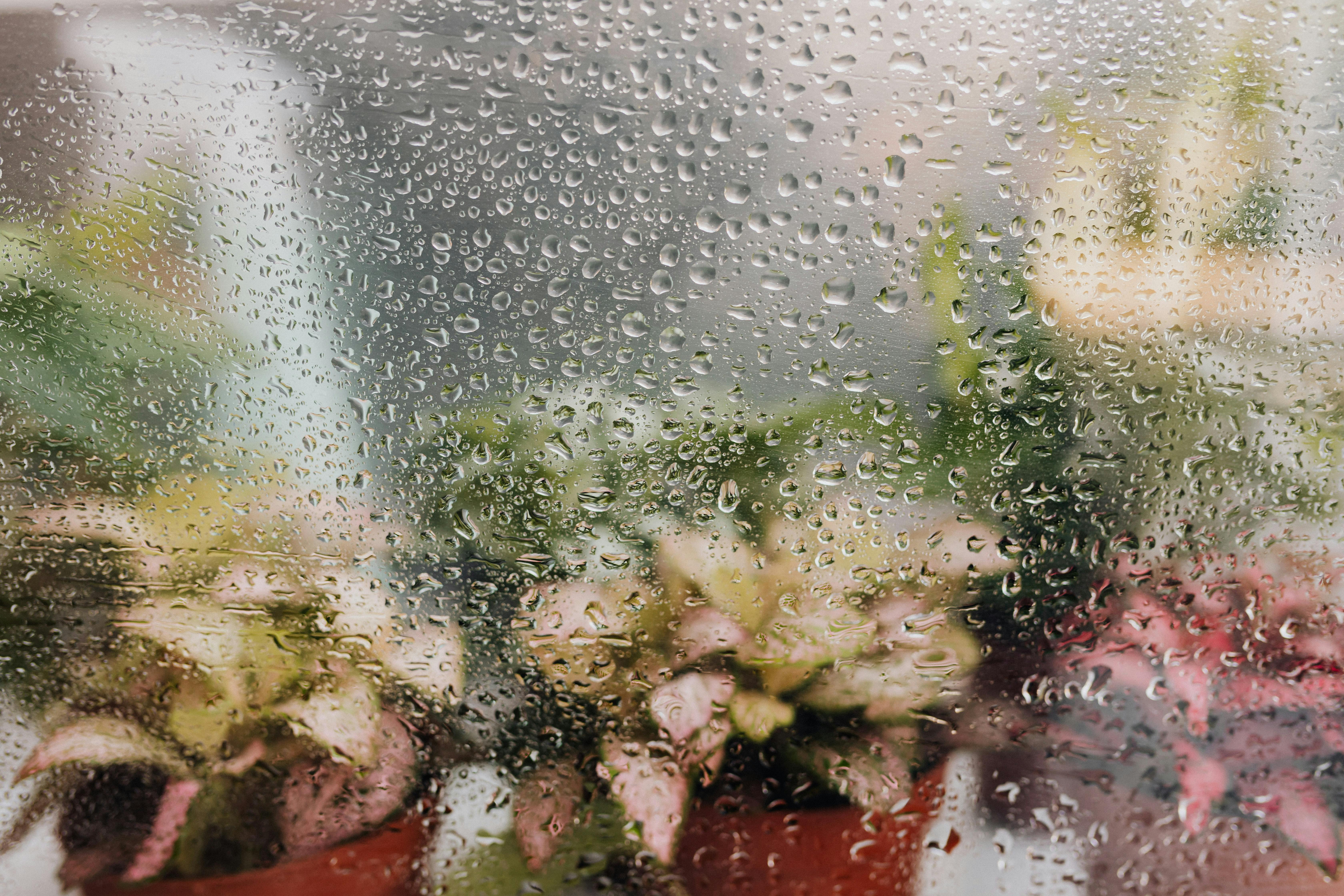
The moment the heat turns on in my USDA zone 6 home, my humidity drops and my plants start sending complaints: calatheas curl, spider plants brown at the tips, and growth slows. I’ve tried the whole list—misting, pebble trays, bathroom moves—and only a few methods consistently increase humidity for houseplants in real homes.
How to Increase Humidity for Houseplants: 7 Practical Ways That Work
Humidity matters most for thin-leaved tropicals (calathea, maranta, some ferns) and less for drought-tolerant plants. The goal is steadier air moisture during dry seasons, not turning your home into a greenhouse.
1) Small humidifier (best results for me)
A small unit near a plant shelf is the most reliable way I’ve found. I aim around 45–60% for fussy tropicals. For broad, reputable plant-care guidance on indoor environment, I often start with the Royal Horticultural Society and then adjust based on what my hygrometer shows.
2) Group plants together
Grouping plants creates a microclimate. It’s not magic, but it’s noticeable—especially on shelves.
3) Move plants away from vents and drafts
This is the fastest “free” humidity upgrade. Many leaf problems improve just by escaping hot, dry airflow.
4) Pebble trays (limited, but helpful)
Pebble trays help right at the plant level but rarely raise whole-room humidity in my experience.
5) Bathroom rotation (only if there’s light)
If your bathroom is bright enough, some plants love the humidity. If it’s dim, a small grow light can help.
6) Keep soil moisture consistent (without staying soggy)
Plants suffer when they swing between bone-dry and waterlogged. For practical indoor growing fundamentals that account for season and evaporation, cooperative extension resources like University of Minnesota Extension are a solid baseline.
7) Build a “plant nook”
A small, concentrated area (shelf + humidifier) works better than trying to humidify an entire open-concept space. If you’re fighting leaf curl specifically, see calathea leaves curling. If you’re seeing brown tips, see spider plant brown tips.
Seasonal note
Humidity struggles are strongest in winter. Climate varies widely; the USDA Plant Hardiness Zone Map is a quick reminder of how different heating seasons can be across regions.
Common Mistakes
- Relying on misting as the main strategy
- Creating stagnant air with no airflow
- Ignoring vent placement
- Overwatering to “fix” crispy edges
- Not cleaning humidifiers regularly
- Expecting drought-tolerant plants to need high humidity
Quick Reference Care Table
| Method | Cost | Best For | My Verdict |
|---|---|---|---|
| Humidifier | $$ | Tropicals in winter | Most effective |
| Grouping | $ | Shelves | Helpful boost |
| Pebble tray | $ | Single plants | Small-area help |
| Move from vents | $ | Most plants | Fast win |
FAQ
Does misting increase humidity?
Briefly, but it fades quickly. I don’t consider it a reliable whole-day solution in most homes.
What humidity level should I aim for?
Many tropicals behave better around 45–60%. I focus on stability more than a perfect number.
Can higher humidity cause mold?
It can if air is stagnant. I pair humidity with gentle airflow and avoid constantly wet surfaces.
If you’re trying to increase humidity for houseplants, start with a small humidifier near the plants you care about most. Tell me your current humidity reading in the comments below and what plants you’re growing, and I’ll suggest the simplest setup.

About the Author
Written by Sage Avery, a plant care writer at Plant Companion Guide. For how we create and update content, see our editorial policy.