Indoor Cactus Care: Grow Desert Cacti Without Overwatering
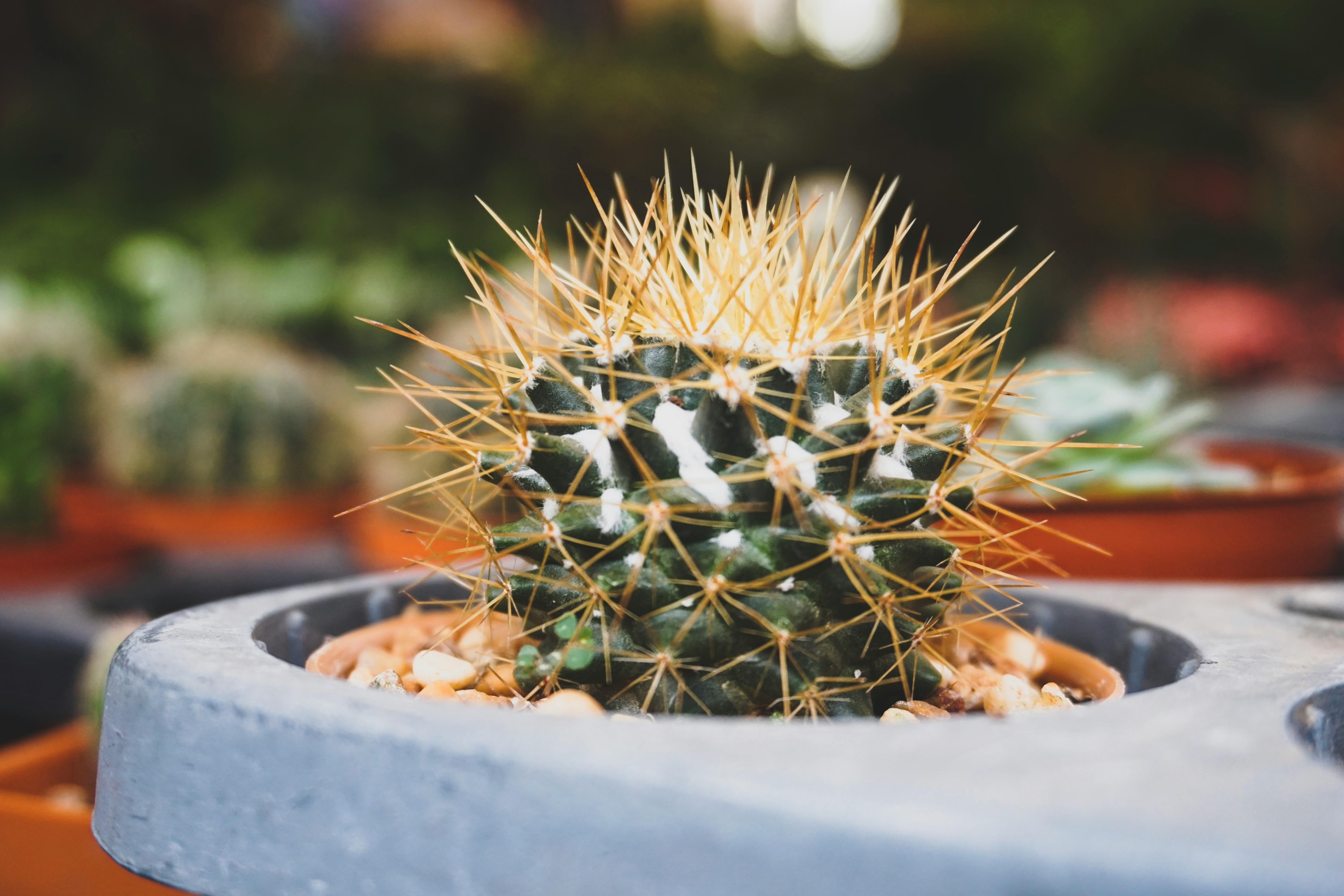
I assumed cacti were impossible to kill — they live in the desert, don't they? Then I killed four of them in eighteen months, all to overwatering. My golden barrel (Echinocactus grusonii) rotted from the base up in a terracotta pot with perfect drainage. My Mammillaria turned to mush in October. I'd made the quintessential mistake of watering on a schedule rather than by the plant's actual needs, especially through the winter months when desert cacti enter a genuine dormancy that requires near-total drought. Indoor cactus growing is about mastering two things: light and the winter dry period.
Light: The Most Important Factor for Indoor Cacti
Desert cacti are among the most light-hungry plants you can grow indoors, and insufficient light is responsible for both etiolation and overwatering-related rot. Etiolation — the stretching, narrowing, and distortion of the cactus body toward a light source — is entirely a light problem. A San Pedro cactus (Trichocereus pachanoi) or a Cereus that should be columnar instead leans and tapers because it's reaching for inadequate light. This distortion cannot be reversed; the affected growth remains deformed permanently.
Place cacti in your sunniest window — ideally south-facing, receiving at least four to six hours of direct sunlight daily. A west-facing window with afternoon sun works for many species. East-facing windows with only morning sun are generally insufficient for most desert-origin cacti, though some Mammillaria and Gymnocalycium species tolerate lower light better than others. Grow lights are a practical solution for homes without south-facing windows: use a full-spectrum LED grow light positioned four to eight inches above the plant for twelve to sixteen hours daily. According to University of Minnesota Extension's indoor plant resources, supplemental grow lighting is the most reliable way to prevent etiolation in cacti grown in low-light northern states through winter.
Watering Desert Cacti Indoors: The Seasonal Approach
Desert cacti follow a natural wet/dry seasonal cycle: active growth during warm, bright months (spring through early fall) and near-complete dormancy through winter. Indoors, mimicking this cycle is the key to success. During the growing season, water thoroughly when the soil is completely dry throughout the pot — for a four-inch pot, this is roughly every ten to fourteen days; for a six-to-eight-inch pot, every fourteen to twenty-one days. Allow the water to drain completely and never let the pot sit in standing water.
In winter (November through February), reduce watering to once per month or stop entirely for smaller, barrel-type cacti. Column cacti like Cereus can tolerate a watering every four to six weeks through winter. Warm indoor temperatures accelerate the drying cycle — if your cactus sits in a room above 70°F (21°C) all winter, it may need a small amount of water monthly. Cool, bright winter conditions (55–60°F / 13–16°C) near an uninsulated south-facing window are actually ideal for dormancy. Missouri Botanical Garden's cactus cultivation resources detail this dormancy-based watering approach as essential for long-term cactus health.
Soil and Pots: Setting Up for Success
Never pot desert cacti in standard potting mix. It retains far too much moisture and stays wet for too long between waterings. Use a commercial cactus/succulent mix blended with an equal volume of coarse perlite, poultry grit, or crushed pumice. The goal is a medium that drains instantly and dries within three to five days after watering in a bright, warm environment.
Terracotta pots are ideal for desert cacti — they wick moisture from the soil through their porous walls and dry out much faster than plastic or ceramic. Ensure every pot has at least one generously sized drainage hole. Shallow, wide containers (as opposed to tall, narrow pots) better suit cacti that develop broad, relatively shallow root systems. Repot every two to three years, or when the cactus body reaches within an inch of the pot rim — fresh mix is as important as pot size for long-term health.
Fertilizing and Troubleshooting Common Cactus Problems
Cacti are light feeders but do benefit from fertilization during the growing season. Use a low-nitrogen, high-phosphorus fertilizer formulated for cacti and succulents (such as a 2-7-7 or similar ratio) once monthly from April through September. High-nitrogen fertilizers promote soft, susceptible-to-rot growth — avoid them. Never fertilize in fall or winter.
Common problems and solutions: soft, mushy base = root rot from overwatering — unpot, trim, repot in dry mix; pale, stretched, leaning growth = etiolation from insufficient light — increase light immediately (damage is permanent but new growth will be correct); white cottony masses in spine clusters = mealybugs — treat with 70% isopropyl alcohol on a cotton swab, applied directly to the pests. See our guide to scale and mealybugs on houseplants for comprehensive pest treatment. For grow light setup tips, see our indoor growing under lights guide.
Common Mistakes to Avoid
- Watering in winter on a summer schedule: This is responsible for the majority of indoor cactus deaths. Drastically reduce or eliminate winter watering.
- Using standard potting mix: Always blend with perlite or pumice for instant drainage.
- Placing in insufficient light: Without four to six hours of direct sun, cacti etiolate and become vulnerable to rot.
- Placing saucers under pots permanently: Empty saucers after every watering — standing water is absorbed back into the drainage hole and keeps soil wet.
- Handling without protection: Use folded newspaper, leather gloves, or kitchen tongs for repotting glochid-bearing species like Opuntia — glochids are nearly impossible to see and extremely irritating to skin.
Quick Reference Indoor Cactus Care Table
| Factor | Growing Season | Dormancy (Winter) |
|---|---|---|
| Light | 4–6+ hours direct sun; south window | Same or supplemented grow light |
| Water | Every 10–21 days when fully dry | Monthly or none |
| Fertilizer | Low-N cactus formula monthly | None |
| Temperature | 65–95°F (18–35°C) | 45–60°F (7–16°C) ideal |
| Soil | 50% cactus mix + 50% perlite/pumice | Same |
| Pot | Terracotta with drainage | Same |
Frequently Asked Questions
Can indoor cacti bloom?
Yes, but blooming typically requires the cool, dry winter dormancy period that many indoor environments don't provide. A cool south-facing window where temperatures drop to 50–60°F (10–16°C) through winter combined with minimal watering creates the conditions that trigger flower bud formation in spring. Mammillaria, Gymnocalycium, and Echinopsis species are among the most reliable indoor bloomers, often producing flowers in their second or third year.
Why is my cactus turning yellow or pale?
Pale, yellowish discoloration in cacti most often indicates overwatering or root rot — the root system can no longer supply nutrients efficiently. Less commonly, extended underwatering causes pallor as the plant depletes water reserves. Check the soil and root zone: healthy roots are white to tan and firm; rotted roots are brown-black and mushy. Increasing light can also intensify green coloration in cacti that have been in insufficient light for extended periods.
How fast do indoor cacti grow?
Slowly — cacti are among the slowest-growing of all houseplants. A golden barrel cactus might add half an inch of diameter per year; a column cactus like Cereus might add two to four inches of height annually under optimal conditions. Growth is fastest in bright direct sunlight with appropriate seasonal watering. Indoor cacti in low light can go entire years with barely visible growth. Don't judge health by size — judge it by firmness, color, and new growth at the growing tip.
Desert cacti are genuinely remarkable houseplants once you understand their seasonal rhythm. Give them the brightest light you have, honor their winter dormancy with drought, and they'll outlive you — some cacti in cultivation are well over a hundred years old. Drop your cactus questions in the comments below.
About the Author
Sage Avery is a passionate gardener and plant enthusiast sharing tips for a greener life.