Indoor Plant Shelf Ideas: Build a Lush Green Corner
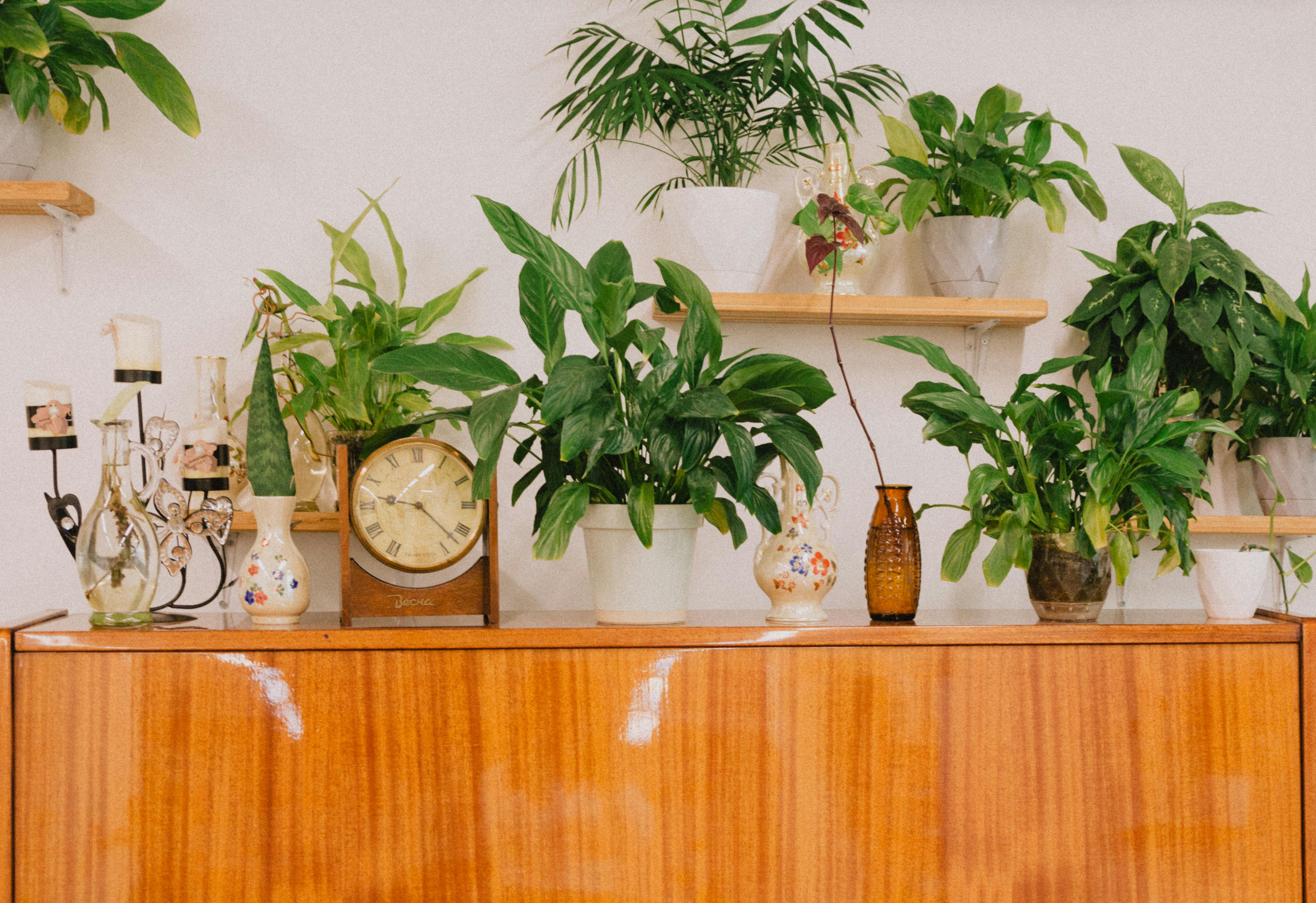
A well-designed plant shelf does two things: it solves a space problem (more plants, same floor footprint) and creates a visual moment that makes a room feel alive in a way scattered individual plants on windowsills never quite achieve. Building a lush indoor plant display is about as much about design and plant selection as it is about care — the plants that look good together often have very different needs, which requires some thought upfront.
Choosing the Right Location
Light is the foundation of any successful plant display. Before choosing furniture or plants, identify where the light actually falls in the room at different times of day. East-facing walls and corners receive morning sun — ideal for plants that need some direct light but burn in harsh afternoon exposure. South and west-facing spots get the most light throughout the day and support the widest range of plants. North-facing locations are the most limiting but work well for shade-tolerant plants like pothos, ZZ plants, peace lilies, and cast iron plants.
If your ideal display location has poor light, supplement with a grow light. Full-spectrum LED grow lights designed for plants have become inexpensive and attractive; some are designed to blend with interior lighting. A grow light on a timer (12–14 hours daily) opens up nearly any corner to a full plant display.
Shelf Types and What Works
Floating wall shelves create a clean, dramatic look and work well for lightweight plants in small pots. Make sure wall anchors are appropriate for the weight — pots and soil are heavier than they look. A 60 cm shelf with five small plants in ceramic pots can weigh 10–15 kg. Use quality wall anchors into studs whenever possible.
Freestanding ladder shelves are versatile and moveable, which is useful when chasing light through seasons. They're not suitable for very heavy pots but handle most standard houseplants well. Vintage industrial shelving units with metal frames and wood or wire shelves add character and are structurally robust enough for large plant collections. Baker's racks, plant stands with multiple tiers, and repurposed bookshelves all work — the key is ensuring pots have saucers and that the shelf material can tolerate occasional water spills without warping or staining.
Designing for Visual Impact
The most visually effective plant shelves mix heights, textures, and trailing elements. Place taller, upright plants (snake plants, dracaenas, bird of paradise) at the back or sides. Position medium-sized mounding plants (philodendrons, pothos in smaller pots, peperomias) in the middle range. Let trailing plants (string of pearls, pothos, tradescantia, heartleaf philodendron) cascade over shelf edges — this softens the geometry of the shelving and is one of the most effective ways to create a lush, full look. Group plants in odd numbers (three or five) rather than even groupings, which feel more natural and dynamic.
Vary pot materials and colors: a mix of terracotta, white ceramic, and one dark pot creates more visual interest than a matching set. Plants with contrasting foliage — a dark, burgundy Tradescantia pallida next to a bright variegated pothos, for instance — catch the eye without requiring elaborate arrangement.
Making Care Manageable
A shelf full of plants can become overwhelming to care for if you haven't planned for it. Group plants with similar water needs together so you can water them all on the same schedule. Place the most water-hungry plants (ferns, calatheas) at the bottom where they're easier to move to a sink. Put drought-tolerant plants at the top where they're less accessible for frequent watering — their infrequent needs match the inaccessibility. Choose self-watering pots or pots with integrated saucers for any shelf position where removing the plant to water is awkward. And accept that a few plants on a display shelf will eventually outgrow the space — plan which ones can be replaced with propagated smaller specimens seasonally.
About the Author
Sage Avery is a passionate gardener and plant enthusiast sharing tips for a greener life.