Alocasia Polly Care: Why It Keeps Dropping Leaves (and How I Fixed Mine)
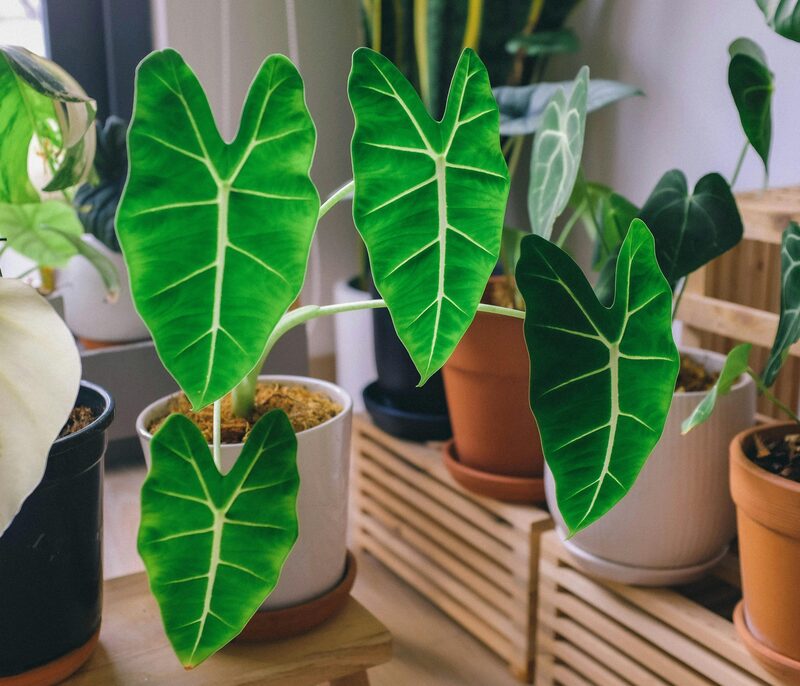
My first Alocasia x amazonica 'Polly' arrived from an online seller with six perfect leaves, dramatic dark green with ivory veins, exactly the plant I'd seen in every interior design photo I'd been saving. Within three weeks, three of those leaves had yellowed and dropped. I hadn't dramatically overwatered, I hadn't moved it into direct sun. What I hadn't accounted for was that this plant treats almost any environmental change as a stress event serious enough to justify shedding leaves. Over four plants and two years of adjusting and observing, I've finally found the stable routine that keeps mine upright and actively growing.
Understanding Why Alocasia Drops Leaves, The Actual Mechanism
Leaf drop in Alocasia 'Polly' is not a sign of imminent death, it is a resource management response. When the plant detects stress (and its stress threshold is genuinely low compared to most houseplants), it withdraws resources from its oldest leaves to protect its newest growth and its rhizome. The result is yellowing, then drooping, then a clean separation of older leaves at the petiole base. The plant is not dying; it is prioritizing.
The stressors I've confirmed through repeated experience: shipping and repotting shock, sudden changes in temperature or humidity, cold drafts from windows or air conditioning vents, inconsistent watering, root rot from overwatering, and even being moved from one side of a room to another. New specimens are especially vulnerable in the first four to six weeks because they are simultaneously adjusting from greenhouse conditions to home conditions. The single most useful thing I do with a newly purchased Alocasia is place it in its permanent spot and leave it completely alone for three weeks, no repotting, no fertilizing, no fussing.
According to Clemson University's Home and Garden Information Center, environmental stress is the leading non-disease cause of premature leaf drop in tropical aroids grown indoors, and the response is particularly pronounced in Alocasia species due to their relatively fast metabolic rate compared to slower-growing aroids like ZZ plants or pothos.
Humidity and Watering: The Two Factors That Actually Determine Success
Alocasia 'Polly' is native to the tropical rainforests of Southeast Asia, where ambient humidity is consistently high. In a home environment, it needs 60% relative humidity or above to maintain healthy leaf margins. Below 50%, the leaf edges progressively develop brown, crispy borders, often mistaken for underwatering, which causes growers to add more water and inadvertently create the overwatering conditions that cause root rot.
The tell: underwatering causes the entire leaf to droop and feel limp, then dry and brittle as moisture is withdrawn. Low humidity causes brown margins and tip crisping on otherwise firm, turgid leaves. These look similar at first glance but feel completely different. The fix for low humidity is a dedicated ultrasonic humidifier running nearby, set to maintain 60-65%, not pebble trays (insufficient) and not misting (too inconsistent and can cause fungal spots on the leaves).
For watering, I allow the top two inches of soil to dry between waterings, roughly every seven to ten days in summer, and significantly less in winter when growth slows. Alocasia is acutely susceptible to root rot, and chronic wetness at the roots is the most common cause of the rapid whole-plant collapse that beginners mistake for sudden death. I always use a pot with drainage holes and never allow the plant to sit in standing water in a saucer.
Light, Temperature, and Winter Dormancy
Alocasia 'Polly' needs bright indirect light, more than a peace lily but less than a bird of paradise. A spot two to four feet from an east- or north-facing window, or four to six feet from a south-facing window, gives the balance of adequate light without leaf scorching. The distinctive dark green and white-veined leaves lose their contrast and develop pale patches in direct sun within days. For more on matching plants to specific light positions, the complete peace lily care guide covers north- and east-window light conditions that work well for Alocasia too.
Temperature is critical: keep the plant between 65 and 85°F (18-30°C) at all times. Below 60°F, the plant begins to show stress. Cold drafts from windows, air conditioning, or open doors cause almost immediate leaf drop. I moved mine away from a sliding glass door in autumn and the improvement was immediate, no more unexplained leaf losses through the cooler months.
Winter dormancy is real and worth knowing about. When temperatures drop and light levels decrease, Alocasia may drop all of its leaves and appear to die completely. The rhizome under the soil is typically still viable. Do not throw away the pot. Keep the soil barely moist, place the pot in a warm bright spot, and wait. New growth often emerges from the soil in late winter or early spring. I've revived two "dead" plants this way. Our companion post on fixing elephant ear leaf drop indoors covers the dormancy cycle and recovery protocol in more detail.
Warning: Alocasia x amazonica 'Polly' is toxic to cats, dogs, and humans according to the ASPCA's toxic plant database. The calcium oxalate crystals in all plant parts cause oral irritation, drooling, and gastrointestinal distress in pets and humans. Keep it out of reach of children and animals.
Soil, Repotting, and Managing Spider Mites
Alocasia 'Polly' performs best in a chunky, well-draining aroid mix: roughly 40% standard potting mix, 30% perlite, 20% orchid bark, and a small amount of horticultural charcoal for drainage and to resist fungal growth at the root zone. Standard potting mix alone holds too much water for this plant's sensitive roots. I repot in spring only, moving up just one pot size, and I handle the fleshy rhizome as little as possible, root disturbance is a reliable leaf-drop trigger and can set the plant back by four to six weeks.
Spider mites are the primary pest problem with Alocasia 'Polly', and they are directly linked to low humidity. Mites thrive in the same dry air conditions that stress the plant's leaves. If you notice fine webbing on the undersides of leaves or a stippled, dusty appearance to the leaf surface, inspect closely with a magnifying glass. Treat with neem oil solution or insecticidal soap applied to leaf undersides, and increase ambient humidity simultaneously, addressing only the pest without fixing the humidity conditions guarantees re-infestation. According to Missouri Botanical Garden's houseplant pest management resources, spider mite populations can triple within a week under hot, dry conditions, making early detection and humidity correction the most effective combined treatment strategy.
Common Mistakes
- Repotting immediately after purchase: New plants are already stressed from shipping and environment change. Wait at least four to six weeks before any repotting, and do it only if the plant is severely root-bound.
- Treating brown margins as an underwatering problem: Crispy brown margins on otherwise firm, upright leaves are a humidity issue, not a watering issue. Adding more water when humidity is the real problem creates overwatering conditions.
- Placing near cold windows or air conditioning vents: Temperature drafts are one of the most reliable leaf-drop triggers. Keep the plant at least three feet from any cold air source.
- Throwing away a dormant plant: A bare pot with an intact rhizome will resprout in spring when warmth and light return. Check for a firm, non-mushy rhizome before discarding what appears to be a dead plant.
- Using a pot without drainage: Alocasia cannot tolerate standing water at the roots. Every container must have drainage holes, and saucers must be emptied within 30 minutes of watering.
- Ignoring spider mite early signs: By the time webbing is visible, the infestation is advanced. Inspect leaf undersides weekly, especially in winter when indoor air is dry.
Quick Reference Care Table
| Factor | Ideal Condition | Notes |
|---|---|---|
| Light | Bright indirect, 2-4 ft from window | No direct sun; north or east window ideal |
| Water | When top 2 inches of soil are dry | Every 7-10 days in summer; much less in winter |
| Soil | Chunky aroid mix with perlite and orchid bark | Standard mix retains too much moisture |
| Humidity | 60-80% | Humidifier required in most homes; misting insufficient |
| Temperature | 65-85°F (18-30°C) | No cold drafts; keep away from air conditioning vents |
| Fertilizer | Balanced liquid, half strength monthly | Growing season only; stop in winter |
| Repotting | Every 2 years in spring only | Minimize root disturbance; up one pot size |
Frequently Asked Questions
Is it normal for Alocasia Polly to only have one or two leaves at a time?
Yes, especially in lower light or during winter. Alocasia 'Polly' grows one new leaf at a time in a sequence, as a new leaf unfurls, an older leaf at the base often yellows and drops. This is normal cycling behavior, not a sign of decline, as long as new growth is appearing regularly. A plant that is dropping leaves without any new growth emerging simultaneously is showing a stress response that needs to be diagnosed.
Can I put Alocasia Polly outside in summer?
Yes, in USDA Hardiness Zones 9-12 where nighttime temperatures stay consistently above 60°F. Place it in a shaded spot, bright filtered outdoor light is far more intense than indoor bright indirect light, and full outdoor sun will scorch the leaves within a day. The higher outdoor humidity and natural air movement are genuinely beneficial for the plant's health. Bring it back inside before nighttime temperatures drop below 60°F in autumn, and inspect carefully for pests before bringing it in.
My Alocasia Polly has dropped all its leaves, is it dead?
Almost certainly not, if it was otherwise healthy before the leaves dropped. Check the rhizome by gently brushing aside the top layer of soil, a firm, white or pale tan rhizome means the plant is dormant but alive. Keep the soil barely moist (not wet, not bone-dry) in a warm spot with indirect light, and new growth should emerge within four to eight weeks once conditions improve. A soft, brown, foul-smelling rhizome indicates rot and the plant is unlikely to recover.
Alocasia 'Polly' rewards patience and consistency more than any other plant in my collection. It is unforgiving of casual neglect but genuinely stunning when its conditions are right, and once you dial in the humidity, light, and watering routine, it becomes surprisingly stable. If you want help with your exact setup, send the plant name, light, pot size, and recent watering notes through the contact page.

About the Author
Written by Sage Avery, a plant care writer at Plant Companion Guide. For how we create and update content, see our editorial policy.