Kimberly Queen Fern vs Boston Fern vs Maidenhair
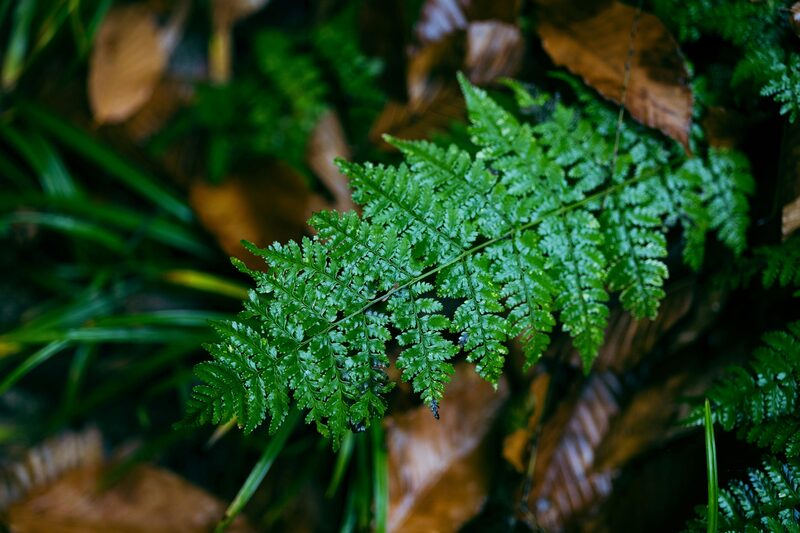
If you want the easiest fern of the three, choose Kimberly Queen. If you want the classic hanging-basket look and can keep humidity steady, choose Boston fern. If you want the most delicate option and you enjoy checking soil often, choose maidenhair. I have killed all three of these ferns at least once, which I consider a reasonably credible basis for reviewing them. My first Boston fern turned into a shower of leaflets over one dry winter. My maidenhair fern collapsed the first time I went away for a long weekend. My Kimberly Queen, bought as a low-expectation replacement, is still alive two years later with minimal drama.
Quick Pick: Which Fern Should You Choose?
| Your Home or Habit | Best Fern | Why |
|---|---|---|
| Average indoor humidity, occasional missed watering | Kimberly Queen | It handles lower humidity and brief drying better than the other two. |
| Humid bathroom or kitchen, room for arching fronds | Boston fern | It gives the classic full fern look if moisture and humidity stay steady. |
| Consistent 60%+ humidity and careful watering | Maidenhair fern | It is the most delicate and dramatic, but it has the least drought tolerance. |
| Beginner choosing a first fern | Kimberly Queen | It is the most forgiving option for normal homes. |
How These Three Ferns Actually Differ Beyond Appearance
All three are true ferns that reproduce by spores and share a general preference for humidity, consistent moisture, and indirect light. The similarities end there. Nephrolepis exaltata 'Bostoniensis' (Boston fern) is the classic, feathery, arching fronds up to three feet long, widely sold and widely killed. Adiantum raddianum and A. capillus-veneris (maidenhair ferns) feature delicate fan-shaped leaflets on thin, wiry black stems and are among the most demanding houseplants available in mainstream retail. Nephrolepis obliterata 'Kimberly Queen' has upright, compact fronds, it doesn't trail like the Boston, and is considerably more tolerant of lower humidity and variable light than either of its relatives.
The practical implication: choose by your home's humidity and your watering habits, not by which one looks best in a product photo. University of Minnesota Extension's houseplant guidance treats ferns as moisture-sensitive indoor plants that need careful light and humidity management. For a broader framework on indoor light, start with the essential houseplant care guide.
Boston Fern: The Classic Choice With Demanding Conditions
Boston fern is everywhere, hardware stores, supermarkets, garden centers, and its ubiquity creates a false impression that it is an easy plant. It is not. The primary challenge is humidity: Boston ferns need ambient humidity above 50% consistently, and perform best at 60-70%. In the average centrally heated home in winter, indoor humidity typically drops to 25-40%, and Boston ferns respond by shedding pinnae (the small individual leaflets that make up each frond) in quantities that require daily cleanup from the floor around the pot.
The shedding itself is not dangerous to the plant, but it signals that conditions are inadequate, and sustained low humidity eventually causes frond browning and die-back from the tips inward. A humidifier running nearby is the only reliable solution, pebble trays improve local humidity by approximately 3-5% in the immediate vicinity, which is insufficient at a 35% winter baseline. Light requirements are medium indirect, similar to the other two ferns, with a north- or east-facing window preferred. Boston ferns need consistently moist soil, never bone dry, never waterlogged, which in practice means checking the top half-inch of soil every two to three days in dry conditions. I watered mine every three to four days in summer and would have needed to do so more frequently in winter heating season to prevent the desiccation that eventually ended it. According to the Royal Horticultural Society's fern care resources, Boston fern is among the most humidity-demanding commonly sold houseplants and is best suited to naturally humid environments such as bathrooms, kitchens, or climate-controlled conservatories.
Maidenhair Fern: The Most Beautiful and Most Unforgiving
Maidenhair fern (Adiantum spp.) has no real competition for visual elegance among common houseplant ferns. The delicate, fan-shaped leaflets on wiry black stems create a texture unlike anything else in a plant collection, and when it is healthy and well-lit, it looks like something from a botanical illustration. The problem is that this plant has almost no drought tolerance whatsoever. Allow the soil to dry out even briefly, a single missed watering on a warm day, and the fronds collapse within hours, turning brown and papery before any recovery intervention can take effect.
The dramatic wilting response that maidenhair ferns show to drying out is actually partially recoverable in early stages: cut all the collapsed fronds back to the soil, water thoroughly, maintain high humidity (65-70% is ideal), and new growth often emerges within two to three weeks. This is why maidenhair ferns are sometimes described as plants that play dead, they can recover from a single drought event if the rhizome is still intact and healthy. But repeated drought events exhaust this recovery capacity. I learned this when my plant wilted twice in three weeks and declined to produce new growth afterward.
Maidenhair ferns also need the softest water of the three, tap water mineral content causes cumulative leaf tip damage more rapidly than with the other two species. If your water is hard (above 120 mg/L total dissolved solids), filtered or rainwater is non-negotiable. If you have a naturally humid bathroom with a frosted north window and a hygrometer that consistently reads 60% or above, maidenhair fern is extraordinary. If you do not, I suggest appreciating it in photographs and choosing Kimberly Queen instead. The troubleshooting principles covered in the guide to fixing ferns turning brown apply directly to maidenhair's common failure patterns and are worth reading before making a purchase decision.
Kimberly Queen Fern: The Most Practical Choice for Most Indoor Growers
Kimberly Queen fern is the fern I should have bought first. Its upright, vase-shaped growth habit, fronds grow straight up rather than arching and trailing, makes it less dramatic-looking than the Boston, but it is more adaptable to the conditions of a typical home in almost every measurable way. It tolerates ambient humidity as low as 40-45% without the catastrophic leaf shedding that the Boston fern shows, it adapts to a wider light range from medium to low indirect, and it can handle a missed watering occasionally without collapsing.
In warm climates (USDA Hardiness Zones 9-11), Kimberly Queen is an excellent outdoor container fern for shaded patios, where it grows vigorously and the combination of outdoor humidity and natural rainfall makes it virtually self-maintaining from spring through autumn. This adaptability is the main reason it has become increasingly popular as a porch plant in the American South and Southwest. Indoors, it requires the same filtered or rainwater that the other ferns benefit from, tap water mineral accumulation causes tip browning in all three species over time, and consistent moisture without waterlogging. According to Missouri Botanical Garden's fern care resources, Nephrolepis obliterata 'Kimberly Queen' demonstrates measurably better indoor adaptability than N. exaltata cultivars, including superior tolerance of lower humidity and variable light conditions, making it the recommended choice for indoor growing in non-humid environments.
Common Mistakes
- Choosing based on appearance rather than home humidity: All three ferns are beautiful. The correct choice is determined by your ambient humidity level and watering reliability, not which one photographs best.
- Relying on misting for humidity management: Misting creates brief spikes that evaporate within minutes and are insufficient for any of the three species. A dedicated humidifier is the only reliable solution for Boston and maidenhair ferns.
- Giving up on a wilted maidenhair fern: A collapsed maidenhair after one drought event is not dead. Cut the fronds back, water thoroughly, maintain high humidity, and new growth typically emerges within two to three weeks.
- Using tap water long-term: All three ferns develop brown tip damage from fluoride and mineral accumulation in tap water. Filtered water or rainwater prevents this accumulation on new growth.
- Placing any of the three in direct sun: All three ferns require indirect light only. Even brief direct sun causes bleaching and permanent leaf damage across all three species.
- Letting soil dry completely between waterings: Unlike succulents, all three ferns need consistently moist soil. Complete drying triggers different levels of collapse in each, near-immediate in maidenhair, gradual in Boston and Kimberly Queen.
Species Comparison Table
| Species | Minimum Humidity | Drought Tolerance | Messiness | Difficulty |
|---|---|---|---|---|
| Boston Fern (N. exaltata) | 50-60% | Low, sheds pinnae quickly in dry air | High, constant leaflet drop | Intermediate |
| Maidenhair Fern (Adiantum) | 60-70% | Very low, collapses within hours of drying | Low, but collapses visibly | Advanced |
| Kimberly Queen (N. obliterata) | 40-50% | Moderate, tolerates brief drying | Low, upright, compact habit | Beginner-friendly |
Quick Reference Care Table
| Factor | Boston Fern | Maidenhair Fern | Kimberly Queen |
|---|---|---|---|
| Light | Medium indirect | Medium-low indirect | Medium to low indirect |
| Humidity | 50-70% | 60-70% | 40-60% |
| Water Frequency | Every 2-4 days; never dry | Every 2-3 days; never dry even briefly | Every 4-7 days; brief drying tolerated |
| Water Type | Filtered preferred | Filtered required | Filtered preferred |
| Temperature | 60-75°F | 60-75°F | 55-80°F; most cold-tolerant of three |
| Outdoor Use | Shaded porch in summer | Not recommended outdoors | Excellent outdoor container in Zones 9-11 |
Frequently Asked Questions
Which fern is easiest to grow indoors?
Kimberly Queen fern is the most forgiving of the three for typical home conditions, tolerating ambient humidity as low as 40-45% and adapting to a wider light range. If your home doesn't run a humidifier in winter and your watering is occasionally inconsistent, Kimberly Queen will survive conditions that would kill a Boston or maidenhair fern within weeks. Boston fern is the second-easiest, suited to homes with moderate humidity or a dedicated humidifier. Maidenhair fern is best reserved for growers who can maintain 60% ambient humidity consistently and who water on a strict schedule.
Can I grow any of these ferns in a hanging basket?
Boston fern is the classic hanging basket fern and performs well in this format when humidity is adequate, the arching, trailing fronds display their full visual potential when allowed to cascade. Kimberly Queen's upright growth habit is better suited to a pot on a surface or a shelf than a hanging basket. Maidenhair fern is generally not recommended for hanging baskets because the aerial position increases air movement around the plant, which accelerates soil drying and reduces the humidity immediately surrounding the delicate fronds, two conditions it tolerates poorly.
Why is my fern dropping so many leaflets onto the floor?
Leaflet drop in Boston fern specifically is the plant's response to low humidity or inconsistent watering, it sheds pinnae to reduce the total leaf surface area it needs to maintain under stressful conditions. This is a survival mechanism rather than a sign of imminent death. The reliable fix is raising humidity above 50% with a humidifier and ensuring the soil stays consistently moist. Kimberly Queen and maidenhair do not shed in the same way, Kimberly Queen tolerates low humidity without significant shedding, and maidenhair shows distress through frond collapse rather than leaflet drop.
After killing two out of three and learning from each loss, my honest recommendation is this: start with Kimberly Queen, learn what consistent fern care looks like in your home, and upgrade to a Boston once you have humidity management sorted. Save the maidenhair for when you genuinely love ferns and are prepared to build your routine around it. If you want help with your exact setup, send the plant name, light, pot size, and recent watering notes through the contact page.

About the Author
Written by Sage Avery, a plant care writer at Plant Companion Guide. For how we create and update content, see our editorial policy.