Calathea Orbifolia vs Ornata vs White Fusion: Care Differences for the 3 Most Popular Species
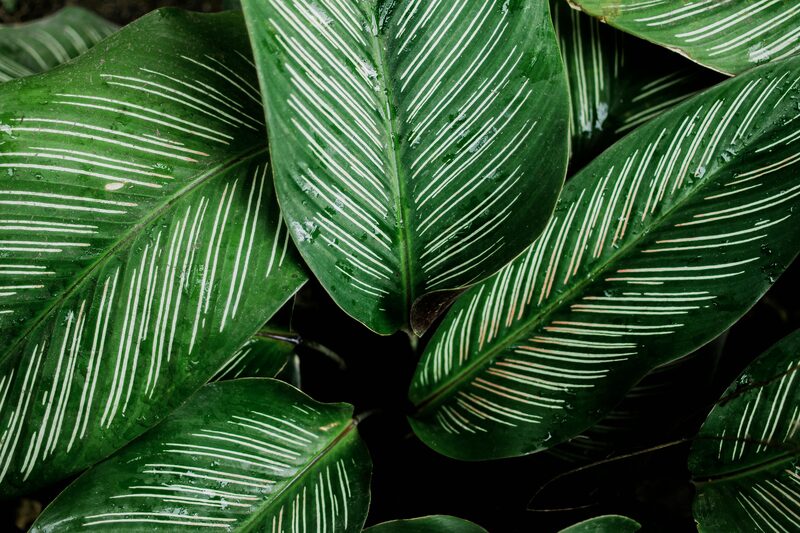
I own all three, and I will not pretend they are equally easy to grow. My Calathea orbifolia has been with me for two years and looks better now than when I bought it. My C. ornata took six months of humidity adjustments before it stopped producing brown-edged leaves. And my C. 'White Fusion', which has the most stunning foliage of any plant in my home, has humbled me repeatedly over eighteen months of effort. The differences between these three species go well beyond appearance, and choosing the wrong one for your home environment is the most reliable way to end up with a frustrated, struggling plant. This guide compares the actual care requirements I've documented across all three so you can make an informed choice, and succeed with whichever one you bring home.
How These Three Species Actually Differ (Beyond the Leaf Pattern)
All three are members of the family Marantaceae, commonly called prayer plants for their nyctinastic leaf movement, the folding and unfolding of leaves between day and night that is entirely normal and not a sign of stress. All three are sensitive to tap water quality, prefer medium indirect light, need warm temperatures above 65°F, and are non-toxic to pets. Those are the similarities. The differences are meaningful.
Calathea orbifolia (large round silver-green leaves with dark green pinstripes) is the most forgiving of the three, it tolerates humidity as low as 50%, adapts to moderate indirect light without browning, and grows slowly and steadily without the dramatic responses to imperfect conditions that the other two exhibit. If you are new to Calathea and want to experience the genus without the anxiety of high-maintenance care, Orbifolia is the correct starting point.
Calathea ornata (dark green leaves with fine pink or white pinstripes, depending on age, young leaves show vivid pink, older leaves fade to white) sits in the intermediate category. It needs 60% or higher humidity reliably, is more sensitive to tap water fluoride than Orbifolia, and shows its displeasure with crispy brown margins fairly quickly when conditions slip. It is not difficult with the right setup, but it requires active humidity management rather than passive tolerance.
Calathea 'White Fusion' (marbled white, green, and lavender-purple foliage, each leaf unique) is the most demanding houseplant I currently grow. It requires 65-70% consistent humidity, filtered water exclusively, medium-low indirect light (more light than it looks like it needs causes bleaching; less causes reversion of the white variegation toward green), and immediate response to any care lapse. According to Gardening Know How's Calathea species resources, 'White Fusion' is consistently rated among the most humidity-sensitive common houseplants available in retail, and its variegation is among the most unstable under inconsistent care conditions.
Calathea Orbifolia: The Most Forgiving of the Three
I water my Orbifolia when the top inch of soil is dry, roughly every seven to ten days in summer, extending to every twelve to sixteen days in winter. It sits in a medium-light position about four feet from an east-facing window and receives no direct sun. Ambient humidity in my living room runs between 50 and 55% year-round without a humidifier running specifically for this plant, and the Orbifolia maintains clean leaf margins at that level. This is the characteristic that separates it most clearly from its relatives, it tolerates a humidity level that would cause browning in the Ornata and rapid deterioration in White Fusion.
What Orbifolia does share with its relatives is tap water sensitivity. After six months of using municipal tap water, I noticed brown tip buildup on older leaves that corresponded to fluoride accumulation rather than humidity stress. Switching to filtered water stopped new tip damage within two months. I now use filtered water for all three species as a blanket policy. The guide to fixing Calathea curling leaves explains the humidity and water-quality variables that cause the most common symptom patterns across the genus, and applies directly to Orbifolia as well as the more demanding species.
Calathea Ornata: Beautiful Pinstripes With Intermediate Demands
Ornata produces some of the most visually striking foliage in the Calathea genus, the pink pinstripes on young leaves, which transition to white on mature leaves, look hand-painted against the dark green surface. Maintaining that quality requires consistent humidity above 60%, filtered water, and medium indirect light, bright enough for the deep green coloring to develop fully but not so bright that the light-colored pinstripes bleach toward yellow.
My Ornata sits about two feet from a north-facing window with a small humidifier running nearby that keeps the local humidity at 62-65%. In this setup, it produces new leaves every three to four weeks and the pinstriping on new growth is consistently vivid. When I ran the humidifier at a lower setting one winter and humidity dropped to 52%, the next two leaves unfurled with marginal browning already beginning before they were fully open, the Ornata communicates humidity deficiencies faster than Orbifolia and with less forgiveness. Spider mites are a persistent threat with Ornata specifically; I inspect the leaf undersides weekly and treat with neem oil solution at the first sign of webbing or stippling, which in high-humidity conditions tends to appear at ventilation reduction points near the base of the plant rather than at the leaf margins where dryness would normally drive infestations. According to Clemson University's HGIC plant pest resources, maintaining appropriate humidity is simultaneously the care requirement for Calathea health and the best preventive measure against spider mite establishment, the same high humidity that the plants need makes the environment inhospitable for mites.
Calathea White Fusion: Stunning but Genuinely Difficult
White Fusion earns its reputation. The marbled white, green, and lavender coloring, no two leaves identical, is extraordinary, and I understand completely why people want this plant. But the white portions of the leaf have no chlorophyll and conduct no photosynthesis, which means the plant is metabolically more vulnerable than its fully green relatives. Every environmental stress hits harder because it has fewer functional leaf cells to compensate from. This manifests as very rapid marginal browning at humidity below 65%, instant discoloration from even brief tap water use, and a tendency to revert the white portions toward green under any consistent light deficit.
My setup for White Fusion: a dedicated ultrasonic humidifier maintaining 68% ambient humidity in its corner of the room (confirmed by a hygrometer placed next to the plant), exclusively filtered or rainwater, medium-low indirect light from a north-facing window at two feet, and soil kept consistently moist but never waterlogged in a chunky aroid mix. In this setup, it produces new leaves that unfurl with full white marbling about once every three to four weeks. New leaves that come in streaked rather than fully marbled indicate the light level has dropped below the threshold for full variegation expression. According to Missouri Botanical Garden's tropical foliage resources, unstable variegation in Calathea 'White Fusion' is the most commonly documented care challenge, with inadequate and inconsistent humidity identified as the primary trigger for variegation reversion in the white-sectored leaves. For growers ready to multiply a thriving specimen, the step-by-step process for propagating Calathea by division covers the rhizome separation technique that works across all three species.
Common Mistakes
- Starting with White Fusion as a first Calathea: White Fusion's requirements for humidity above 65% and filtered water with no exceptions make it an advanced plant. Orbifolia is significantly more forgiving and builds the same fundamental skills.
- Using tap water for any of the three: Fluoride accumulates in leaf tissue over months and causes brown tip burn that cannot be reversed on existing leaves. Filtered or rainwater is required for consistent clean foliage.
- Relying on misting for humidity: Misting creates brief spikes that evaporate within minutes. A hygrometer and dedicated humidifier are the only reliable tools for maintaining the consistent levels these plants require.
- Removing plants from drafts but placing them near radiators instead: Calatheas need stable warmth without drying heat sources. A radiator nearby drops humidity and desiccates leaves just as effectively as a cold draft damages them.
- Overwatering any of the three in winter: Growth slows significantly in low light and cool temperatures. Soil stays moist longer, and the same watering frequency that worked in July causes root rot by January.
- Dismissing nyctinasty as a stress sign: Leaves folding in the evening and opening again in the morning is normal behavior for all Marantaceae. It is not a sign of dehydration, incorrect light, or poor health.
Species Comparison Table
| Species | Minimum Humidity | Water Sensitivity | Light Tolerance | Difficulty |
|---|---|---|---|---|
| C. orbifolia | 50-55% | Moderate, filtered preferred | Medium indirect; somewhat flexible | Beginner-friendly |
| C. ornata | 60-65% | High, filtered required | Medium indirect; limited flexibility | Intermediate |
| C. 'White Fusion' | 65-70% | Very high, filtered only, no exceptions | Medium-low indirect; narrow range | Advanced |
Quick Reference Care Table
| Factor | Orbifolia | Ornata | White Fusion |
|---|---|---|---|
| Light | Medium indirect | Medium indirect | Medium-low indirect |
| Humidity | 50%+ | 60%+ | 65-70% |
| Water | Filtered preferred | Filtered required | Filtered only; no exceptions |
| Watering Frequency | When top inch dry | When top inch dry | Keep lightly moist; never fully dry |
| Temperature | 65-80°F | 65-80°F | 68-80°F; less cold tolerance |
| Fertilizer | Monthly half-strength Apr-Sep | Monthly half-strength Apr-Sep | Monthly quarter-strength Apr-Sep |
Frequently Asked Questions
Which Calathea is best for a beginner?
Calathea orbifolia is the strongest recommendation for a first Calathea. It tolerates a wider humidity range than the other two, grows at a consistent and rewarding pace, and communicates its needs through gradual symptoms rather than sudden dramatic decline. It also has the most striking silhouette of the three, the large, round silver-green leaves are genuinely impressive in a well-lit room. Ornata is a good second choice for growers ready to commit to a humidifier. White Fusion is best saved until you have successfully maintained one of the easier species for at least a full year.
Why are all three of my Calathea leaves curling?
Leaf curling in Calathea is the plant's defense against water loss, the leaf curls inward to reduce surface area exposed to dry air. The two most common triggers are underwatering (soil is too dry) and low humidity (air is too dry even when soil is moist). Check soil moisture first: if the top two inches are dry, water thoroughly and observe whether leaves uncurl within a few hours, they typically will if moisture was the issue. If the soil is adequately moist but curling continues, the problem is ambient humidity below the plant's threshold, and a humidifier is the correct solution.
Can I keep any of these Calatheas in a south-facing window?
With appropriate diffusion, yes, but it requires care. A south-facing window with a sheer curtain can work for Orbifolia and Ornata if the plant is positioned three to four feet back from the glass, where light intensity is moderated. White Fusion should not be placed near a south-facing window regardless of diffusion, even filtered south light can exceed its narrow light tolerance and cause white sections to yellow and bleach. For all three species, an east-facing window or a north-facing window with high ambient light is a more reliably safe choice than a south-facing window with partial diffusion.
Choosing the right Calathea for your specific home conditions makes the difference between a plant that thrives and one that frustrates. Start with Orbifolia, build your humidity management skills, and work toward White Fusion when you're ready for the challenge. If you want help with your exact setup, send the plant name, light, pot size, and recent watering notes through the contact page.

About the Author
Written by Sage Avery, a plant care writer at Plant Companion Guide. For how we create and update content, see our editorial policy.