Orchid Care After Blooming: Post-Bloom Routine That Triggers New Spikes
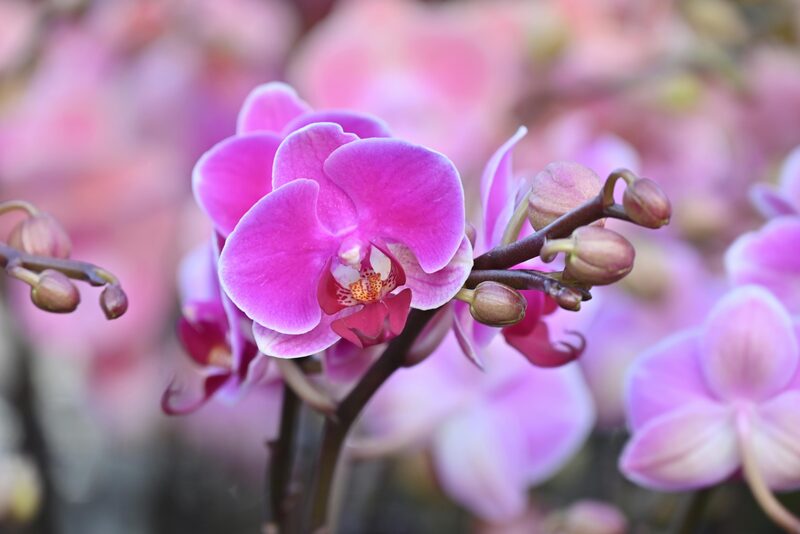
The first time my Phalaenopsis moth orchid finished blooming, I did what most beginners do, I cut the spike all the way down to the base and waited. And waited. Fourteen months passed before I saw another bloom. The second time, I had learned enough to do things very differently, and the plant spiked again in under five months. What changed was not luck or a particularly special plant, it was understanding exactly what triggers spike production and following a structured post-bloom routine every single time. This guide is that routine, tested across eight Phalaenopsis cultivars over six years.
The Spike Decision: Cut, Trim, or Leave It Alone
When the last flower drops, you have three choices for the spent spike, and the right one depends on the spike's condition. If the spike has turned yellow or brown anywhere along its length, it is dying and should be cut cleanly at the base with sterilized scissors, a dead spike wastes energy the plant could direct toward a new one.
If the spike is still green all the way to the tip, you have two options. You can cut it just above the second or third node from the base (nodes look like small triangular bumps along the spike), which encourages the plant to branch from that node and produce a secondary spike with more, smaller blooms. Alternatively, you can leave the full green spike intact and wait for the plant to branch naturally from the tip node, this occasionally produces a keiki (a baby plant) instead of flowers, which is a bonus but not guaranteed.
My personal preference after testing both approaches: trim to the second node on green spikes for cultivars I want to rebloom quickly, and leave the spike intact on any plant I'm hoping will produce a keiki for propagation purposes.
Post-Bloom Fertilizing: The Balanced-to-Bloom Transition
Immediately after the last bloom drops, I switch from a bloom-booster fertilizer (high in phosphorus) to a balanced fertilizer such as a 20-20-20 formula, diluted to one-quarter strength and applied with every other watering. This "rest and recovery" phase lasts six to eight weeks and gives the plant time to rebuild its root system and store energy reserves before attempting another flowering cycle.
After that rest phase, in late summer or early fall, I transition to a higher-potassium formula (something like 10-30-20) to support flower development. The timing here is important, attempting to push a Phalaenopsis into spike production before it has recovered from its last bloom cycle typically results in a weak or absent spike. For a comprehensive look at feeding windows, the guide to when to fertilize indoor plants covers the seasonal rhythm in detail.
According to the Royal Horticultural Society's plant care guidance, the post-bloom recovery period is one of the most critical and most overlooked phases in orchid care, rushing it by pushing fertilizer too early is a primary reason home-grown Phalaenopsis fail to rebloom reliably.
The Temperature Drop That Triggers New Spikes
This is the single most reliable technique I've found for getting a healthy Phalaenopsis to spike on demand, and most care guides bury it or mention it only briefly. Phalaenopsis orchids initiate spike production in response to a 10-15°F (5-8°C) temperature differential between day and night temperatures sustained over four to six weeks.
In practice: from mid-September through late October, I move my orchids to a windowsill that drops to around 58-62°F (14-16°C) at night while staying at 70-75°F during the day. Within four to six weeks of starting this treatment, I typically see a small green nub emerging from the base of a leaf, that is the beginning of a new spike. Once that nub appears, I move the plant back to its usual warmer spot to support development.
If you live in a climate where nighttime temperatures drop naturally in autumn (USDA Hardiness Zones 3-7), simply placing orchids near a single-pane window after mid-September often provides this differential without any intervention. In warmer climates (Zones 9-11), air conditioning or a cooler interior room may be needed to achieve the necessary drop.
Watering and Light During the Post-Bloom Phase
After blooming, I reduce watering slightly, instead of checking moisture every five to six days, I extend it to every seven to eight days. The plant's water demand genuinely drops after the metabolic expense of flowering, and slightly drier conditions between waterings encourage deeper root growth as roots reach for moisture lower in the bark medium.
Light stays consistent: bright indirect light from an east-facing window, or two to three feet back from a south-facing window with a sheer curtain. One mistake I made early on was moving orchids to a darker spot after blooming, thinking they needed "rest" from light. They don't. Consistent light drives photosynthesis and energy storage, exactly what the plant needs to build toward its next spike.
According to Missouri Botanical Garden's orchid care resources, Phalaenopsis orchids perform best in 1,000-1,500 foot-candles of light year-round, a level most east-facing windowsills achieve naturally from March through October. For the full foundational care picture, including potting medium and root health, the in-depth orchid care guide for beginners is worth reading alongside this post-bloom routine.
Common Mistakes
- Cutting the spike too early: If the spike is still green, it may rebloom from a node. Only cut a fully brown or yellow spike down to the base.
- Continuing bloom-booster fertilizer after flowering: High-phosphorus fertilizer after the blooms drop can stress the root system during recovery. Switch to a balanced formula immediately.
- Skipping the temperature drop: Without a sustained 10-15°F night-to-day differential over four to six weeks in autumn, many Phalaenopsis simply will not initiate spike production regardless of other care.
- Moving to lower light for "rest": Post-bloom plants need consistent bright indirect light to rebuild energy stores. Darker conditions slow recovery and delay the next spike.
- Overwatering during the recovery phase: Orchid bark dries out more slowly when root activity is reduced. Extend watering intervals slightly and always check the roots, silvery white roots need water; green roots do not.
- Repotting immediately after blooming: Unless the orchid is severely root-bound or the bark has broken down, wait until after the next spike appears to repot, root disturbance resets the energy clock.
Quick Reference Care Table
| Phase | Light | Water | Fertilizer | Temperature |
|---|---|---|---|---|
| Active bloom | Bright indirect | Every 5-7 days | High-P bloom booster, weekly dilute | 65-80°F day, 60-65°F night |
| Post-bloom recovery (6-8 wks) | Bright indirect | Every 7-8 days | Balanced 20-20-20, 1/4 strength | Normal household temps |
| Spike initiation (4-6 wks) | Bright indirect | Every 7-8 days | High-K formula, dilute | 58-62°F nights, 70-75°F days |
| New spike developing | Bright indirect | Every 5-7 days | High-P bloom booster resumes | 65-80°F day, 60-65°F night |
Frequently Asked Questions
How long does it take for an orchid to spike after blooming?
With consistent care, a healthy Phalaenopsis that receives the autumn temperature-drop treatmenttypically produces a new spike within eight to twelve weeks of the night-temperature differential beginning. Without deliberate temperature cycling, spontaneous spiking can take six to eighteen months. The temperature drop is the most reliable way to shorten that window consistently.
Should I repot my orchid right after it stops blooming?
Only if the bark medium has decomposed into fine soggy particles or roots are so crowded they are pushing the plant out of the pot. Otherwise, wait until after the new spike appears and has reached an inch or two in length. Repotting during the recovery phase resets the energy accumulation clock and typically delays blooming by an additional four to six months.
Why is my orchid growing a baby plant instead of a new spike?
A keiki, the Hawaiian word for child, forms when the plant favors vegetative reproduction over flowering, often triggered by higher nitrogen levels or inconsistent temperatures. Wait until the keiki has at least three leaves and roots at least one inch long, then cut it from the mother spike with sterilized scissors and pot it in fresh orchid bark. It will typically flower for the first time in one to two years.
The post-bloom phase is where most orchid owners lose momentum and where reliable regrowers make all their gains. Nail the temperature drop this autumn and a new spike is nearly guaranteed. If you want help with your exact setup, send the plant name, light, pot size, and recent watering notes through the contact page.

About the Author
Written by Sage Avery, a plant care writer at Plant Companion Guide. For how we create and update content, see our editorial policy.