Pilea Peperomioides Care: How I Got 14 Pups From One Mother Plant
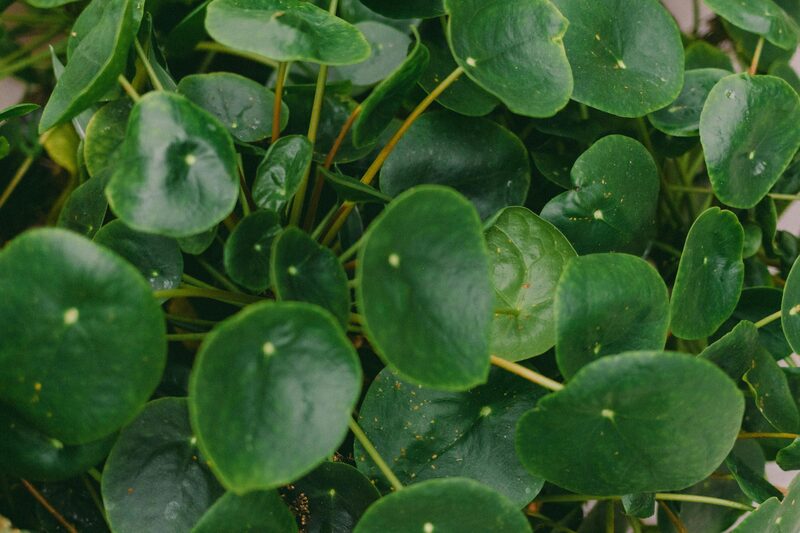
My first pilea came from a colleague who had divided the pups from her mother plant so many times she was running out of friends to give them to. That small three-inch offset, barely rooted in a 2-inch nursery pot, is now a four-year-old mother plant that has produced fourteen pups of its own. What I didn't know when I received that first pup was how specific Pilea peperomioides care is. Not difficult, exactly, but unforgiving of a few particular mistakes that most guides gloss over. This is the routine I've refined over four years and the exact conditions that seem to maximize pup production.
Light: The Variable That Controls Everything Else
Pilea peperomioides is more light-dependent than its reputation as a "beginner plant" suggests. In genuinely bright indirect light, within three feet of an east- or south-facing window, the leaves are compact, deeply green, and nearly perfectly round. Move the plant more than five feet from a window and the petioles (leaf stems) stretch dramatically toward the light source, the leaves become paler and slightly elongated, and pup production slows considerably. I've tested this directly: the same mother plant in a dim corner produced zero pups over six months, then produced three in the following eight weeks after being moved to a brighter east-facing sill.
Direct sun is the other edge of the problem. A south-facing window with no diffusion will bleach the round leaves and cause sunburn marks that don't reverse. My setup, a sheer curtain on a south-facing window during summer, no curtain on an east-facing window year-round, keeps the light in the sweet spot. Rotating the plant a quarter turn every five to seven days is not optional with pilea: this is one of the most phototropic houseplants I grow, and an unrotated plant will develop a distinctly lopsided canopy within weeks.
Watering and Soil: Getting the Balance Right
Pilea peperomioides is a succulent-adjacent plant, its round, thick leaves store water, which means the plant tolerates some drought but is very sensitive to chronic overwatering. I water when the top inch of soil is dry, which in a 6-inch terracotta pot in summer lands on roughly every seven to ten days. In winter, that stretches to every fourteen to twenty-one days. The symptom of overwatering, yellowing lower leaves with soft, mushy bases, tends to appear gradually, which is what makes it insidious. A yellow leaf at the base of the plant is the first signal to hold watering and reassess soil moisture.
The soil mix matters considerably. Standard dense potting mix holds too much moisture for pilea's root system. I use two parts well-draining potting mix to one part perlite, which drains fast enough to prevent the soggy conditions that cause root rot while still retaining enough moisture between waterings. According to University of Minnesota Extension's houseplant care guidance, fast-draining soil is the single most important substrate factor for preventing root rot in container-grown tropical houseplants, and pilea's small, shallow root system makes it particularly vulnerable to a mix that stays wet too long.
Getting Pups: The Exact Conditions That Trigger Offset Production
Pilea peperomioides produces offsets (pups) from its root system, and occasionally from the stem below the soil line. These small plants emerge as tiny disc-like leaves pushing up through the surface of the soil, often appearing several inches away from the mother plant's base, connected by a horizontal root. The three conditions that I've found most reliably maximize pup production: bright light (as discussed above), a slightly root-bound pot, and consistent watering during the growing season. Plants in oversized pots with excessive soil moisture seem to channel energy into root development rather than offset production.
Once a pup reaches two to three inches tall, it has developed enough root mass to be separated successfully. I use a clean, narrow-bladed knife to trace down through the soil alongside the pup, find the connecting root, and sever it cleanly about an inch from the pup's base. The separated pup goes directly into moist potting mix in a 2-inch pot and is kept in bright indirect light with slightly more frequent misting for the first two weeks while it establishes. Survival rate using this method has been nearly 100% for pups over two inches tall. For a broader guide to plant propagation techniques, propagating plants from cuttings covers the principles that apply across many houseplant species. And if you enjoy propagating pups, the spider plant care and propagation guide covers a similarly prolific producer with excellent pup separation tips. According to Gardening Know How's Pilea resources, waiting until pups are at least one-third the height of the mother plant before separation dramatically improves establishment success.
Fertilizing, Repotting, and Keeping the Mother Plant Healthy
I fertilize monthly from April through September with a balanced liquid fertilizer at half strength, applied after watering to avoid root burn. In winter, I stop entirely. Over-fertilizing pilea is a real risk: too much nitrogen produces lush, rapid growth but makes the leaf petioles longer and the leaves slightly less perfectly round, essentially stretching the aesthetic quality that makes this plant desirable.
Repotting timing is a balance between supporting healthy root growth and maintaining the slightly root-bound state that encourages pup production. I repot when roots are emerging from drainage holes or when the plant dries out noticeably faster than it used to, typically every two years for my mother plant. Going up just one pot size each time (4 to 6 inch, 6 to 8 inch) prevents the excess-soil problem that suppresses pup production. Missouri Botanical Garden's container plant resources confirm that sizing up gradually rather than dramatically is best practice for maintaining healthy root-to-soil ratios in fast-growing houseplants.
Common Mistakes
- Not rotating the plant: Pilea grows aggressively toward its light source. Without weekly rotation, the canopy becomes lopsided and some leaves lose access to adequate light entirely.
- Overwatering: Thick leaves store moisture and the plant tolerates drought better than wetness. Always check the top inch of soil before watering, not just the surface.
- Repotting into a pot that is too large: Excess soil stays wet too long and suppresses pup production. Size up gradually, and accept a slightly root-bound state as normal and beneficial.
- Separating pups too early: Pups under two inches have insufficient root development to survive transplanting reliably. Wait until they reach two to three inches before separation.
- Placing in low light and expecting pups: Pup production is directly linked to the plant's overall energy levels. Low-light specimens rarely produce offsets and grow slowly.
- Fertilizing in winter: The plant's growth slows significantly in low light and cool temperatures. Applied fertilizer sits in the soil as salt deposits rather than being absorbed, causing root tip damage over time.
Quick Reference Care Table
| Factor | Ideal Condition | Notes |
|---|---|---|
| Light | Bright indirect, within 3 ft of window | Rotate weekly; direct sun scorches leaves |
| Water | When top inch of soil is dry | Every 7-10 days in summer; 14-21 days in winter |
| Soil | Well-draining; 2 parts potting mix, 1 part perlite | Avoid dense moisture-retaining mixes |
| Humidity | 40-60% | Tolerates average household levels well |
| Temperature | 60-80°F (15-27°C) | Avoid cold drafts; no frost tolerance |
| Fertilizer | Half-strength balanced liquid, monthly | April through September only |
| Repotting | Every 2 years | Go up one pot size; slight root-binding encourages pups |
Frequently Asked Questions
Why is my Pilea peperomioides not producing any pups?
The three most common reasons for absent pup production are insufficient light, an oversized pot, and the plant being too young. Pileas under one year old rarely produce offsets, the mother plant needs to reach a certain maturity first. If yours is mature and well-established, move it to a brighter location and check whether the pot is appropriately sized. A plant in a pot just large enough for its root ball almost always produces more offsets than one with abundant soil space.
Why are my Pilea leaves pale or yellow-green instead of deep green?
Pale, washed-out leaf color almost always means either too much direct sun (which bleaches the chlorophyll) or too little light overall (which reduces chlorophyll production). Check the light source and intensity first. If the plant is in appropriate indirect light and still showing pale growth, a nitrogen deficiency from infrequent fertilizing is the next thing to address. Feed once at half strength and observe new growth over the following four to six weeks.
Can I grow Pilea peperomioides from a leaf cutting?
No, unlike many houseplants, pilea cannot be propagated from a single leaf or leaf with petiole. The plant requires either a stem cutting with a node or, much more reliably, a separated pup with its own root section. If your pilea is too young to have produced pups yet and you want more plants, take a stem cutting that includes at least one node, let the cut end dry for 30 minutes, and place it in moist perlite under a humidity dome for four to six weeks.
After four years and fourteen pups, pilea remains one of the most satisfying plants in my collection, not despite its quirkiness but because of it. Once you find the right light, the right pot size, and a soil-first watering routine, this plant practically takes care of itself and rewards you generously. If you want help with your exact setup, send the plant name, light, pot size, and recent watering notes through the contact page.

About the Author
Written by Sage Avery, a plant care writer at Plant Companion Guide. For how we create and update content, see our editorial policy.