Rubber Plant (Ficus elastica) Care: My 4-Year Journey From 12" to Ceiling-High
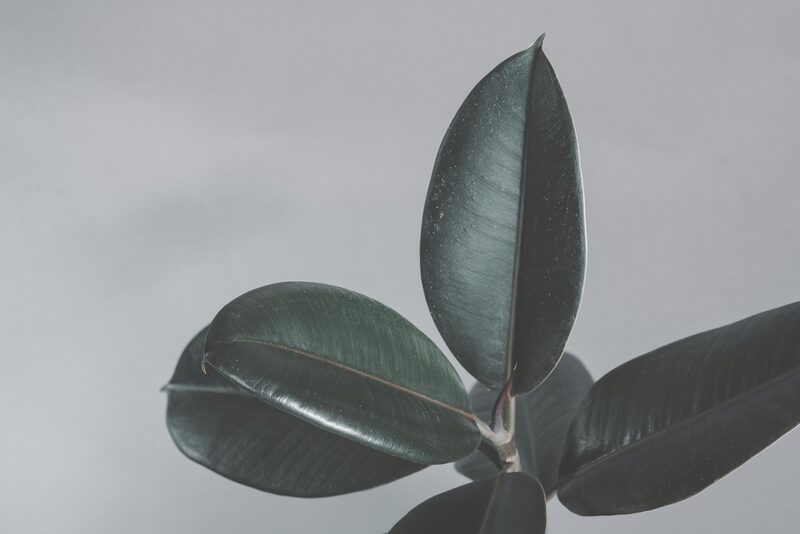
Four years ago I bought a 12-inch rooted cutting of Ficus elastica 'Burgundy' at a plant swap, one stem, four leaves, and roots barely established in a 4-inch nursery pot. Today that plant grazes my nine-foot ceiling, has eleven lateral branches, and generates enough cuttings each summer that I've given away dozens of propagated starts to friends. The growth rate surprised even me. But it didn't happen by accident, it happened because I figured out early that rubber plants are not as low-maintenance as they're marketed, and that a few specific care decisions drive dramatically faster growth than a casual approach would produce.
Light: Why Direction Matters More Than Intensity
Rubber plants tolerate a wide range of light conditions, from bright indirect down to medium light, but there is a substantial difference between tolerating a condition and thriving in it. My 'Burgundy' grew fastest and produced the richest dark-burgundy coloration when positioned about four feet from a south-facing window with no obstruction. That position delivers several hours of bright indirect light plus some filtered direct sun in winter, which is the sweet spot for fast growth without leaf scorch.
What I've learned from testing different cultivars: the variegated types, 'Tineke' (cream and green), 'Ruby' (pink, green, and cream), and 'Shivereana' (dusty rose and gray), need more light than the dark-leaved 'Burgundy' and 'Abidjan' to maintain their variegation. A variegated rubber plant in medium light will slowly revert to solid green as the lower-light leaves prioritize chlorophyll production. If you're growing a variegated cultivar, a spot within three feet of an east- or south-facing window is the minimum for color retention.
One practical note: rubber plants drop leaves when moved to a significantly different light environment. I learned this during my second apartment move, when I lost six leaves in two weeks. Acclimate gradually by staging the plant at its intended location for a week before fully committing, and expect some adjustment drop regardless.
Watering: The Leaf-Firmness Check That Replaced My Calendar
Rubber plants have large, leathery leaves that signal their hydration status clearly if you know what to look for. A well-hydrated leaf feels firm and slightly stiff when you gently bend it. A leaf that bends easily or feels slightly limp before showing any visible drooping means the plant is approaching drought stress. I check leaf firmness during every inspection rather than following a fixed schedule, and this single habit has virtually eliminated both overwatering and underwatering problems.
In general, I water when the top two inches of soil are dry, which in summer in a 10-inch terra cotta pot means roughly every seven to ten days, and in winter closer to every twelve to sixteen days. I water deeply each time until runoff flows from the drainage holes, then empty the saucer. Ficus elastica roots in standing water rot surprisingly quickly for a plant that otherwise looks robust.
Tap water quality has been a minor issue for me, the fluoride in my municipal supply caused occasional brown spots on leaf margins before I switched to filtered water. If you notice brown marginal spotting that doesn't correspond to underwatering or sun damage, filtered or rainwater is worth trying for a month. According to Missouri Botanical Garden's indoor plant resources, fluoride sensitivity is common across the Ficus genus and is more pronounced in plants receiving high light levels.
Soil, Pot Choice, and the Repotting Rhythm That Drove Fast Growth
The single greatest accelerator of my rubber plant's growth rate was timely repotting. I repotted from a 4-inch to a 6-inch pot six months after purchase, then to an 8-inch at fourteen months, and to a 10-inch at twenty-four months. Each repotting triggered a visible burst of new growth within four to six weeks, the plant reliably pushed two to three new leaves immediately after settling into a larger container, which makes sense when you understand that root space directly limits canopy expansion in container plants.
I use a well-draining mix: two parts standard potting soil, one part perlite, and a handful of coarse sand. This keeps the soil from compacting over time in a large pot and ensures the fast drainage that Ficus elastica requires. For the full process, the guide to how to repot a houseplant step by step walks through everything including root inspection and aftercare. I always choose pots with at least two drainage holes, single-hole pots don't drain fast enough in larger sizes.
On pet safety: Ficus elastica is toxic to cats and dogs according to the ASPCA's toxic plant database. The milky white latex sap is the primary irritant, it can cause oral irritation, drooling, and gastrointestinal upset in pets and skin irritation or mild allergic reaction in humans with latex sensitivity. I always wear disposable gloves when pruning.
Pruning, Propagating, and Making the Plant Branch
Left unpruned, a rubber plant grows straight up with a single central leader and very few lateral branches. To create a bushier, multi-branched plant, you need to prune the apical (top) growth, which forces the plant to redirect energy into lateral buds. I made my first cut at around eighteen inches tall, a clean cut just above a leaf node using sterilized pruning shears. Within three weeks, two new stems had emerged from buds just below the cut.
The cuttings from that pruning became my propagation stock. Each 4-6 inch cutting with at least two nodes can be rooted in water (changing it weekly) or directly in moist perlite under a humidity dome. Roots typically appear in three to five weeks. I let cuttings air-dry for 30 minutes after making the cut before placing them in water, this allows the latex sap to form a thin seal, which I've found reduces rot at the cut end. If you're also managing a Monstera or other large tropical, the Monstera deliciosa care guide covers similar pruning-for-branching principles that translate well across the large-leaf tropical category. According to Clemson University's Home and Garden Information Center, regular light pruning is one of the most effective practices for maintaining compact, well-branched form in fast-growing indoor Ficus species.
Common Mistakes
- Watering on a fixed calendar: Rubber plants in different pot sizes, soil mixes, and light levels need water at very different intervals. Leaf firmness and soil depth checks are more reliable than any schedule.
- Never pruning the apical tip: An unpruned rubber plant grows tall and single-stemmed. One pruning cut above a node triggers branching and produces a far more attractive, full plant.
- Keeping the plant in the same small pot indefinitely: Timely repotting, every twelve to twenty-four months for young plants, is the biggest driver of fast growth. Root restriction slows the plant dramatically.
- Moving the plant suddenly: Ficus elastica drops leaves in response to abrupt environmental change. Acclimate gradually and choose a permanent spot.
- Wiping leaves with chemical cleaners: Rubber plant leaves accumulate dust that blocks light absorption. Wipe them monthly with a damp cloth only, no leaf-shine sprays, which clog trichomes.
- Handling the sap without gloves: The latex sap is a skin and mucous membrane irritant. Wear gloves when pruning, especially if you have any latex sensitivity.
Quick Reference Care Table
| Factor | Ideal Condition | Notes |
|---|---|---|
| Light | Bright indirect, 4-6 hrs/day | Variegated types need more light to hold color |
| Water | When top 2 inches of soil are dry | Every 7-16 days depending on season and pot size |
| Soil | Well-draining; 2 parts potting mix, 1 part perlite | Avoid moisture-retaining dense mixes |
| Humidity | 40-60% | Tolerates typical household levels; appreciates higher |
| Temperature | 60-85°F (15-30°C) | Avoid cold drafts; keep above 55°F at night |
| Fertilizer | Balanced liquid, monthly at half strength | March through September only |
| Repotting | Every 1-2 years for young plants | Up one pot size only; triggers growth surge |
Frequently Asked Questions
Why is my rubber plant dropping leaves?
Leaf drop in Ficus elastica is almost always triggered by environmental stress, a sudden move to a different light level, a temperature draft, overwatering, or root disturbance from repotting. If the drop happens after a recent change, give the plant four to six weeks to settle before concluding something is wrong. If the drop is ongoing with no obvious cause, check the roots for rot and the soil for chronic moisture, those are the two non-stress causes worth investigating.
How fast does a rubber plant grow indoors?
In ideal conditions, bright indirect light, timely repotting, and regular fertilizing during the growing season, a rubber plant can grow twelve to twenty-four inches per year. In lower light or a root-bound pot, growth slows to just a few inches annually. The most reliable growth accelerators in my experience are increasing light intensity, sizing up the pot before the plant looks root-bound, and fertilizing consistently from March through September.
Can I keep a rubber plant in a low-light room?
It will survive in medium-light conditions but will grow slowly and the foliage color will fade, burgundy varieties lose their rich depth, and variegated types revert toward solid green. True low-light situations (no natural window light) are not suitable for long-term rubber plant health. If your space is genuinely dim, a full-spectrum LED grow light on a twelve-hour timer positioned twelve to eighteen inches above the canopy is a reliable substitute during winter months.
Four years in, my rubber plant is still one of the most satisfying plants I've grown, fast-moving, dramatic, and genuinely responsive to good care. If yours is stuck in a rut, the fix is usually simpler than it seems: more light, a bigger pot, and a watering routine based on the soil rather than the calendar. If you want help with your exact setup, send the plant name, light, pot size, and recent watering notes through the contact page.

About the Author
Written by Sage Avery, a plant care writer at Plant Companion Guide. For how we create and update content, see our editorial policy.