Indoor Vegetable Garden: What Grows Well Under Lights
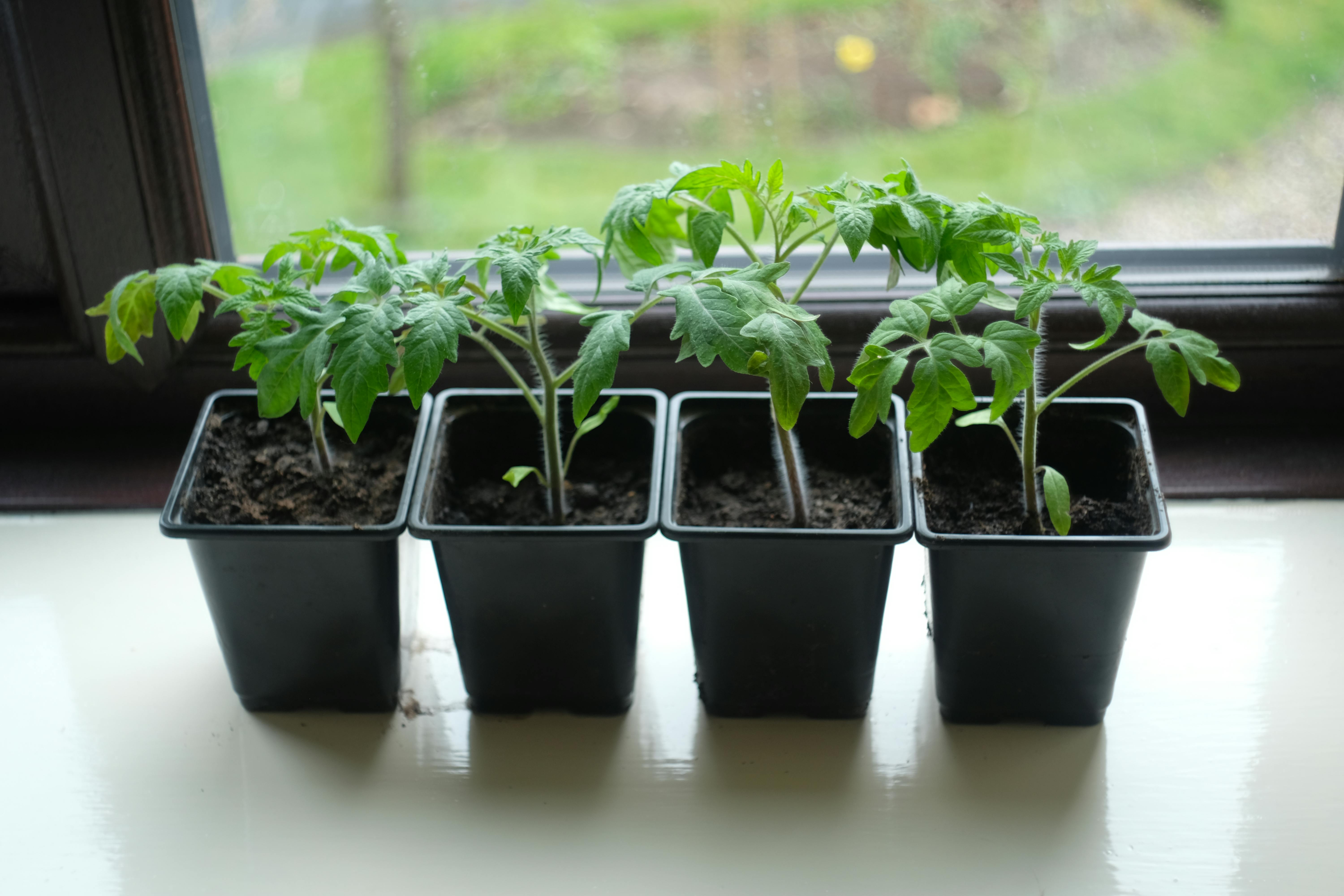
Growing food indoors under artificial lights is more practical than it was even five years ago. LED grow lights have improved dramatically in efficiency, intensity, and affordability, and there are now genuine options for growing meaningful quantities of food indoors without a dedicated greenhouse or expensive setup. The honest constraint is yield: an indoor garden under lights will never produce what a summer outdoor garden does, but it can reliably provide fresh salad greens, herbs, and some fruiting crops year-round.
What Grow Lights Actually Deliver
Modern full-spectrum LED grow lights designed for plants (not just "plant lights" sold in hardware stores, which are often inadequate) produce light in the wavelengths plants use most — primarily red and blue — while also providing the full spectrum needed for normal plant development. The metric that matters is PPFD (photosynthetic photon flux density, measured in μmol/m²/s). Leafy greens need roughly 100–200 PPFD for good growth; fruiting crops like tomatoes and peppers need 400–600 or more. Grow light packaging and manufacturer specifications have become better at listing these numbers, which makes comparison shopping easier.
Light duration also matters: most food plants grow best with 14–16 hours of light per day under grow lights, since they're not receiving any supplemental outdoor light. Put lights on a timer to maintain consistent schedules and avoid the fatigue of manual switching.
Best Crops for Indoor Growing Under Lights
Lettuce and leafy greens are the most practical indoor crops. They grow quickly (harvestable in 30–45 days), don't need high light intensity, and can be harvested continuously by cutting outer leaves rather than pulling entire plants. Varieties bred for indoor or container growing — Tom Thumb lettuce, Little Gem, most baby green mixes — do particularly well. Spinach, arugula, and Asian greens (bok choy, tatsoi, mizuna) follow the same pattern.
Herbs are perhaps the most cost-effective indoor crop because fresh herbs are expensive to buy and used in small quantities. Basil, parsley, chives, cilantro, and mint all grow well under lights. Basil needs more light intensity than other culinary herbs (aim for at least 200 PPFD). Woody herbs like rosemary and thyme prefer bright conditions and dry-down periods between waterings — they're possible indoors but less productive than under outdoor conditions.
Radishes complete their cycle in 25–30 days and don't need more than 10–15 cm of soil depth — ideal for shallow containers under lights. They're one of the few root vegetables that works practically indoors. Beets and carrots need more depth and more time but are possible in deep containers.
Cherry tomatoes and peppers require significant light (400+ PPFD), hand pollination (no insects indoors), and patience, but are achievable. Compact varieties bred for containers — Tiny Tim tomato, Micro Tom, or any "balcony" tomato variety — suit indoor conditions better than standard garden varieties. Peppers (especially compact hot pepper varieties) often do better than tomatoes indoors because they tolerate slightly lower light and are more forgiving of irregular watering.
Containers and Growing Medium
Most indoor food gardens grow in containers rather than in-ground systems. Lettuce and herbs work well in shallow containers (10–15 cm deep), while tomatoes and peppers need 20–30 cm minimum. Lightweight, fabric grow bags are popular for indoor food gardens — they improve drainage and air pruning of roots, and are easy to fold and store when not in use. For growing medium, a peat-free potting mix with added perlite drains well and won't become waterlogged. Hydroponic systems (kratky method, ebb and flow) bypass soil entirely and can produce remarkably fast results, particularly for lettuce and herbs.
Fertilizing Indoor Food Gardens
Food plants grown under lights in containers need more fertilizer than ornamental houseplants. Begin with a quality potting mix that includes some slow-release fertilizer, then supplement with liquid fertilizer every one to two weeks once plants are established. For leafy greens, a nitrogen-rich liquid fertilizer (fish emulsion, liquid seaweed, or balanced synthetic liquid) supports rapid leaf growth. For fruiting crops, switch to a low-nitrogen, higher phosphorus and potassium fertilizer once flowers form to support fruit set rather than excessive leaf growth.
About the Author
Sage Avery is a passionate gardener and plant enthusiast sharing tips for a greener life.