Jade Plant Care: How to Grow and Maintain
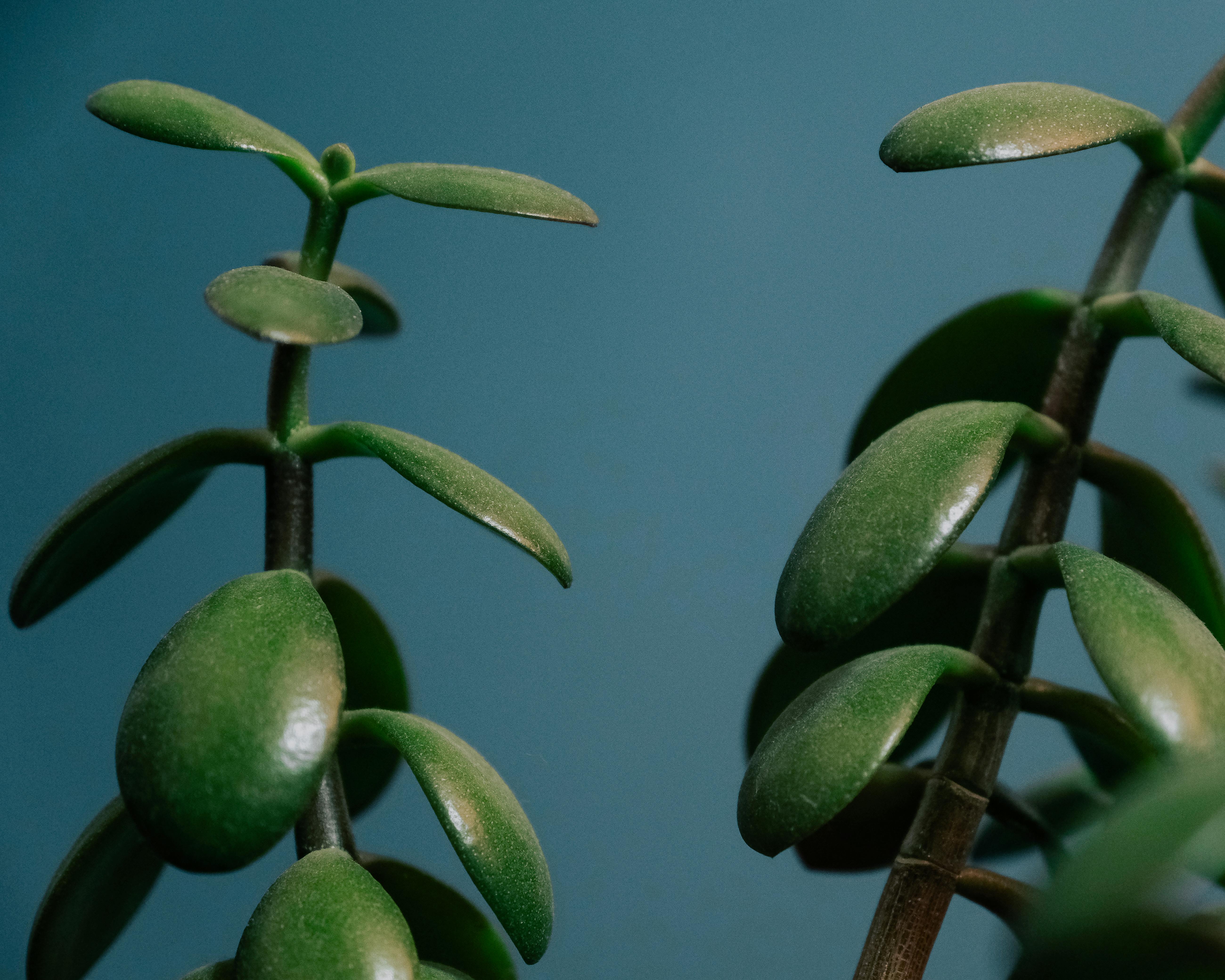
The Prosperity Plant: Cultivating a Long-Lived Jade
My Crassula ovata is over a decade old, passed down from a friend. This succulent symbol of good luck can live for generations with proper care, developing a thick, woody trunk that resembles a miniature tree.
Care Requirements for a Sturdy Jade
- Light: Requires full, direct sun (4+ hours daily) to thrive and maintain compact growth. A south-facing window is ideal. Without enough light, it becomes leggy and weak.
- Water: Water deeply only when the soil is completely dry throughout the pot. In winter, water very sparingly (every 3-4 weeks). Leaves will become slightly soft and wrinkled when thirsty. Overwatering causes leaf drop and root rot.
- Soil: A gritty, fast-draining cactus/succulent mix is essential. I use 2 parts potting soil, 1 part coarse sand, 1 part perlite.
- Temperature: Prefers average room temperatures (65-75°F) but appreciates a cooler (55°F) rest period in winter to encourage spring blooming in mature plants.
- Fertilizer: Feed lightly during the growing season (spring/summer) with a balanced, diluted fertilizer once every 2-3 months.
Pruning and Shaping for a Bushy Tree
To encourage a bushy, tree-like form, prune back leggy stems in spring/summer. Make cuts just above a leaf node (where leaves emerge). New branches will sprout from this point. You can also pinch off new growth tips to promote branching.
Propagation from a Single Leaf
Jade plants propagate incredibly easily. Gently twist off a healthy, plump leaf, let it callous over for a few days, then place it on top of dry succulent soil. Mist occasionally. Tiny roots and a new plantlet will form at the base in a few weeks.
Toxicity: Jade Plants are toxic to cats and dogs, causing vomiting and depression if ingested.

About the Author
Written by Sage Avery, a plant care writer at Plant Companion Guide. For how we create and update content, see our editorial policy.