Jade Plant Care: Light, Water, and Soil Tips for a Thriving Succulent
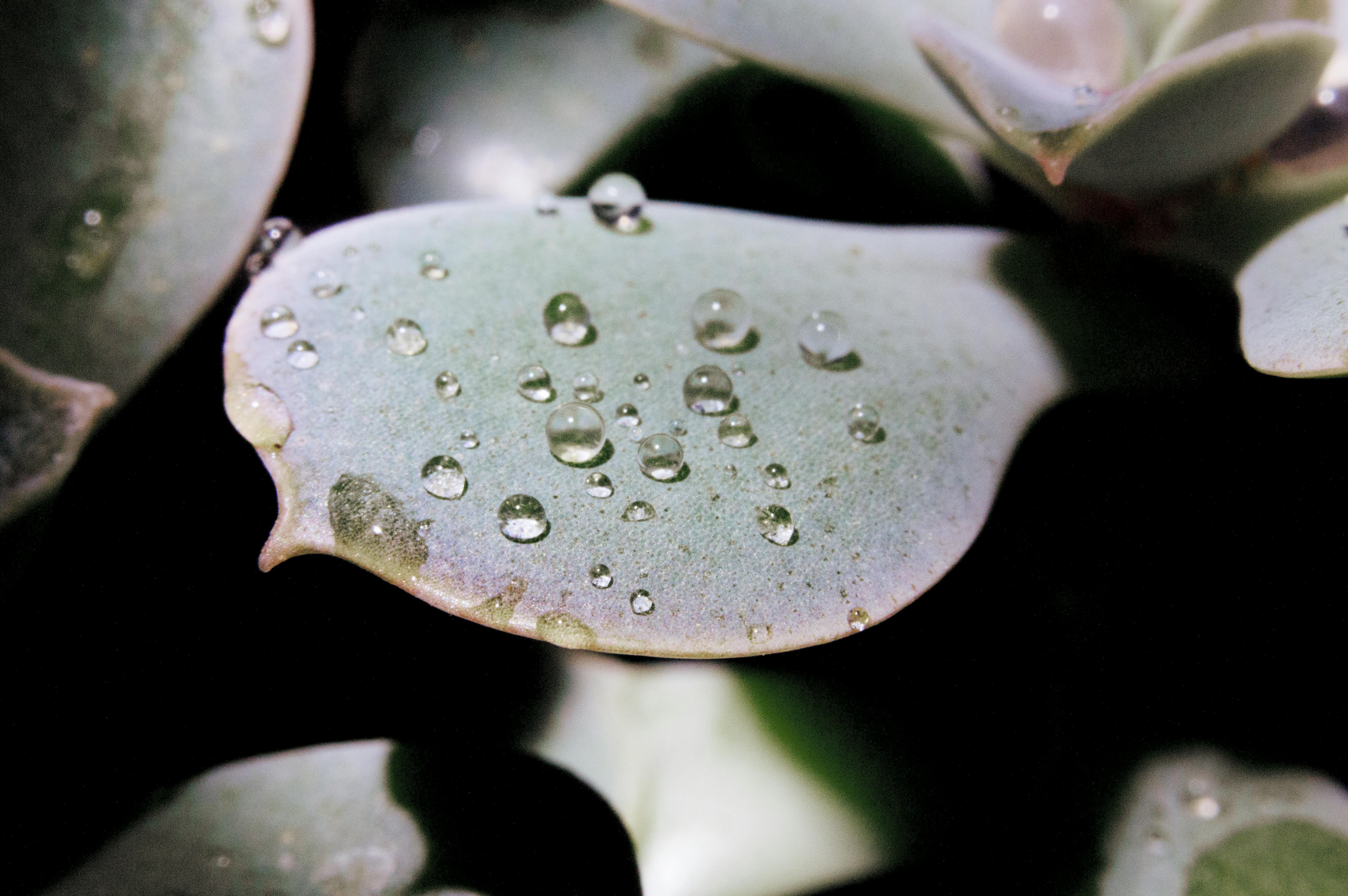
My jade plant survived three years of near-total neglect on a sunny kitchen windowsill before I nearly killed it with kindness. When I decided to "get serious" about plant care, I started watering it on the same schedule as my tropical houseplants — every week, regardless of soil moisture — and within two months the plump, coin-like leaves were soft and yellowing, the stems turning mushy near the base. Root rot had set in. After an emergency repotting, some aggressive root trimming, and a few weeks of completely dry recovery time, the plant bounced back. That experience taught me more about jade plant care than any guide ever could: these plants are survivors, but they have one non-negotiable requirement — they absolutely cannot tolerate consistently wet soil.
What Kind of Plant Is a Jade Plant?
Crassula ovata, commonly called the jade plant or money tree (not to be confused with Pachira aquatica), is a succulent native to South Africa and Mozambique. It belongs to the Crassulaceae family and stores water in its thick, oval leaves and woody stems — which is exactly why overwatering is so devastating. The plant is incredibly long-lived; well-cared-for jade plants can survive for decades and eventually grow into substantial, tree-like specimens two to three feet tall indoors.
Named cultivars worth knowing include 'Gollum' and 'Hobbit' (with tubular, finger-like leaves), 'Tricolor' (variegated green and cream with pink margins in high light), and 'Hummel's Sunset' (yellow and red tones in the leaf margins when stressed by cool temperatures or bright light). All share the same basic care requirements. According to the Missouri Botanical Garden's plant care resources, Crassula ovata is one of the most widely grown succulents in North America precisely because it adapts well to the dry, warm conditions common to most indoor environments.
Light Requirements: As Much Sun as You Can Give It
Jade plants need significantly more light than most houseplant guides suggest. The sweet spot is four or more hours of direct sun daily — a south- or west-facing windowsill is ideal for most North American homes. My jade plant lives on a south-facing windowsill in USDA Zone 6b and receives direct sun from mid-morning through early afternoon, supplemented with bright indirect light for the rest of the day. The leaves have a faint reddish blush at the tips — a sign of just the right amount of light stress — and the growth is compact and robust.
In lower light, jade plants grow slowly and become leggy, with widely spaced leaves and stems that can barely support themselves. The plant will survive in medium indirect light but will not thrive. If you only have north-facing windows, a grow light is worth the investment — place it 6–12 inches above the plant and run it for 12–14 hours daily.
Outdoor Summer Growing
In USDA Zones 4–9, jade plants benefit enormously from spending summers outdoors on a sunny deck or patio. Introduce them to outdoor sun gradually — one to two hours more direct light per day over two weeks — to avoid sunburn on leaves that have adapted to indoor light levels. Bring them back inside when nighttime temperatures drop below 50°F in fall.
Watering: The Succulent Rhythm That Prevents Root Rot
Jade plants should be watered deeply and infrequently. The method that works consistently for me: water thoroughly until water runs from the drainage holes, then do not water again until the soil is bone dry — not just surface dry, but dry all the way through. In summer with good sun, that might be every ten to fourteen days. In winter with reduced light, it can stretch to every three to four weeks, or even longer.
The absolute most important rule: use a pot with a drainage hole, and never let the plant sit in water. Jade plant roots store oxygen between waterings, and soil that stays saturated for more than a week begins to suffocate and rot them. The Old Farmer's Almanac's plant growing guides describe jade plants as drought-tolerant specimens that should always be given less water than you think they need — a principle I've found to be consistently true in practice.
Soil and Potting: Drainage Is Non-Negotiable
Jade plants need a fast-draining soil mix that dries out quickly. Commercial cactus and succulent mixes are a decent starting point, but I find most store-bought versions still retain too much moisture. My standard formula: two parts cactus mix plus one part coarse perlite plus one part coarse sand or fine gravel. This produces a mix that drains immediately and dries within a week even in a large pot.
The pot material matters too. Terracotta is my strong preference for jade plants because the porous walls wick moisture away from the soil, accelerating the dry-down cycle. Plastic and glazed ceramic retain moisture longer — they work fine, but you'll need to water even less frequently. Always choose a pot that's only slightly larger than the root ball; jade plants in oversized pots sit in wet soil far longer than their roots can handle. Gardening Know How's succulent and houseplant guides offer additional detail on matching pot type and size to watering habits for drought-adapted plants.
Fertilize sparingly — once in spring and once in midsummer with a balanced, diluted liquid fertilizer at quarter strength. Jade plants are light feeders and do not need or benefit from frequent fertilization. For tips on how to propagate succulents from leaf and stem cuttings, our guide walks through the jade plant propagation process step by step.
Common Mistakes with Jade Plant Care
- Watering too frequently: This is the single most common cause of jade plant death. When in doubt, wait another week before watering.
- Using standard potting soil without amendment: Peat-based mixes retain too much moisture for jade plants. Always add perlite or coarse sand.
- Low light placement: Without adequate sun, jade plants grow leggy and weak. A bright windowsill or grow light is essential.
- Cold drafts in winter: Temperatures below 50°F cause leaf spotting and drop. Keep jade plants away from cold windowsills in USDA Zones 4–7 during winter.
- Overfertilizing: Excess fertilizer causes weak, floppy growth and root burn. Fertilize no more than twice annually at very diluted rates.
Quick Reference Care Table
| Care Factor | Requirement |
|---|---|
| Light | 4+ hours of direct sun; south- or west-facing windowsill preferred |
| Water | When soil is completely dry throughout; every 10–14 days in summer, 3–4 weeks in winter |
| Soil | Cactus mix + perlite + coarse sand; fast-draining essential |
| Pot Type | Terracotta with drainage holes strongly preferred |
| Humidity | Low to moderate; average indoor humidity is fine; avoid high-humidity rooms |
| Temperature | 65–75°F (18–24°C); keep above 50°F at all times |
| Fertilizer | Balanced liquid at quarter strength, twice per year (spring and midsummer only) |
| Outdoor USDA Zones | Zones 10–12 (perennial outdoors); Zones 4–9 as summer patio plant |
Frequently Asked Questions
Why are my jade plant leaves shriveling or wrinkling?
Shriveled, wrinkled leaves that feel soft and deflated almost always indicate underwatering or root damage. Give the plant a thorough watering and check the roots — if they're healthy (firm and pale), the plant should recover within a few days as the leaves plump back up. If the roots are dark and mushy, you're dealing with root rot: trim affected roots, let the root ball dry for several days, and repot in fresh, dry succulent mix.
Can jade plants grow outdoors year-round in most of the US?
Jade plants can grow outdoors year-round only in USDA Zones 10–12, where frost is rare or absent. In all other zones, they're treated as container plants that can summer outdoors but must come inside before the first frost. In Zones 9b, some gardeners overwinter jade plants in sheltered spots against south-facing walls, but this is risky and variety-dependent.
How long does it take for a jade plant to start looking like a small tree?
With good light and appropriate watering, a jade plant develops a visible trunk and tree-like structure within three to five years. Growth rate is slow compared to tropical houseplants — typically two to four inches per year indoors — but the upside is that they're remarkably long-lived. Some jade plants have been in family collections for thirty or forty years.
Jade plants are among the most rewarding plants you can grow indoors — slow, stately, virtually indestructible when you respect their watering needs, and capable of becoming genuine heirlooms over time. If you're building a succulent collection, browse our guide to the best succulents for beginners for companion plants that thrive in the same bright, dry conditions. And if your jade plant has a story — a dramatic rescue, a decades-long journey, or a new bloom for the first time — share it in the comments. We read every one.

About the Author
Written by Sage Avery, a plant care writer at Plant Companion Guide. For how we create and update content, see our editorial policy.