Know When Plants Need Water
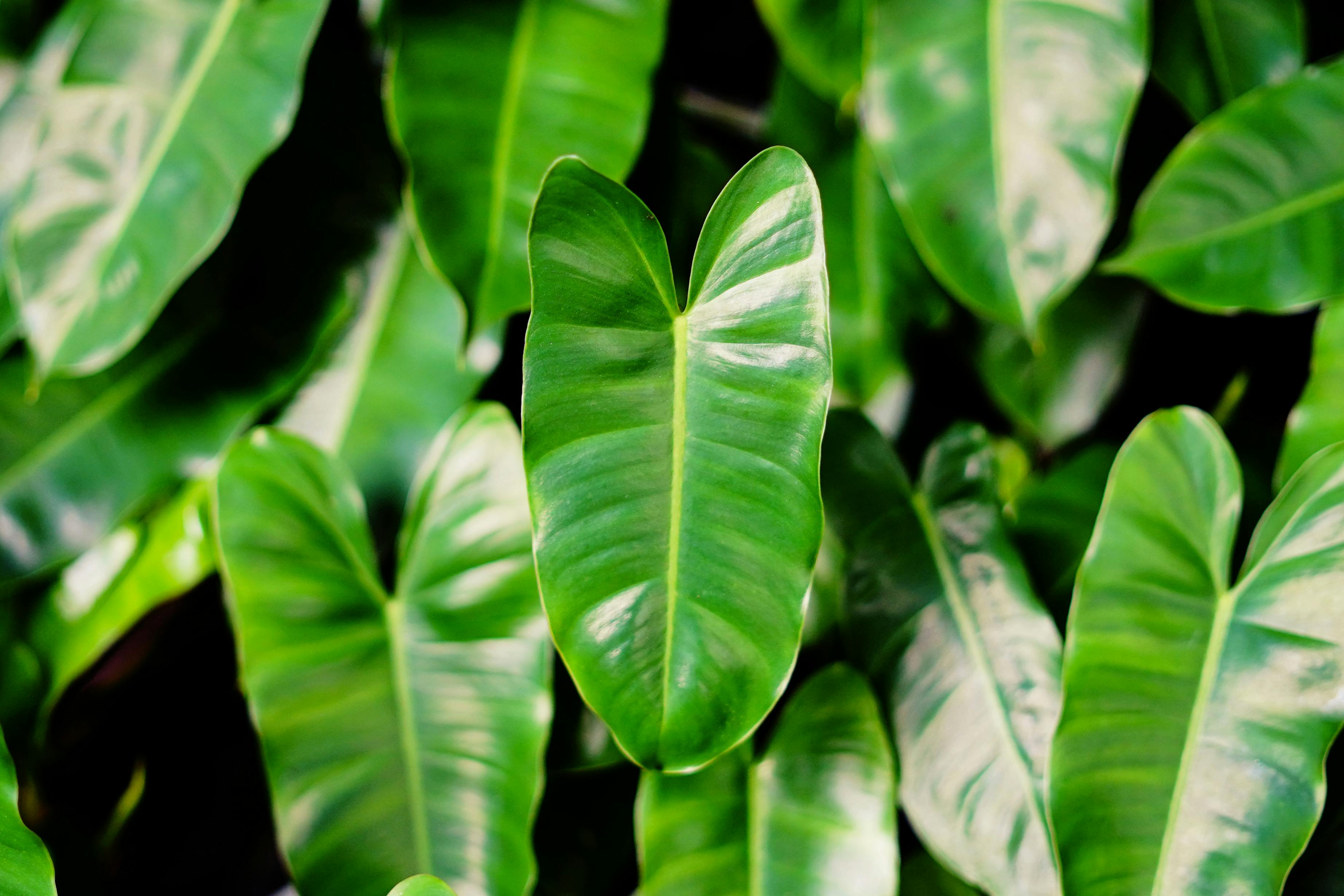
I used to water by vibes. My pothos forgave me, my snake plant did not, and my succulents turned to mush. Learning how to tell if your plant needs water came down to three quick checks that work in real homes—especially in winter when light drops across USDA zones 4–7.
How to Tell If Your Plant Needs Water: 3 Checks That Actually Work
These checks work because they measure what matters: moisture in the root zone and how quickly your setup dries. I still “check often,” but I water only when the plant passes at least two of these tests.
Check #1: the lift test (my favorite)
Lift the pot right after watering to learn “heavy.” Days later, lift again. When it feels noticeably lighter, it’s getting close. This test works across plant types and pot materials.
Check #2: depth test (finger or skewer)
I don’t trust the surface. For small pots, I check 1–2 inches down. For larger pots, I use a wooden skewer halfway down and look for dampness. If you want a simpler watering rhythm for beginner plants, see pothos watering schedule.
Check #3: leaf cues (plant-specific, not universal)
Peace lilies droop when thirsty, but droop can also mean wet roots. Succulents wrinkle when truly dry. Snake plants get slightly less rigid when thirsty, but mushy bases are usually overwatering. For broader plant-care concepts like reading stress cues, I often start with the Royal Horticultural Society and then apply it to the plant in front of me.
Make the checks easier with better soil
Dense soil hides moisture and makes beginners overwater. A chunky mix helps you feel the difference between “slightly dry” and “wet at the bottom.” If you want a DIY blend, see houseplant soil mix recipe. For practical growing fundamentals shaped by environment and season, cooperative extension resources like University of Minnesota Extension are a helpful baseline.
Seasonal note (why winter changes everything)
In winter, plants use less water because light is lower. If you also move plants outdoors seasonally, climate matters; use the USDA Plant Hardiness Zone Map to understand your region’s seasonal timing.
Common Mistakes
- Only checking the top half-inch of soil
- Watering because a single leaf droops
- Using one rule for every plant type
- Watering on a calendar
- Leaving pots sitting in water
- Ignoring season and light changes
Quick Reference Care Table
| Plant Type | Dryness Before Watering | Best Check | Extra Tip |
|---|---|---|---|
| Tropicals (pothos, philodendron) | Top 1–2 in. dry | Lift + depth | Bright indirect light helps |
| Drought-tolerant (snake, ZZ) | Halfway+ dry | Depth test | Err on the dry side |
| Succulents | Fully dry | Depth + leaf wrinkle | Gritty soil |
FAQ
Are moisture meters accurate?
Some are okay, but many are inconsistent. I treat them as a second opinion and still rely on the lift and depth tests.
What’s the best method for beginners?
The lift test. It teaches you how your specific pot and soil behave—something no generic schedule can do.
How often should I check my plants?
I check most plants 1–2 times a week. Checking doesn’t mean watering; it just keeps you from guessing.
Once you learn these three checks, watering becomes calmer and more accurate. Drop your plant type and pot size in the comments below, and I’ll tell you which check matters most for your setup.

About the Author
Written by Sage Avery, a plant care writer at Plant Companion Guide. For how we create and update content, see our editorial policy.